Lease a new vehicle, with no surprises at the end of the lease.
A payment for using the vehicle, not for owning it. Here's how it works, how it differs from financing, and when leasing an electric vehicle makes sense.
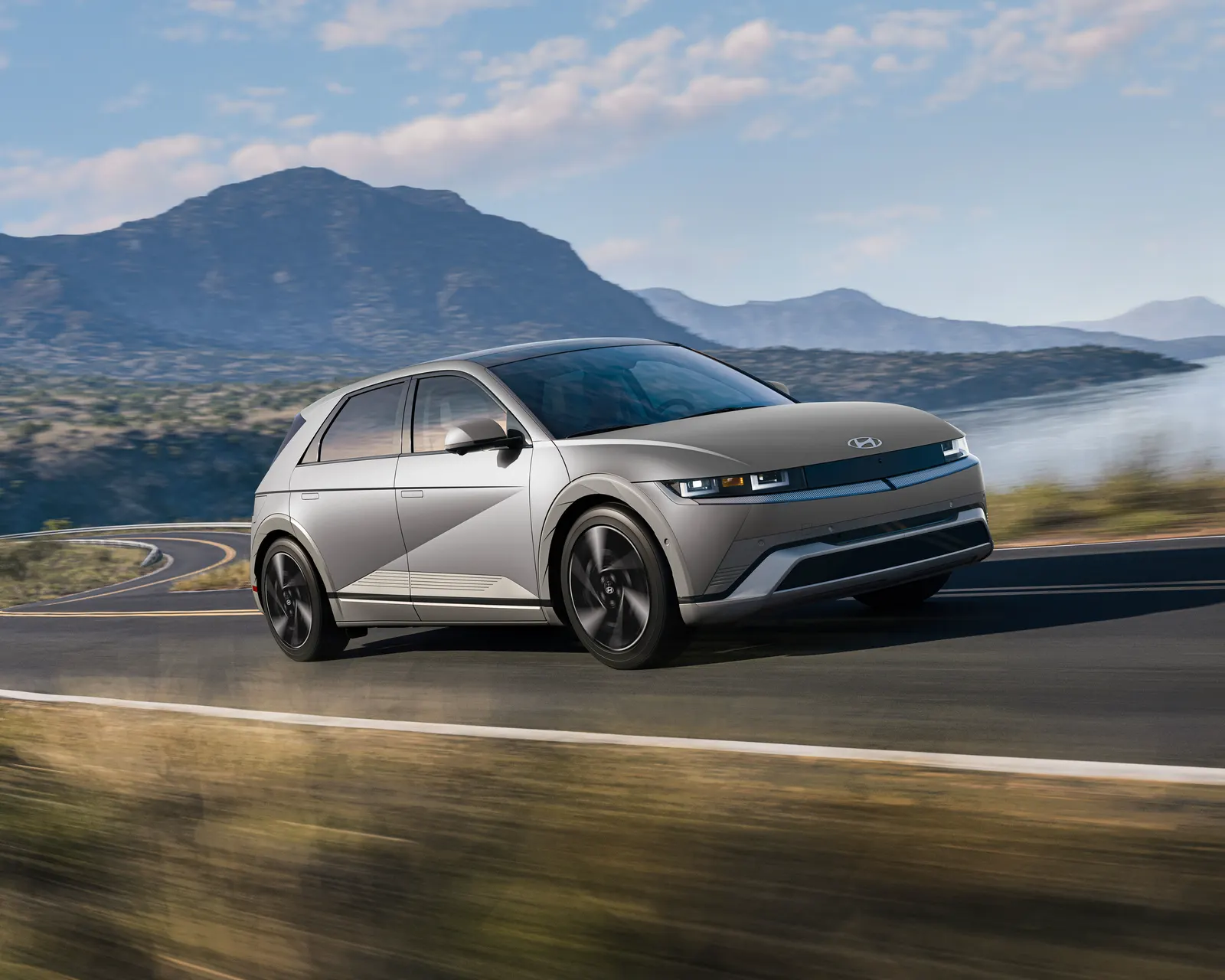
- New, any powertrain. Gas, hybrid, plug-in or electric, across the network's 9 brands.
- Your trade-in as a down payment. Describe your current vehicle online with no obligation. The offer is made at the dealership.
- Three options at the end of the lease. Return it, buy it out or move on to the next one.
A lease in three steps
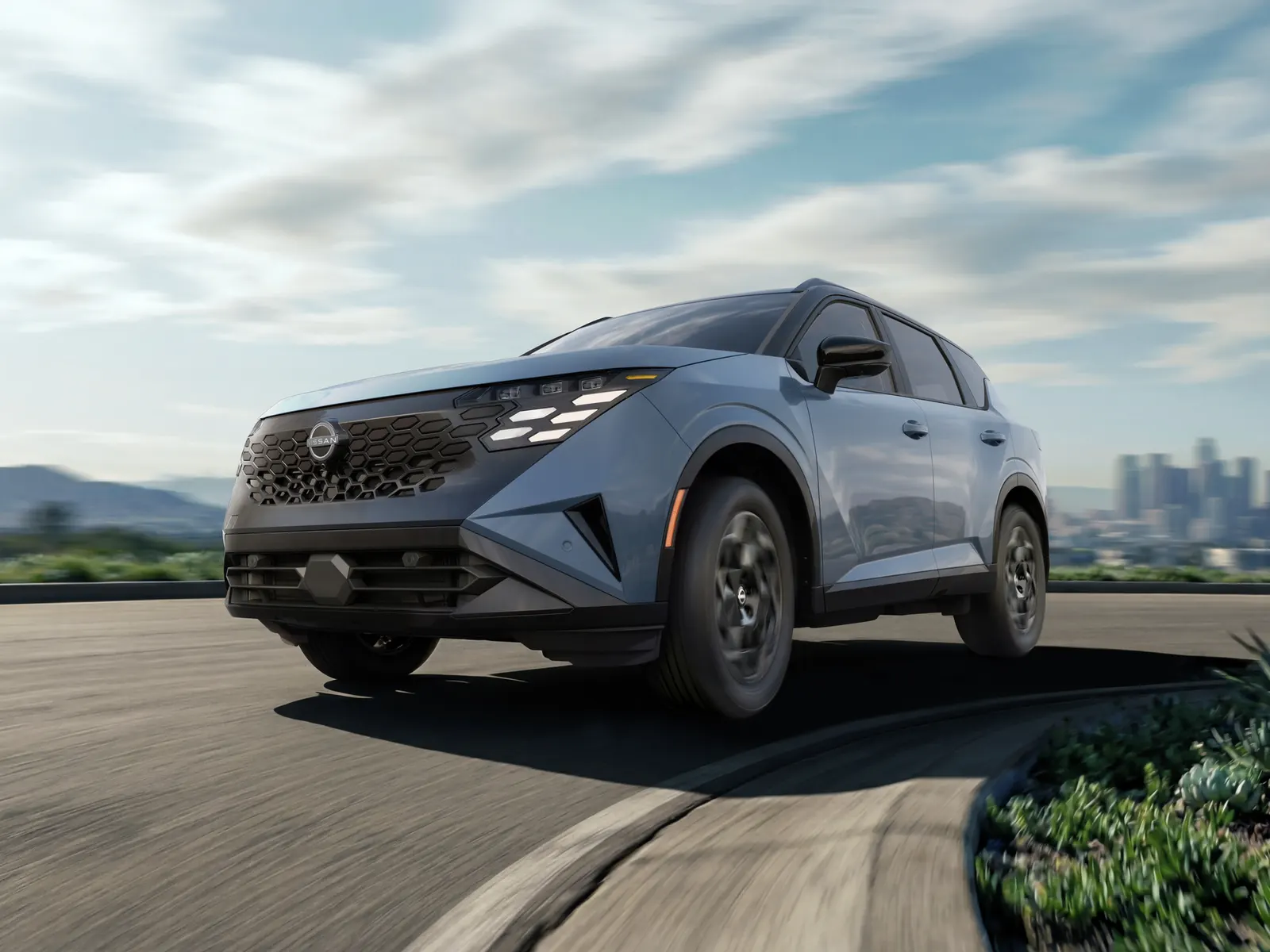
You choose the vehicle, the term and the mileage
The annual kilometre allowance is written into the contract. Choose it based on your real driving: it's what prevents bad surprises at return.
The dealership calculates the payment
It depends on the vehicle's price, the term, the mileage and the residual value set in the contract. Your trade-in can serve as a down payment.
At the end of the lease, you decide
You return the vehicle, buy it out at the amount set in the contract, or move on to a new vehicle.
What really changes
Both are done on site, with the same team. The right answer depends on your mileage and how long you keep a vehicle.
- The payment. With a lease, you pay for using the vehicle during the term, so the payment is generally lower than financing over the same term.
- Ownership. With financing, the vehicle is yours once it's paid off. With a lease, it's yours only if you buy it out.
- Mileage. A lease sets an annual allowance, and extra kilometres are paid at return. Financing has no limit.
- Do you keep your vehicles for ten years? Financing often makes more sense. Do you like to switch every three or four years? Leasing often does.

Why so many people lease their electric vehicle
Battery technology is moving fast. With a lease, the vehicle's value at the end of the term is set in the contract from the start, so you don't carry the uncertainty about its resale.
- The Roulez vert rebate. The Government of Quebec program also applies to long-term leases of an eligible new electric vehicle: in 2026, up to $2,000 for a fully electric vehicle. The lease must last at least 12 months; the full rebate requires 48 months or more, and a shorter lease earns a reduced rebate. The program ends on December 31, 2026. Source: Québec.ca, Roulez vert program pages, accessed October 4, 2026.
- Home charging. A 240-volt charging station changes everyday life, and it should be planned before delivery.
Lease offers change every month
Rates and payments come from the manufacturers and change without notice. Current offers are on the offers page, and the dealership prepares your exact quote.

Frequently asked questions about leasing
Can I lease a new electric vehicle?
Yes. New electric vehicles in the network can be leased like any other, and the terms come from the manufacturer and change from month to month. The dealership will go over the ones currently in effect.
What happens if I go over the planned mileage?
Kilometres beyond the allowance written in the contract are paid when you return the vehicle, at the rate set in the contract. If you drive a lot, choose a higher allowance from the start.
Can I buy out the vehicle at the end of the lease?
Yes, if your contract provides for it: the buyout amount is written into it from the moment you sign.
Can my current vehicle serve as a down payment?
Yes. Describe it online with no obligation. The dealership makes you an offer after seeing it, then explains how the trade-in fits into your lease.
Your lease quote
Two short steps. We send your message to the right team so they can get back to you.
Step 1 of 2
Describe your vehicle
Your chosen dealership will contact you to arrange a visit, then make an offer after seeing your vehicle.
Step 1 of 4