





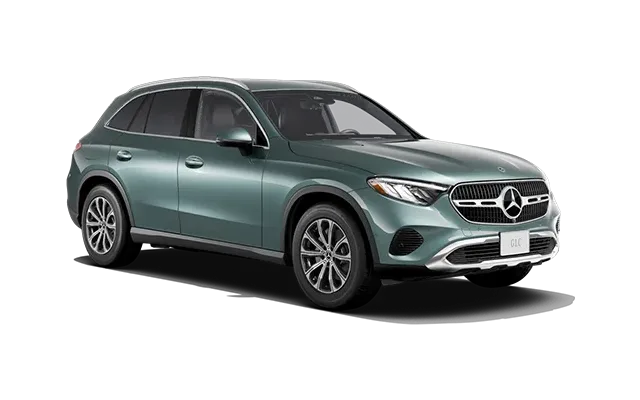
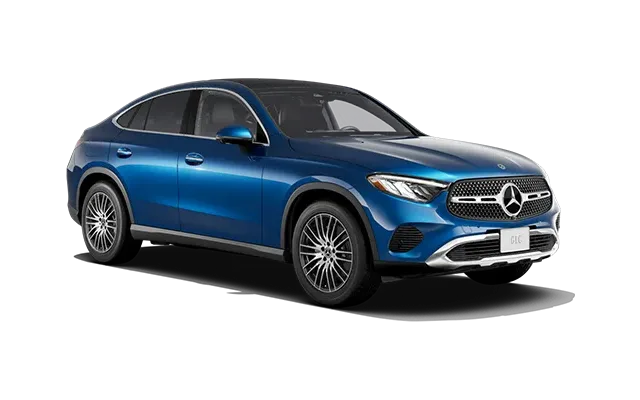
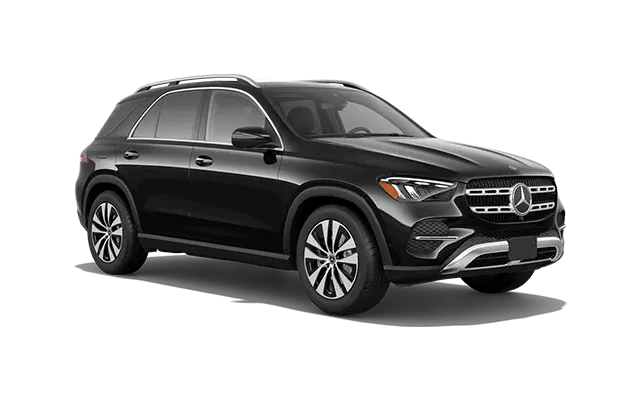
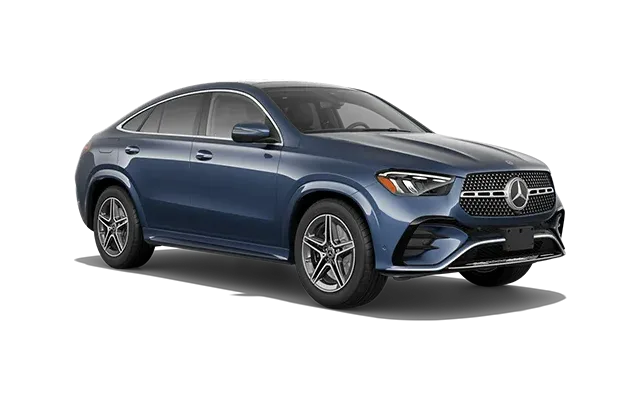
Hybrid driving, without plugging in.
“Hybrid” covers two different systems: a conventional hybrid, which can drive on electricity at times, and a 48 V mild hybrid, where electricity assists the engine without replacing it. Neither plugs in. Here is how to tell them apart, followed by the network’s models in clearly separated groups.
34 models and variants shown
Data verified on on network dealership pages — browse 101 models and variants.
No models match these filters.
Try a broader search, or clear your filters.
One model per brand
-
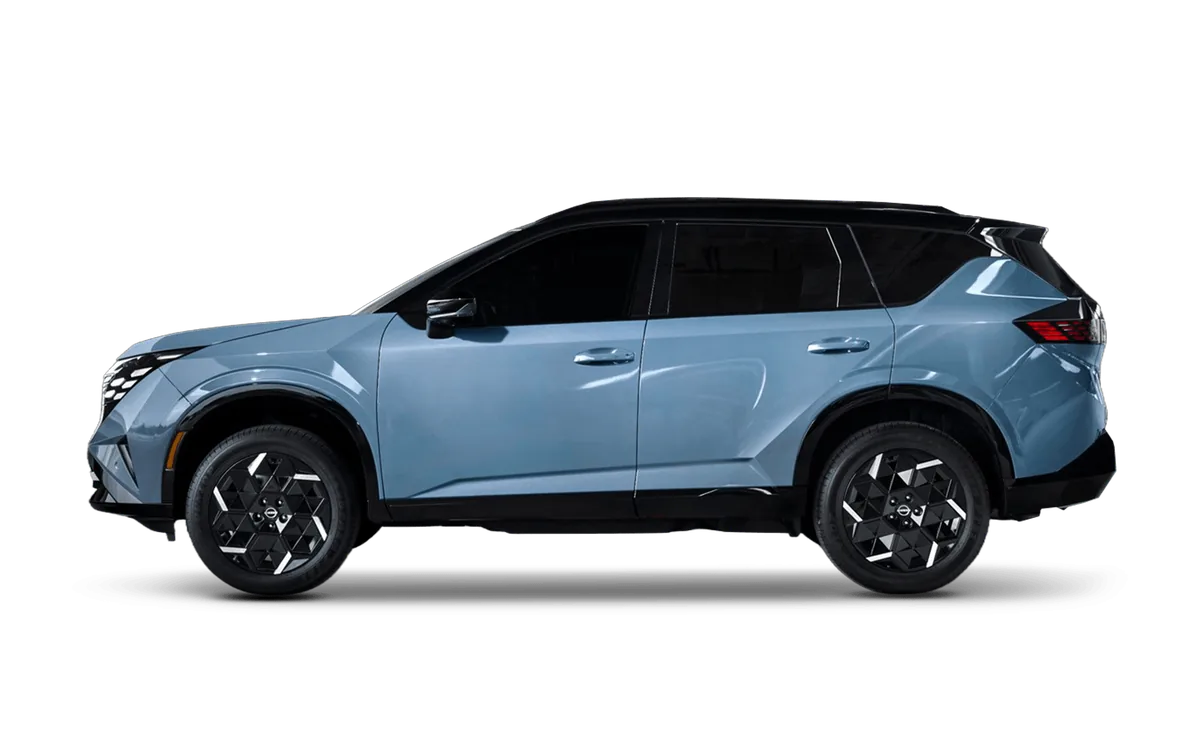
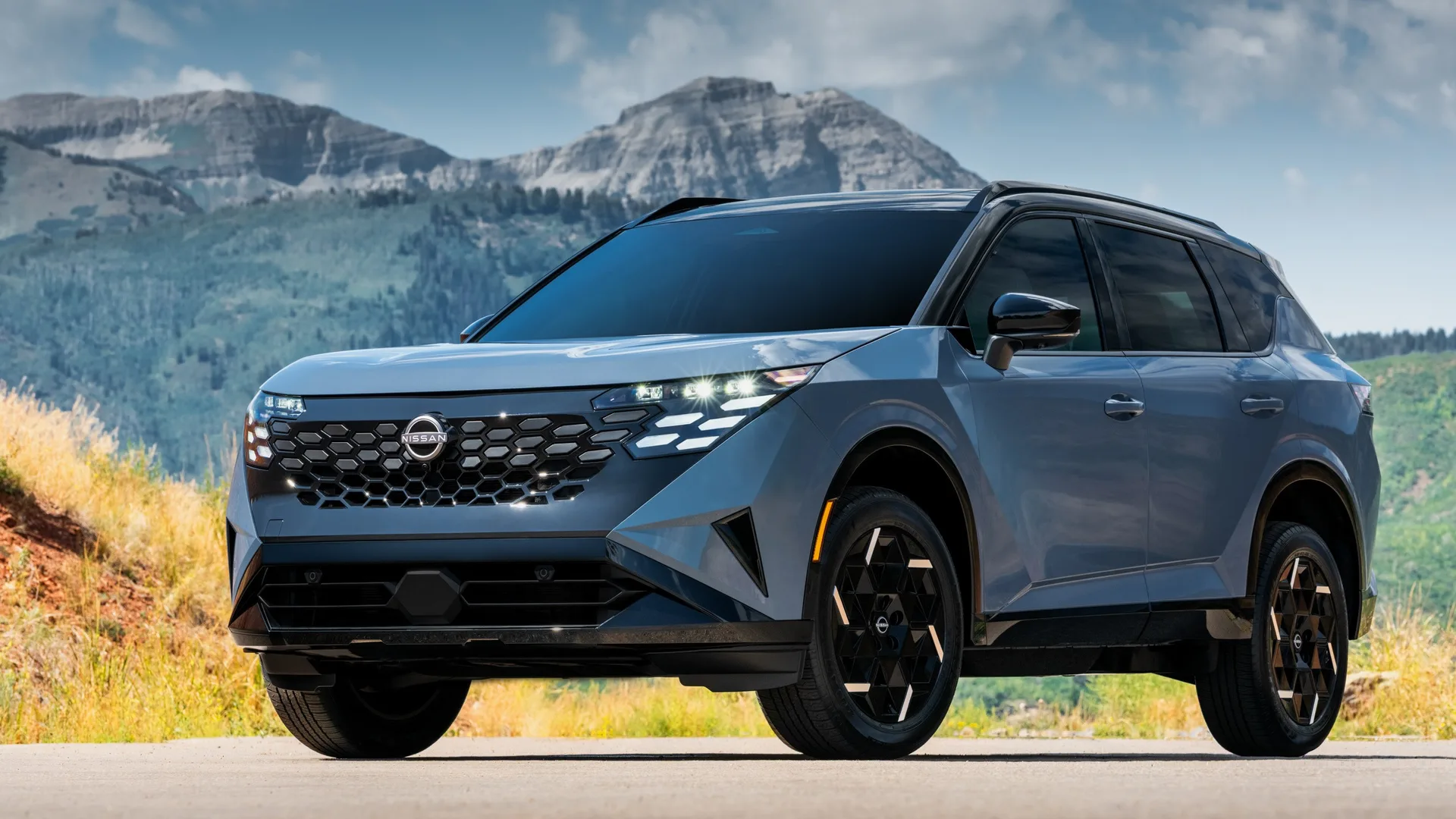
2027 Nissan Rogue Hybrid
HybridAll-wheel drive
-
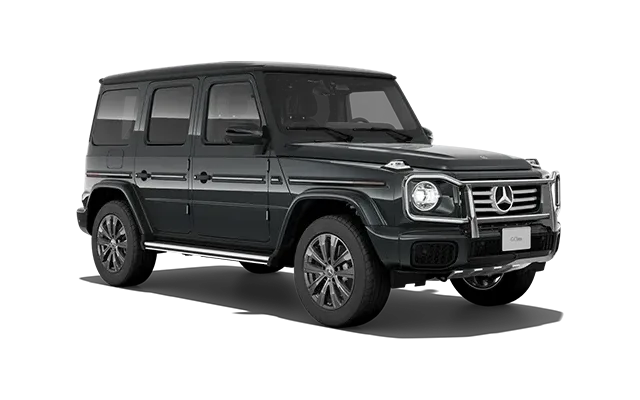
Mercedes-Benz G-Class
ElectricMild hybrid
Hybrids (HEV) 12
The vehicle switches between or combines gas and electricity, and can drive electrically at times. No external charging: the battery regenerates while driving and braking.
48 V mild hybrids (MHEV) 22
A 48-volt electrical system assists the gas engine for smoother starts, smoother stop-start operation and lower fuel consumption, but never propels the vehicle on its own. It does not plug in.
Data verified on on network dealership pages — browse 101 models and variants.

Two kinds of hybrid, two systems
A conventional hybrid (HEV) combines a gas engine and an electric motor that can work together or separately: in the city, the vehicle sometimes runs entirely on electricity. A mild hybrid (MHEV) instead adds a 48-volt electrical system that assists the gas engine without ever propelling the vehicle on its own.
The network’s 12 HEV models and its mild hybrids are shown in separate sections on this page so you can compare like with like.
No external charging
That is the appeal: nothing to plug in, ever. The battery regenerates while driving, mainly during braking and deceleration. You fill up with gas as usual; the electrical side takes care of itself.
If you would rather drive electrically day to day with gas as a backup, compare plug-in hybrids.
What 48 V actually does
A mild hybrid’s 48-volt system recovers energy during deceleration and feeds it back to assist the engine: smoother starts, nearly imperceptible stop-start operation and reduced demands on the engine when accelerating again. For some brands in the network, including recent European lineups, it has become standard on gas powertrains.
Keep in mind: 48 V refines the driving experience and reduces fuel consumption, but an MHEV is fundamentally an enhanced gas vehicle.
Benefits and limits for your driving
- City driving and heavy traffic: ideal for conventional hybrids, with frequent braking and electric mode often active.
- Long highway trips: the hybrid advantage narrows; mild hybrids mainly add smoothness and assistance when accelerating again.
- No change in habits: regular gas fill-ups, no cable and no charging station, for both systems.
- You want electric daily driving: look at plug-in hybrids or electric vehicles.
Our articles: hybrid
All news› 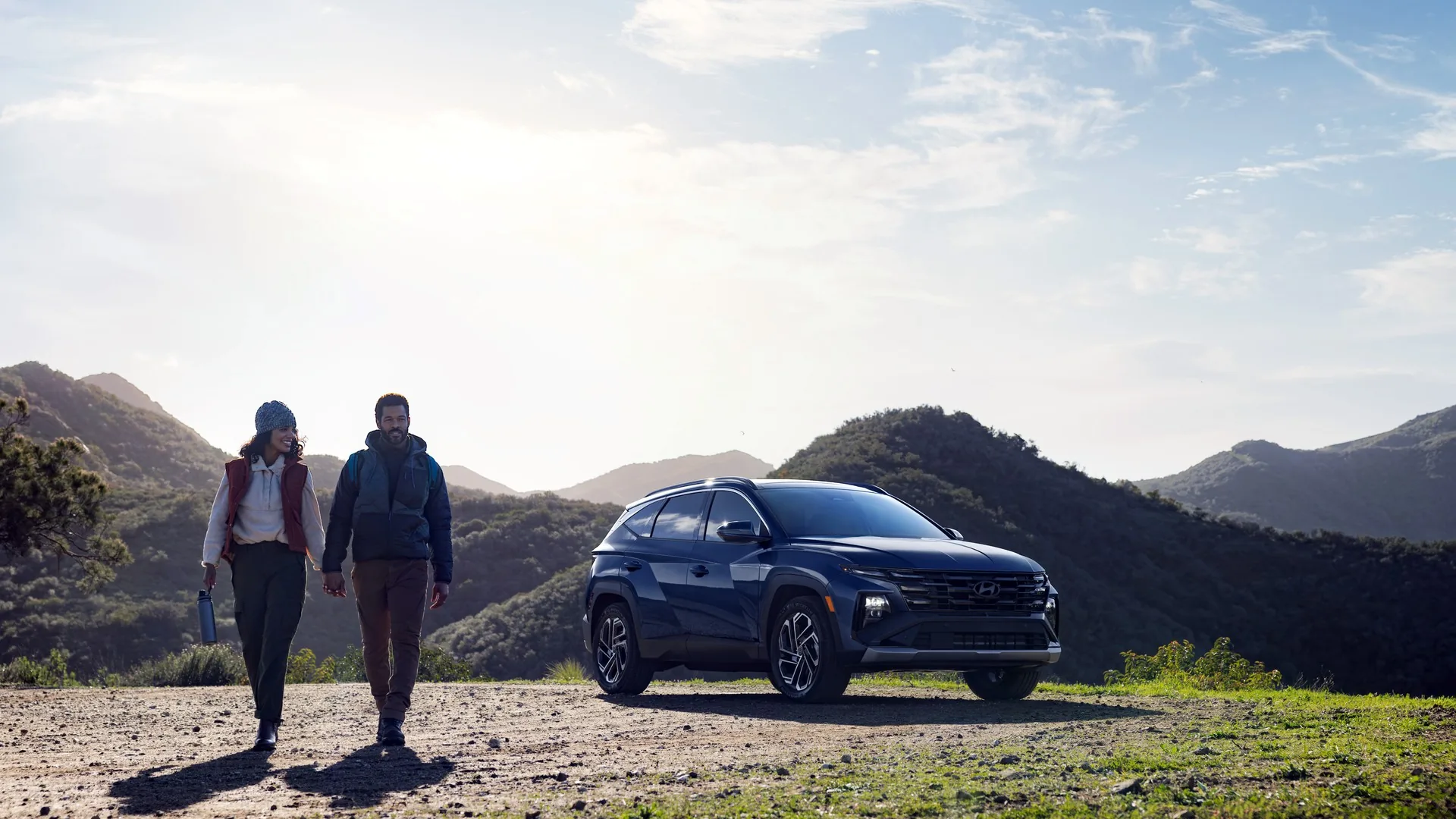
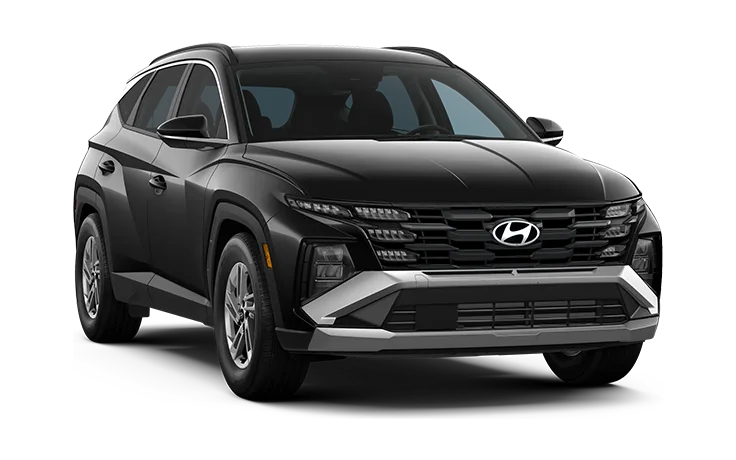
2026 Hyundai Tucson: gas, hybrid or plug-in hybrid?
The new 2026 Hyundai Tucson comes with three powertrains: gas, hybrid and plug-in hybrid. These are three different ways of paying for your driving, rather than three equipment levels. The right one depends less on your budget than on your daily drive. Here is what the official ratings say about each, and who each one is really for. Read the article ›
Seven-seat hybrids and plug-in hybrids: the 6 new models
Seven seats and less gas: six new vehicles in the Groupe Beaucage network fit that description in 2026, with two hybrids and four plug-in hybrids from six different brands. Here are their official fuel consumption figures, how far each drives on electricity, and why three other models often mistaken for seven-seaters are not. Read the article ›Frequently asked questions
Do I need to plug in a hybrid?
No. Neither conventional nor mild hybrids plug in: their batteries recharge while driving, particularly when braking. A plug-in hybrid is a different powertrain that plugs in to provide electric driving range.
What is the actual difference between a hybrid and a mild hybrid?
A conventional hybrid (HEV) can drive the vehicle on electricity at times, especially in the city. A mild hybrid (MHEV) uses a 48-volt system to assist the gas engine, for smoother starts and reduced demands on the engine, but never drives on electricity alone.
Does the 48 V system make a difference day to day?
Yes, subtly: quicker restarts at traffic lights, smoother transitions and assistance when accelerating again. It refines the gas engine more than it provides electric propulsion; do not expect trips in electric mode.
Does a hybrid suit my driving?
A conventional hybrid shines in city driving and heavy traffic, where braking regenerates the battery and electric mode is used most. On the highway, the gap with a modern gas engine narrows. The right choice depends on how much city driving you do; a test drive with our team can quickly help confirm it.
New 34 models and variants in the catalogue See new models ›
Used Used hybrid vehicles in the Occasion Beaucage network FR See used inventory FR ↗ Link to used inventory filtered by “Hybrid” — verified on 2026-08-17. The used vehicle filter does not distinguish mild hybrids.