






Plug-in hybrids: the best of both worlds.
A PHEV runs on electricity for everyday trips, then keeps going on gas when the road gets longer, on one condition: you plug it in regularly. Here is what makes it different, followed by the network’s models.
14 models and variants shown
Data verified on on network dealership pages — browse 101 models and variants.
No models match these filters.
Try a broader search, or clear your filters.
One model per brand
-
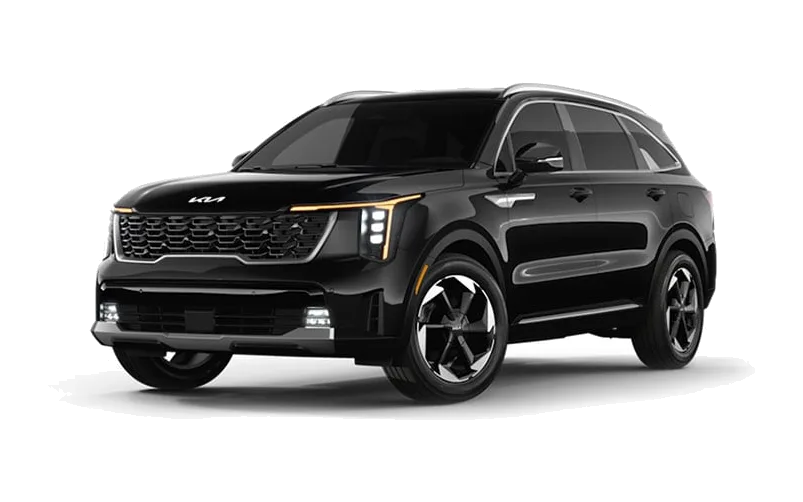
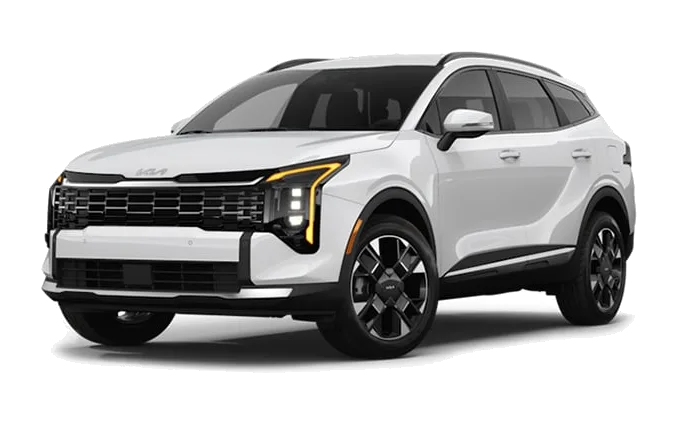
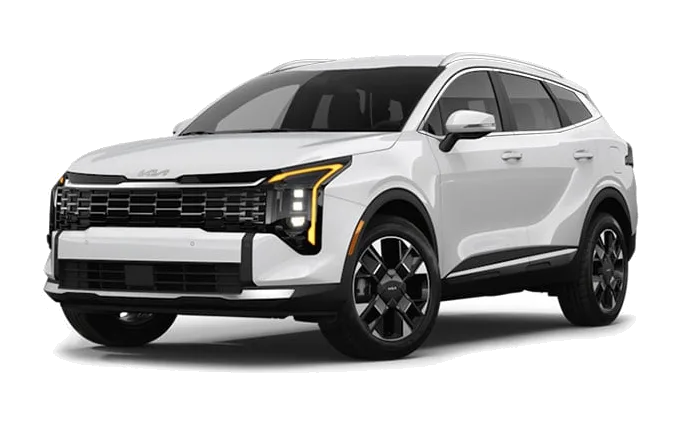
2026 Kia Sorento PHEV
Plug-in hybridAll-wheel drive
-
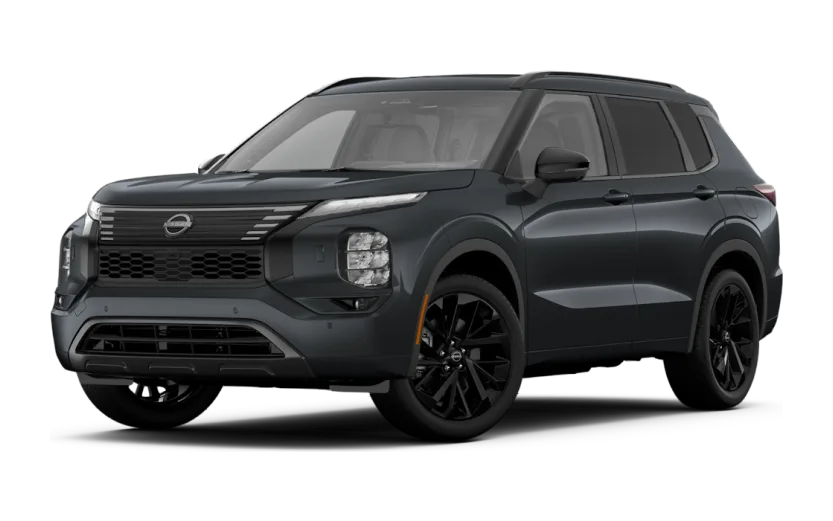
2026 Nissan Rogue Plug-in Hybrid
Plug-in hybridAll-wheel drive
-
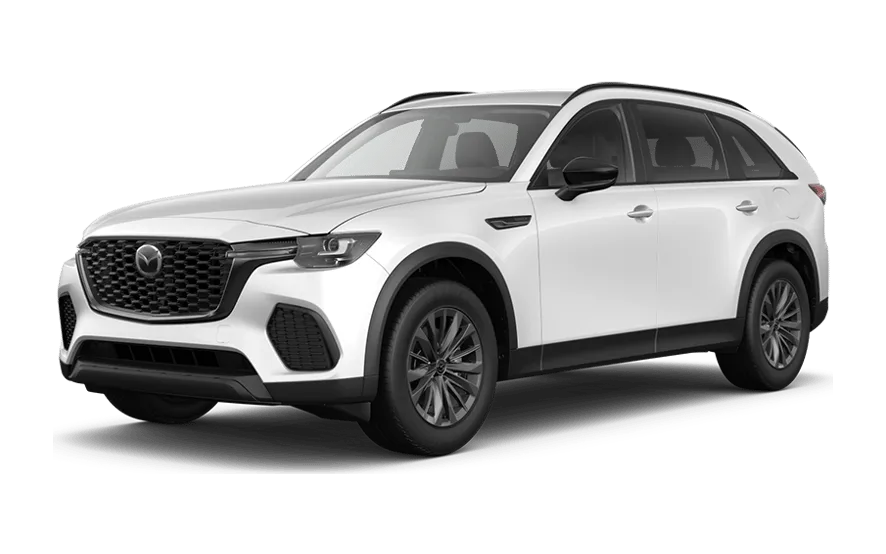
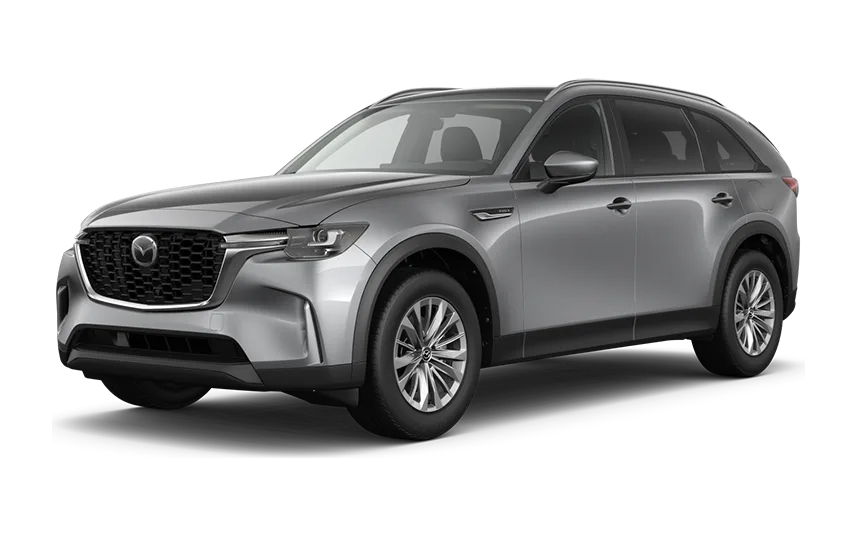
Mazda CX-70 PHEV
Plug-in hybridAll-wheel drive
-
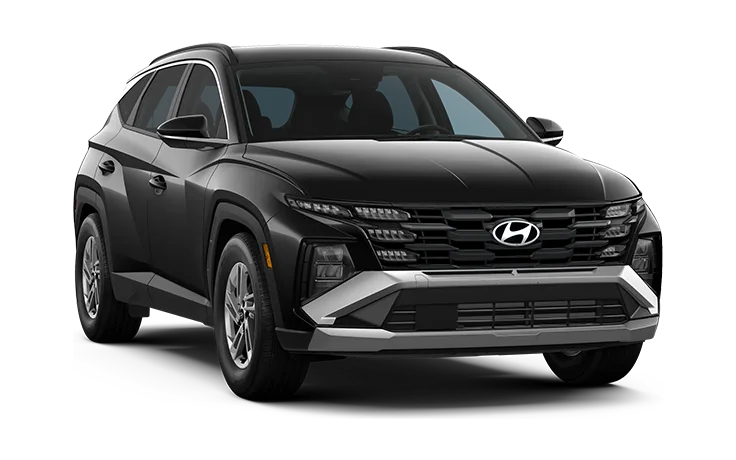
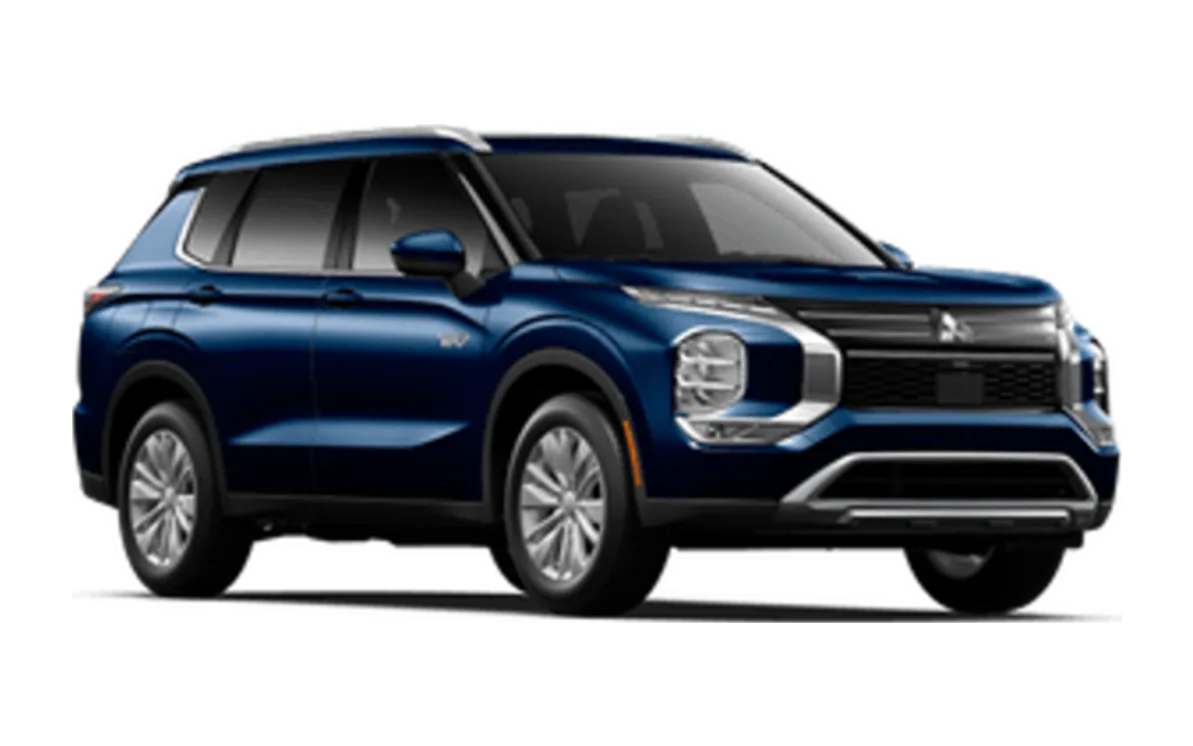
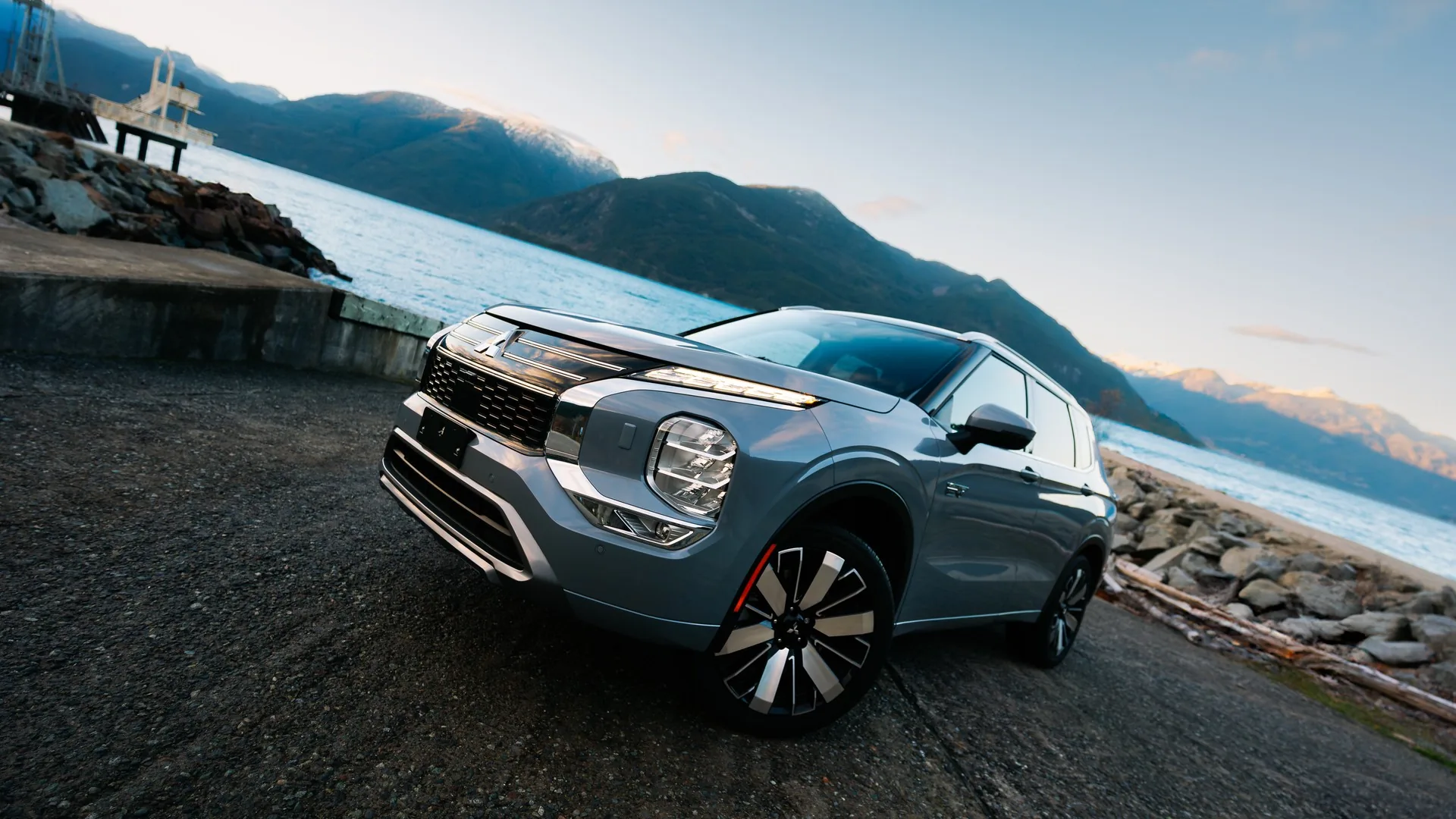
2026 Mitsubishi Outlander PHEV
Plug-in hybridS-AWC all-wheel drive
-
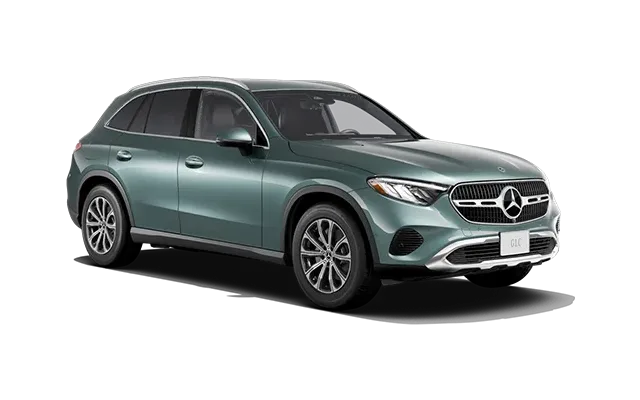
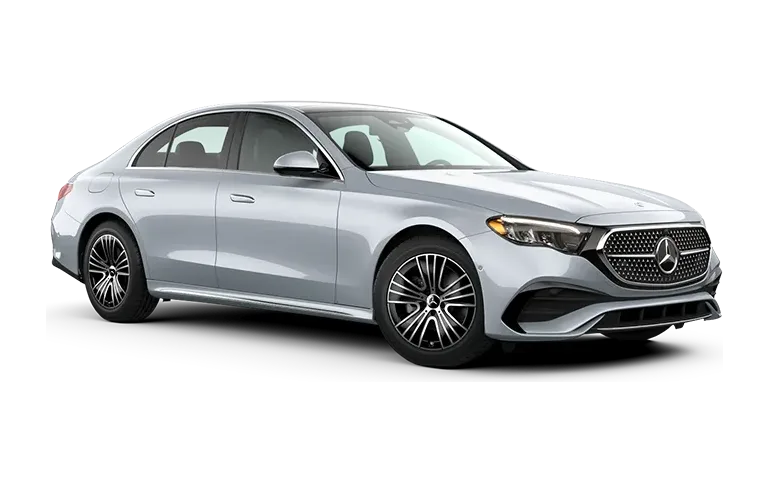
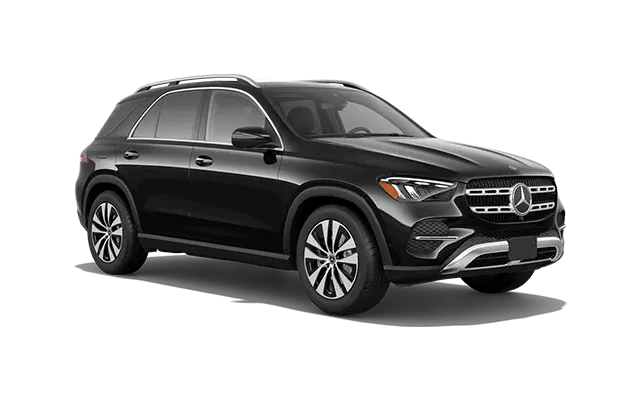
Mercedes-Benz GLC
Plug-in hybridMild hybrid
Data verified on on network dealership pages — browse 101 models and variants.

PHEV, HEV, EV: what each does
Three abbreviations, three approaches. An electric vehicle (EV) runs only on its battery. A hybrid (HEV) does not plug in: electricity provides assistance managed by the vehicle. A plug-in hybrid (PHEV) sits between them, with real electric range you can recharge for everyday driving and a full gas engine for the rest.
It is the powertrain for “and”: electric during the week and gas for vacations, in the same vehicle.
Plugging in is essential
A PHEV that never plugs in becomes a heavier regular hybrid: it runs, but its advantage disappears. The routine is simple: plug in every night at home, using a 240 V charging station or even an outlet, depending on the model and your needs.
If you have no access to an outlet at home or work, tell us at the dealership: a conventional hybrid, which never plugs in, will often be the more practical choice.
Daily driving, long distances and winter
- Daily trips, including commuting, school runs and errands, often fit within the electric range: most of your kilometres become electric.
- Long distances use gas, without having to plan charging stops: fill up and keep going as usual.
- Winter reduces electric range, as expected, and the gas engine takes over for heat and driving range.
Who a PHEV suits
- You can plug in at home: the first requirement, since the charging routine is what makes the system worthwhile.
- Short weekday trips, long weekend trips: an ideal fit, with electricity during the week and gas on the road.
- You are also considering electric: compare electric vehicles if long trips are rare and can be planned.
- You do not plan to plug in: a conventional hybrid, which never plugs in, will be the more consistent choice.
Our articles: plug-in hybrid
All news› 
Seven-seat hybrids and plug-in hybrids: the 6 new models
Seven seats and less gas: six new vehicles in the Groupe Beaucage network fit that description in 2026, with two hybrids and four plug-in hybrids from six different brands. Here are their official fuel consumption figures, how far each drives on electricity, and why three other models often mistaken for seven-seaters are not. Read the article ›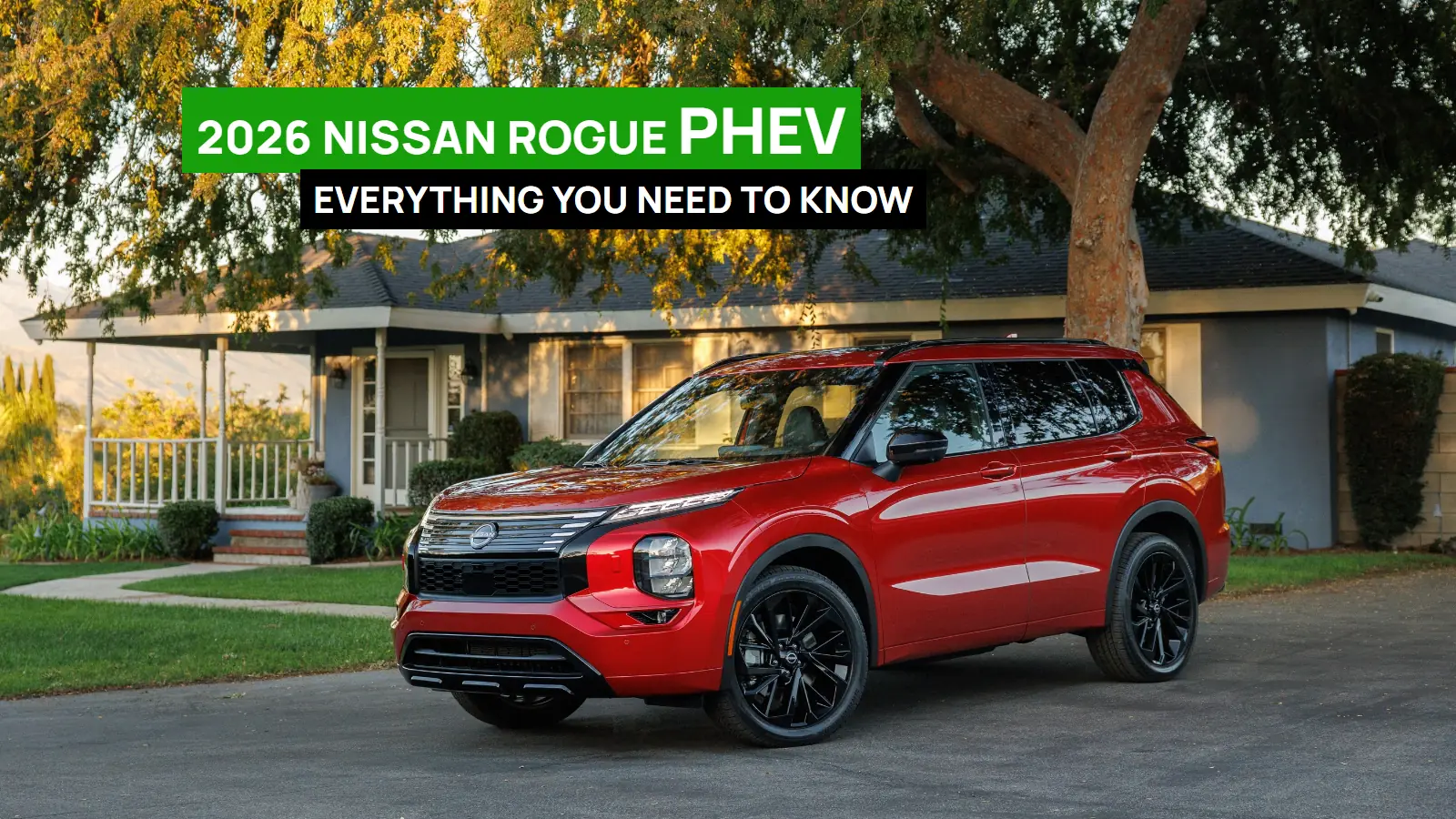
Nissan Rogue: finally a PHEV version in 2025 FR
Summary: The 2026 Nissan Rogue will be the brand’s first plug-in hybrid in North America. Few details have been released, but it should share the Outlander PHEV’s powertrain. The Rogue PHEV will go on sale during 2025 as a 2026 model. Two things are popular right now […] Read the article ›Frequently asked questions
How do plug-in hybrids, hybrids and electric vehicles differ?
A plug-in hybrid (PHEV) plugs in and provides real electric range for everyday trips, with a gas engine taking over afterwards. A conventional hybrid does not plug in and only drives electrically for short periods. An electric vehicle has no gas engine: everything depends on its battery and charging.
What happens if I never plug in my PHEV?
The vehicle still runs, behaving like a regular hybrid while carrying a large battery. But you give up its main advantage: regular charging, ideally every night, is what turns daily trips into electric kilometres.
Is a PHEV a good choice for winter and long trips?
That is where it fits well: in winter, the gas engine provides heat and dependable travel, while short trips remain electric. On long trips, there are no charging stops to plan; fill up and keep going. Cold reduces electric range, as it does for any vehicle that plugs in.
Which plug-in hybrid models does Groupe Beaucage offer?
The network offers 14 plug-in hybrid models and variants across several brands. The complete, verified list is on this page, with a direct link to each model’s page at its dealership.
New 14 models and variants in the catalogue See new models ›
Used Used hybrid and electric vehicles in the Occasion Beaucage network FR See used inventory FR ↗ Used inventory does not distinguish plug-in hybrids: this link groups hybrid and electric vehicles together. Verified on 2026-08-17.