In brief: what the cold really took away
In February 2025, CAAFR drove fourteen electric vehicles from Ottawa to Mont-Tremblant, in temperatures of −7 to −15 °C, each until its battery was completely depleted. The losses measured against the official rating range from 14% to 39%. Three of the fourteen vehicles tested are sold new in the Groupe Beaucage network.
| Vehicle tested | Official reference range | Measured range | Difference |
|---|---|---|---|
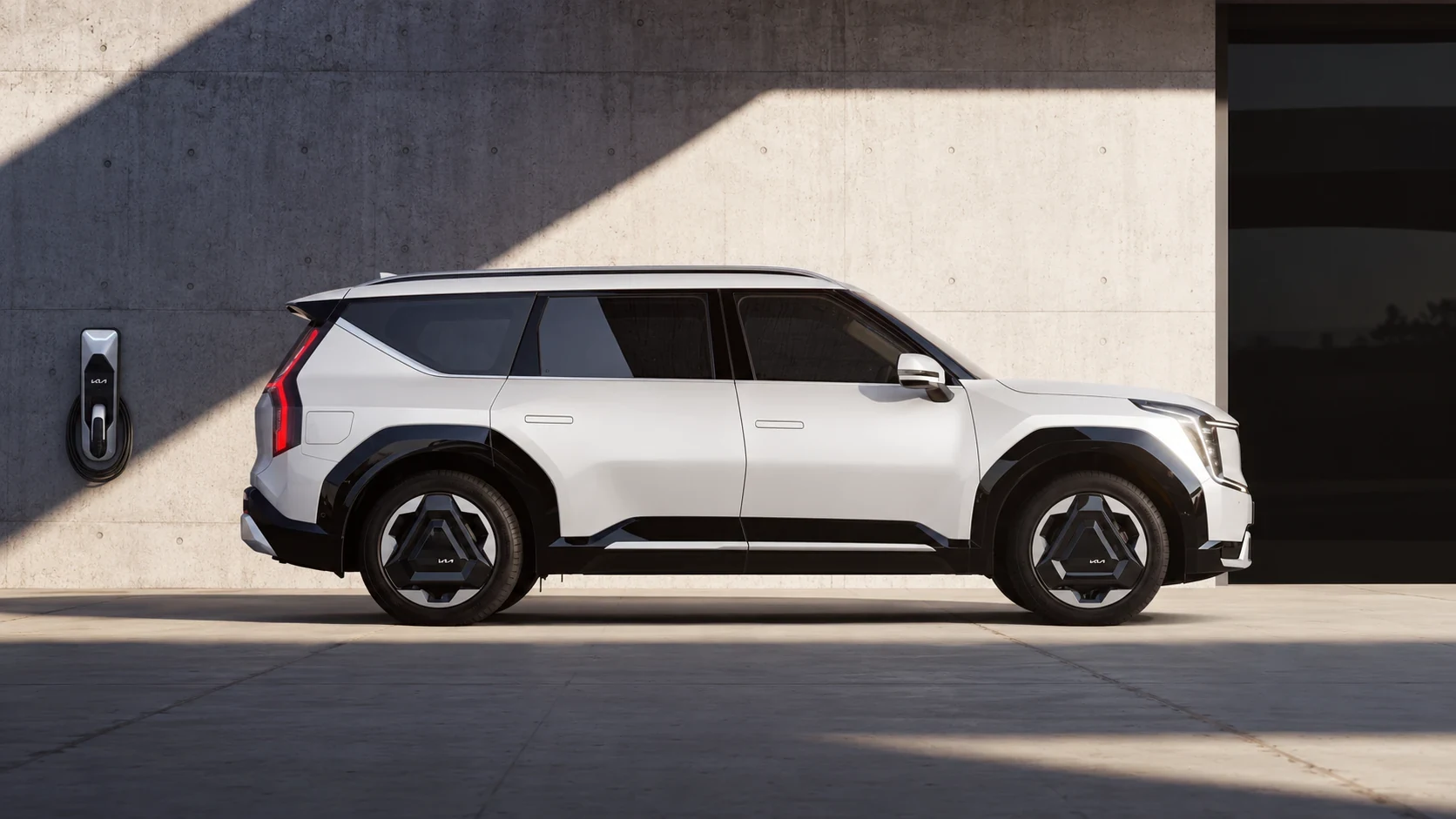
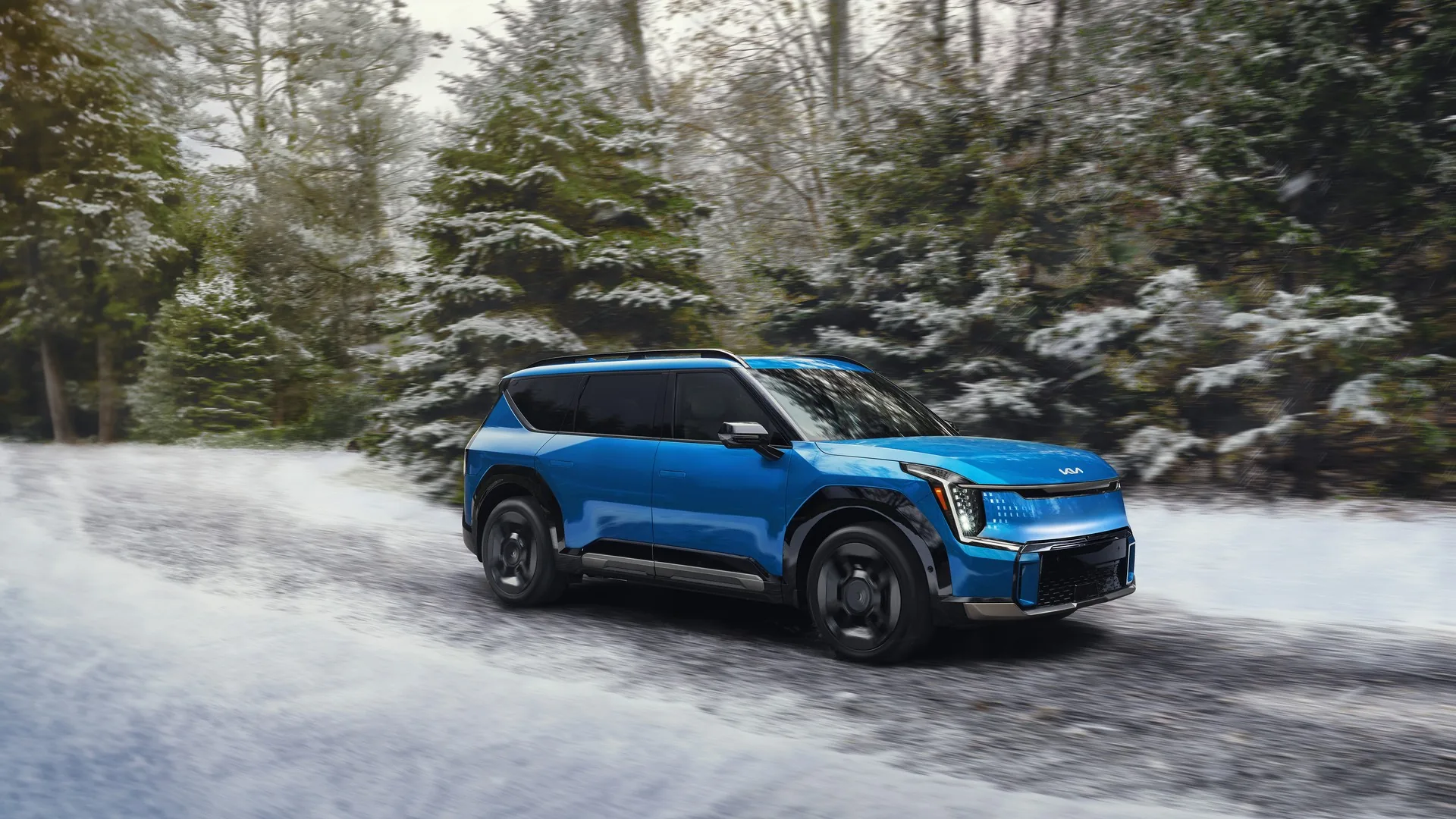
| Kia EV9 | 435 km | 349 km | −20% |
| Kia Niro EVFR | 407 km | 285 km | −30% |
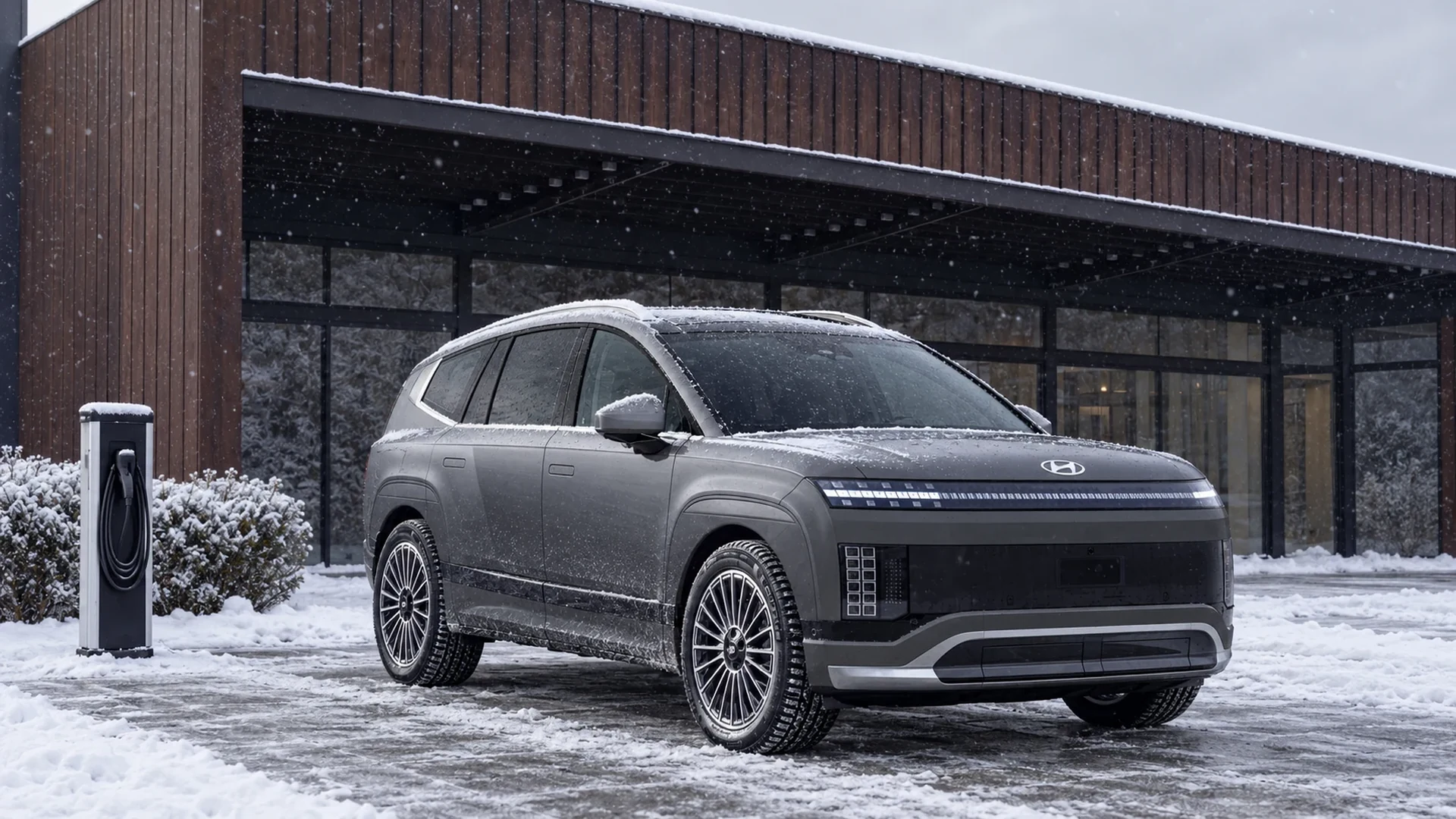
| Hyundai IONIQ 5FR | 410 km | 262 km | −36% |
See the new electric vehicles in the network
Why the right answer is a range
CAA measures real vehicles on a real route. The gap between the best and the worst of the group is almost one to three: the brand and the trim therefore matter as much as the thermometer.
CAA-Québec reasons by temperature. Its winter driving tip, published on October 4, 2019, puts the drop at about 25% around −15 °C and about 45% from −25 °C. The same page gives a handy rule of thumb: aim for a total range equal to double your daily travel needs.
The cold therefore does not take away a fixed percentage. It takes away a slice that depends on the temperature, the vehicle, the speed and how you heat the cabin. A text that gives you a single figure is selling you a certainty that does not exist.
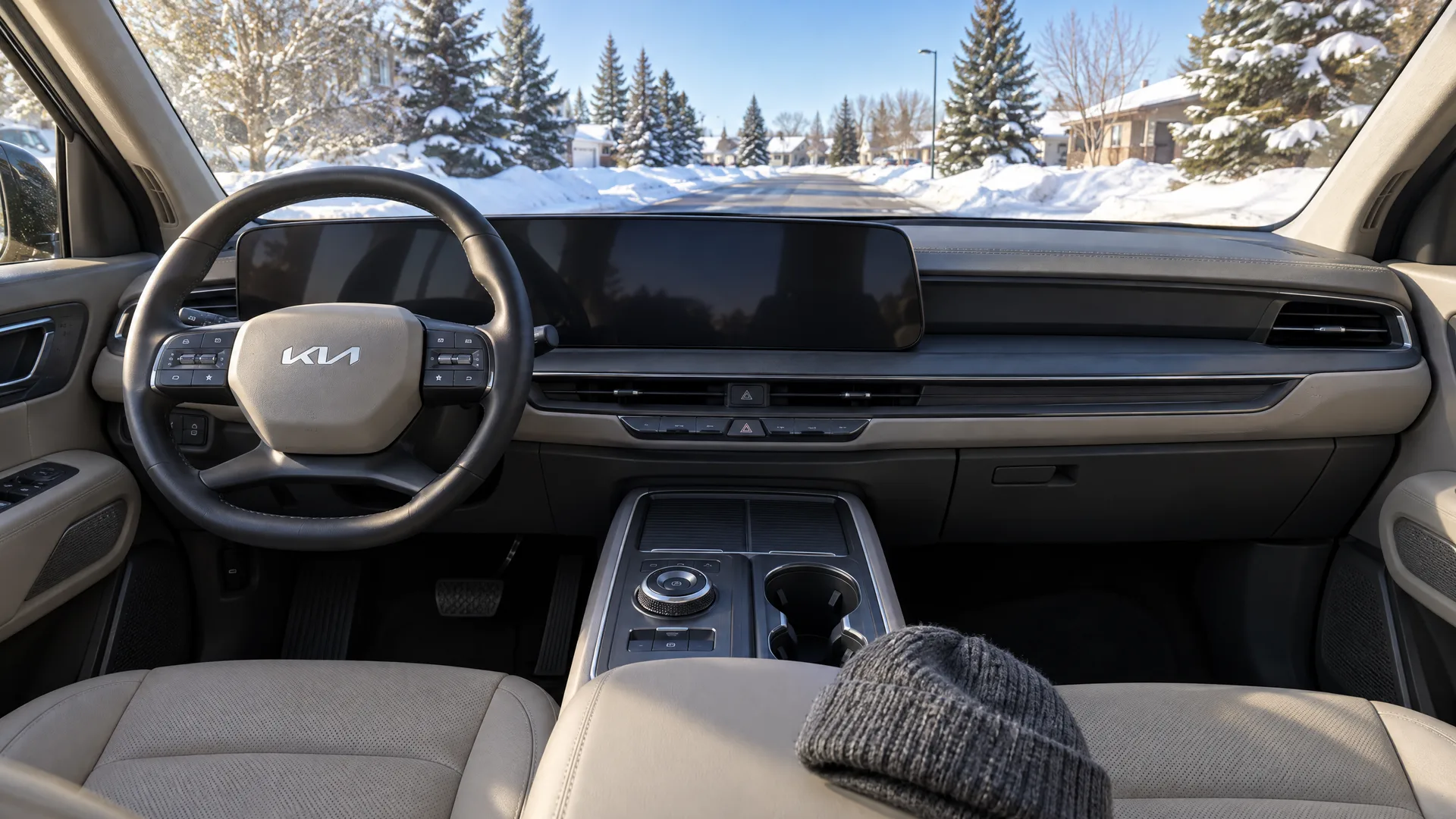
The three causes of the drop
1. Heating the cabin
A gas engine produces far more heat than motion: heating the cabin costs it practically nothing, it recovers a waste product. An electric motor, for its part, gives off very little heat. The heat sent into the cabin and to the defroster must therefore be manufactured, and it comes out of the battery — the very one that moves you forward.
2. The cold battery
In severe cold, the battery chemistry slows down: it returns less energy, and part of the current is first used to warm it. This also shows up when charging. In CAA’s test, on a fast charger and fifteen minutes plugged in, the IONIQ 5 regained 64 km and the Niro EV 35 km: at equal charger, a winter stop is longer.
3. Tires and road conditions
In Quebec, tires designed for winter driving are mandatory from December 1 to March 15. Softer and more deeply sculpted, they grip better and resist rolling more. Add packed snow, slush and sand: Natural Resources Canada puts the effect of poor road conditions at 7 to 35% more fuel consumption on a gas vehicle. The mechanism is the same for an electric vehicle — it is rolling resistance, and it is paid for in energy.
Gas loses too, we just forgot
This is the part of the story that most often disappears from the conversation. In its fact sheet on the effect of cold weather on fuel efficiency, Natural Resources Canada relays data from the U.S. environmental agency: a temperature drop from 24 to 7 °C can increase city fuel consumption by 12 to 28%. The same sheet adds two details few people know: a liter of winter gas contains 1.5 to 3% less energy than a liter of summer gas, and ten minutes of idling to warm the cabin burns 0.25 to 0.50 liters without moving the vehicle a single meter.
The right way to ask the question is therefore not “does the electric vehicle lose range in winter.” It is: does what I have left in winter cover what I actually do?
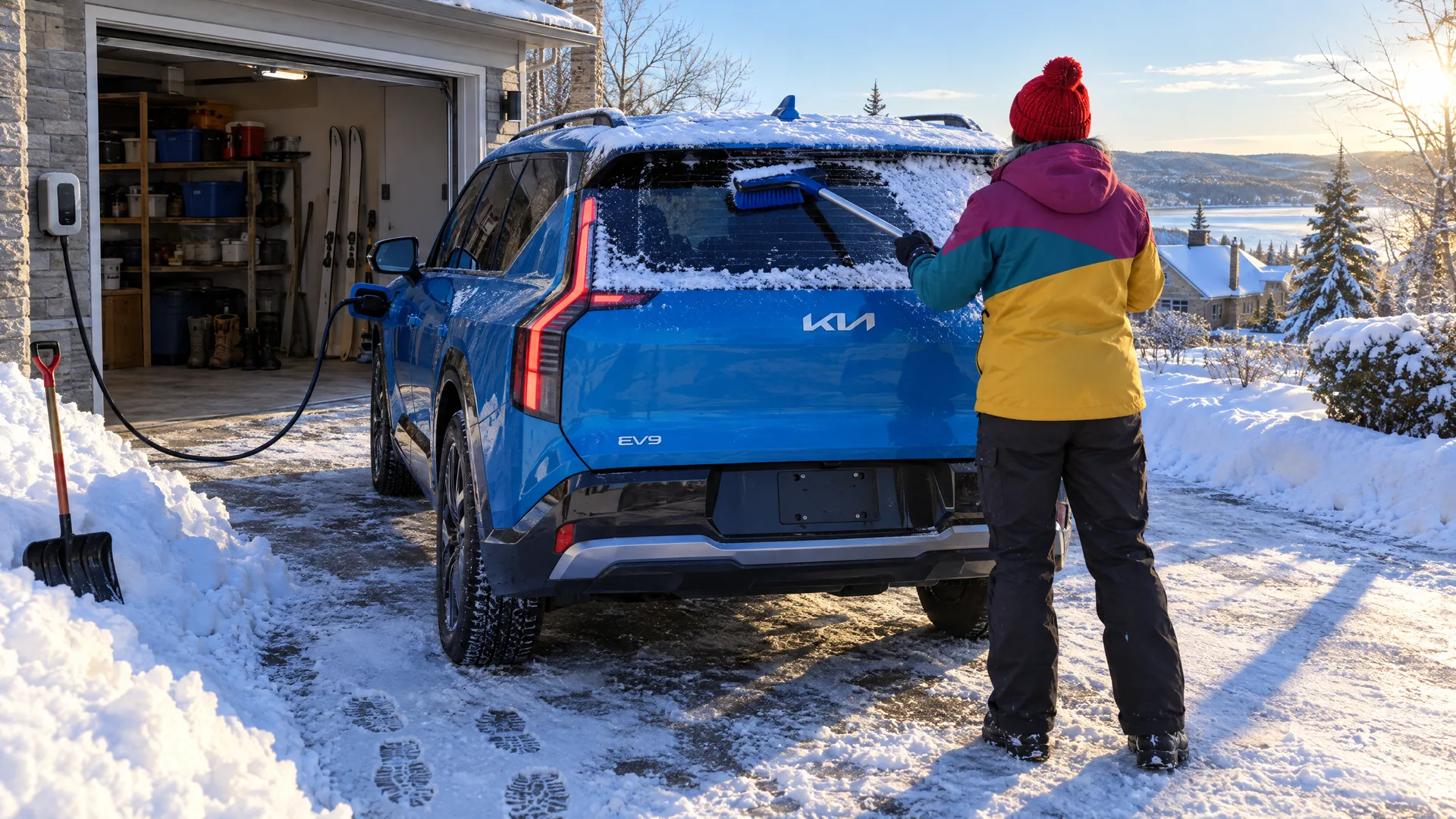
What really helps: plugging in and the heat pump
Preheating while plugged in costs zero kilometres. CAA recommends warming the cabin while the vehicle is still plugged in; CAA-Québec specifies 20 to 30 minutes before departure. The logic is simple: the heating energy then comes from the charger, not the battery, and you leave with a warm cabin, clear windows and an intact reserve.
The heat pump works the whole trip. Rather than producing heat through electric resistance, it moves heat: it captures that of the outside air for a fraction of the energy. It is the equipment to check before signing, because it is not fitted on every trim.
| Model | Heat pump | Source |
|---|---|---|
| 2026 Hyundai IONIQ 5 | Announced | Hyundai Magog sheet |
| 2026 Hyundai IONIQ 9 | Announced | Hyundai Magog sheet |
| 2026 Hyundai Kona Electric | Announced | Hyundai Magog sheet |
| 2026 Kia Niro EV | Announced | Kia Sherbrooke sheet |
| 2026 Kia EV9 | Wind and Land trims — absent from the equipment of the entry-level Light trim | Kia Canada spec sheet |
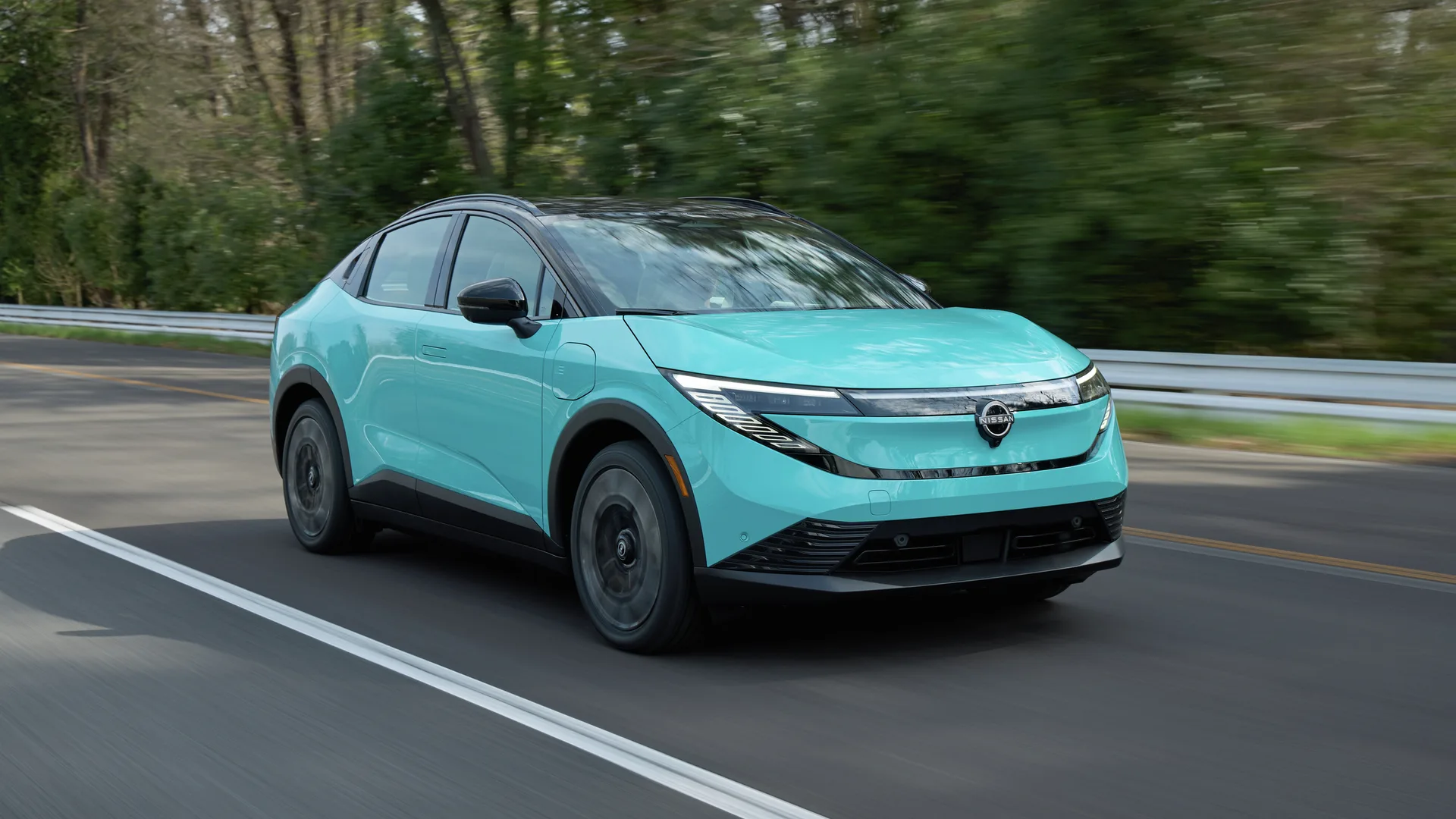
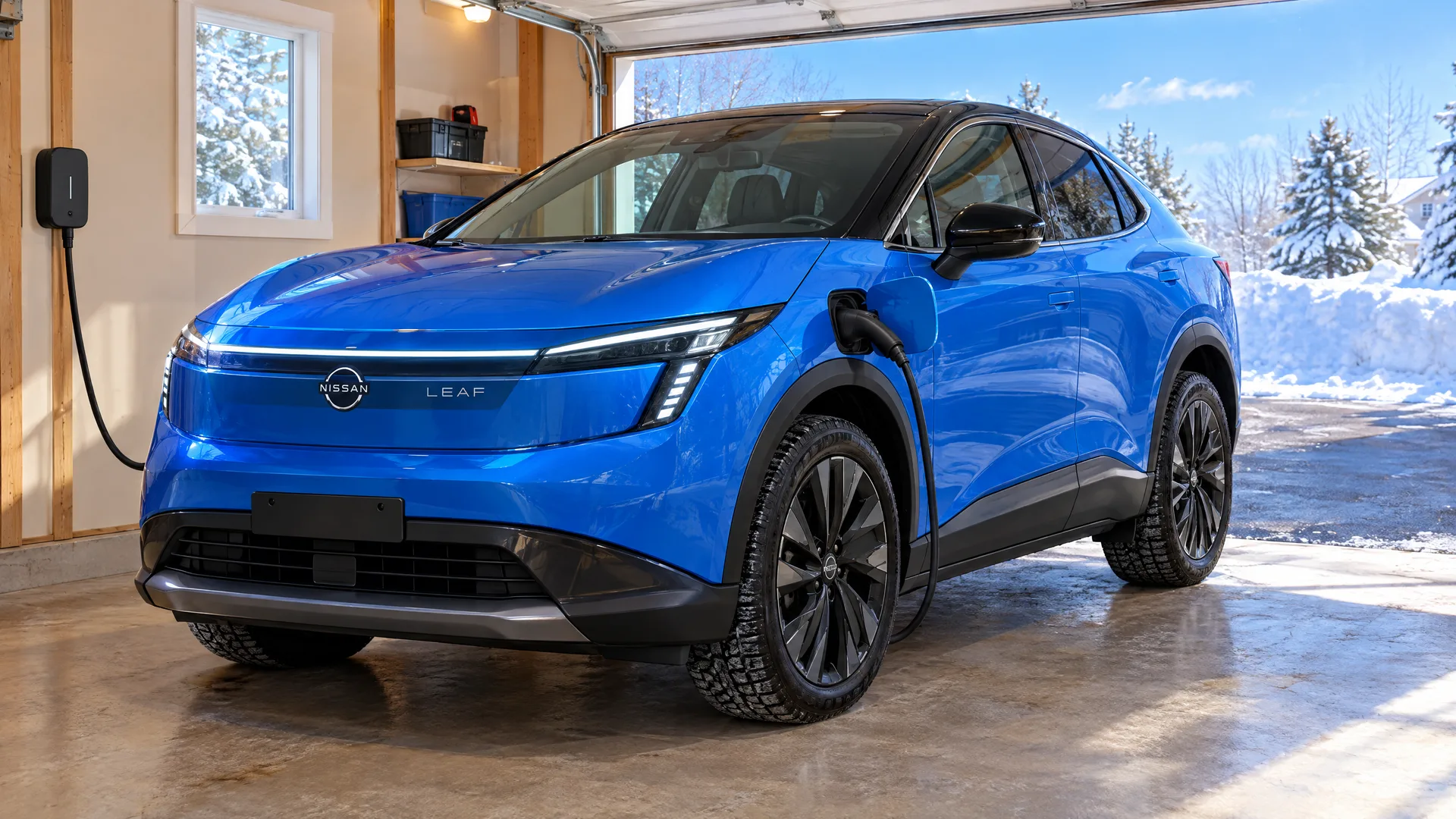
| 2026 Nissan LEAF | Included on the S+, SV+ and Platinum+ trims | Nissan Canada spec sheet |
| 2026 Nissan Ariya | Not confirmed when gathered | No mention on the spec sheet |
Remember the Kia EV9 line: on the same model, the entry-level trim and the higher trims are not equipped the same way. It is the kind of detail you discover in February rather than at signing. The question is asked trim by trim, not model by model.
The network’s new electric vehicles
The prices below were gathered on from the network’s dealership websites. They are set by the manufacturers and may change without notice: the model sheet carries the current amount. The price shown includes freight and pre-delivery inspection (PDI). Taxes and registration are extra.
| 2026 model | Maximum official range | Starting at |
|---|---|---|
| Hyundai IONIQ 9FR | 539 km | $63,116 (as of ) |
| Hyundai IONIQ 5 | 504 km | $58,516 (as of ) |
| Kia EV9FR | 491 km | $62,298 (as of ) |
| Nissan LEAFFR | 488 km | See the current priceFR |
| Nissan AriyaFR | 465 km | See the current priceFR |
| Hyundai Kona ElectricFR | 420 km | $46,916 (as of ) |
| Kia Niro EV | 407 km | $47,748 (as of ) |
A clarification that avoids bad surprises: the rating shown is that of the longest-range trim. At Kia, the EV9 Wind is rated 491 km, but the entry-level Light trim, with a smaller battery, is rated 370 km.
Each model in the table leads to its full sheet, at Hyundai Magog, at the five Kia dealerships or at the five Nissan dealerships of the group.
What it means for a winter in the Eastern Townships
Let us move from percentages to kilometres. Apply to the official 2026 model year ratings the differences CAA actually measured on these same models:
- Kia EV9 Wind, rated 491 km, minus the 20% measured on an EV9: about 390 km remain.
- Kia Niro EV, rated 407 km, minus the 30% measured: about 285 km.
- Hyundai IONIQ 5 long range, rated 504 km, minus the 36% measured: about 320 km.
These are orders of magnitude, not promises. CAA tested a specific trim of a specific model year — the EV9 measured was not the Wind trim, for example — and your trip will not be theirs. They are enough, however, to put things in perspective. A Sherbrooke–Magog round trip is about fifty kilometres: none of the three feels it, even in January. Sherbrooke–Montreal is about 150 km by Highway 10: the trip there is done without a thought in all three cases, and it is the 300 km round trip that sets them apart. The EV9 and the IONIQ 5 cover it with margin; the Niro EV needs a charge somewhere during the day.
The calculation that matters is therefore this one: take your real daily distance, double it as CAA-Québec suggests, and see which models pass the test.
Compare the electric models in the network Appraise my current vehicle Choose my dealership
 Watch the video on YouTube
Frequently asked questions
How much range does an electric vehicle lose in winter in Quebec?
It depends on the vehicle and the temperature. CAA’s winter test published on February 10, 2025, run on fourteen vehicles between −7 and −15 °C, measured losses of 14% to 39% against the official rating. CAA-Québec puts forward about 25% around −15 °C and about 45% from −25 °C.
Is the heat pump standard on all electric vehicles?
No. As of the September 23, 2026 survey, it is announced on the 2026 Hyundai IONIQ 5, IONIQ 9 and Kona Electric, on the 2026 Kia Niro EV and on the three trims of the 2026 Nissan LEAF. On the 2026 Kia EV9, it is part of the equipment of the Wind and Land trims, but not of the entry-level Light trim. The check is done on the sheet of the exact trim.
Does preheating while plugged in really work?
It is a simple, worthwhile habit. CAA recommends warming the cabin while the vehicle is still plugged in, and CAA-Québec speaks of 20 to 30 minutes before departure. The energy then comes from the charger rather than the battery: you leave warm, with your full reserve.
Does a gas vehicle use more in winter too?
Yes. Natural Resources Canada, in its fact sheet on the effect of cold weather on fuel efficiency, reports that a temperature drop from 24 to 7 °C can increase city consumption by 12 to 28%. The cold costs everyone energy; it is simply more visible when the gauge shows kilometres.
Are these ranges and prices still current?
The ranges come from Natural Resources Canada’s ratings, file updated on September 18, 2026, for the 2026 model year. The prices were gathered on September 23, 2026 from the network’s dealership websites; they are set by the manufacturers and can change without notice. If you read this text later, the model sheet carries the current information.