In brief
For most electric vehicle owners, charging happens at home, overnight. Hydro-Québec estimates that home and work generally cover 90% of needs. Before installing a station, four topics: the difference between charging levels, the estimated cost at Rate D, the installation and the Government of Quebec’s financial assistance, confirmed in effect on .
| Question | Answer | Source |
|---|---|---|
| Level 1 or Level 2? | Level 1: ordinary wall outlet. Level 2: 7 kW station on a 240-volt circuit. | Hydro-Québec |
| How long for 40 km of range? | 1 to 3 hours on a Level 2 station; 8 hours or more on an ordinary outlet | Hydro-Québec |
| Electricity price at Rate D | 7.065¢/kWh for the first block, 11.142¢/kWh for the rest, before taxes, since April 1, 2026 | Hydro-Québec |
| Who installs? | An electrical contractor holding a licence from the Régie du bâtiment du Québec | Government of Quebec |
| Financial assistance | $600 for the purchase of an eligible connected station | Government of Quebec, page updated on 09/17/2026 |
See the new vehicles in the network
Level 1, Level 2, fast charging: the difference
Hydro-Québec distinguishes three ways to charge:
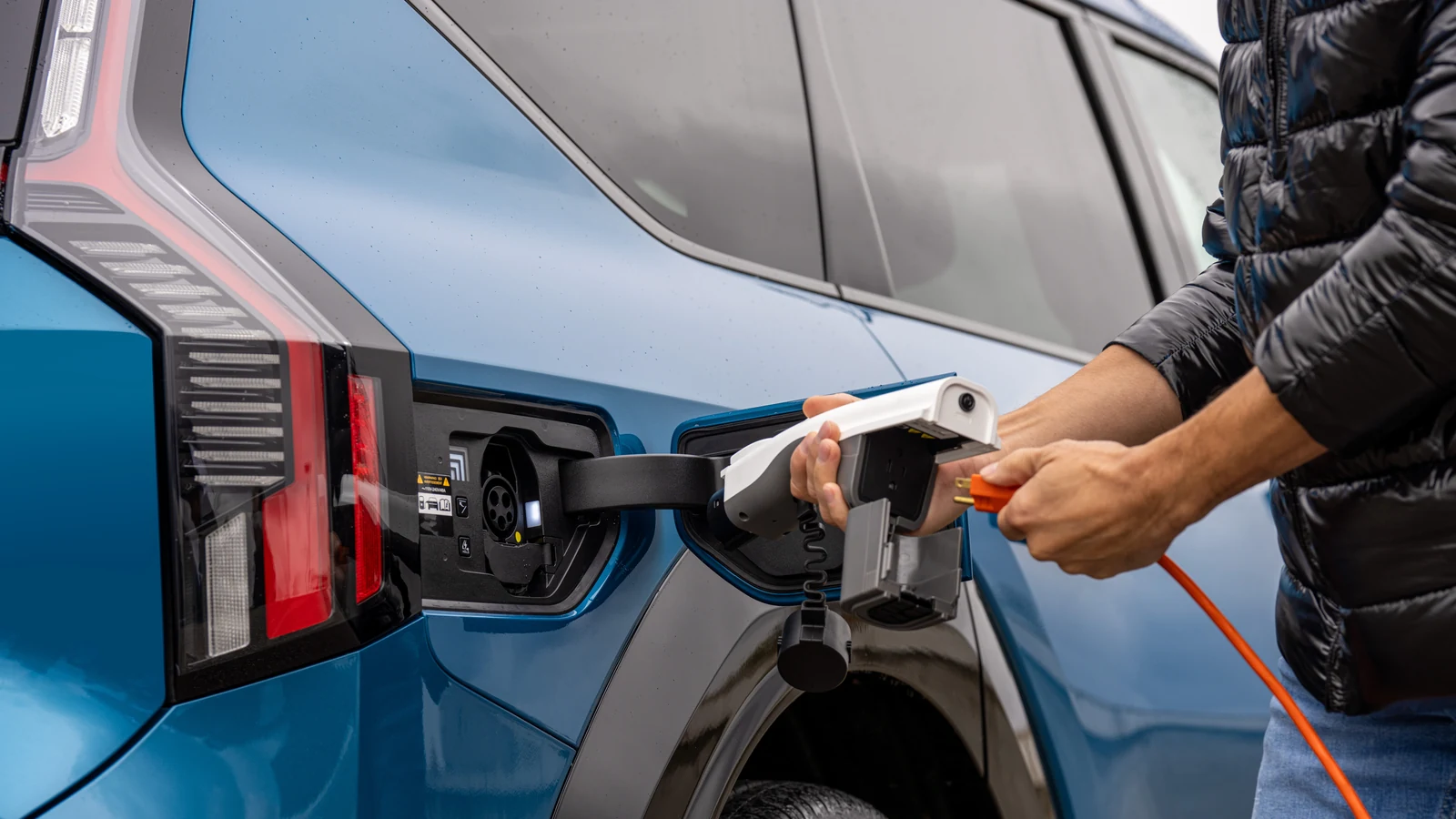
- Level 1, the ordinary wall outlet. The vehicle’s demand is then about that of a 1,400-watt air conditioner. It is slow: more than 8 hours to recover 40 km of range, according to Hydro-Québec.
- Level 2, the 7 kW station. Installed outside the house or in the garage, on a 240-volt circuit. It recovers 40 km of range in 1 to 3 hours. Over a year, Hydro-Québec compares its consumption to that of a 180-litre water heater.
- Fast charging, 50 kW or more. It goes through direct-current stations. Hydro-Québec places it on public networks, such as the Electric Circuit. It is mostly used for long trips or top-up charges.
For a fully electric vehicle, a Level 2 station lets you, in most daily uses, recover overnight the energy of the day, depending on the vehicle, its state of charge and the power it accepts. For a plug-in hybrid, whose battery is smaller, an ordinary outlet may be enough depending on your trips. Hydro-Québec’s durations are indicative: they vary with the vehicle, its onboard charger and the temperature.
What home charging costs
At Rate D, the one most residential customers are on, Hydro-Québec bills two prices since April 1, 2026:
- 7.065¢/kWh for the first block, equal to 40 kWh per day multiplied by the number of days in the billing period;
- 11.142¢/kWh for the rest of the energy consumed.
On top of these prices come the network access charge of 46.154¢ per day, which you already pay with or without an electric vehicle, and taxes. Hydro-Québec specifies that, in general, an electric vehicle is charged at the price of the second block: so 11.142¢/kWh is the one to use to estimate the cost.
A simplified example, with our assumptions. It does not represent every vehicle: consumption varies from one model to another and with the season. Take a vehicle that uses 20 kWh per 100 km, drives 20,000 km a year and is charged 85% at home:
- 20,000 km × 20 kWh/100 km = 4,000 kWh per year;
- 85% at home = 3,400 kWh;
- 3,400 kWh × 11.142¢ = about $379 per year, before taxes.
This is consistent with the Government of Quebec’s estimate, which speaks of $300 to $400 more per year on the electricity bill for 20,000 km with 85% home charging. Hydro-Québec, for its part, estimates that for 20,000 km a year, charging costs $1,000 to $2,000 less than the fuel of a gas-powered vehicle. Your vehicle’s consumption will change the calculation: it is listed in Natural Resources Canada’s Fuel Consumption Guide, and Hydro-Québec’s “Calculate your savings” tool does the math for you. Our electric or gas article compares the total cost of the two powertrains.
Installation: what is required
According to the Government of Quebec, the Construction Code requires that electrical work be done by an electrical contractor holding a licence from the Régie du bâtiment du Québec. The directory of the Corporation des maîtres électriciens du Québec lets you find one in your area. Hydro-Québec also recommends entrusting the installation of a residential station to a master electrician.
The station can be installed on an exterior wall, in a garage or on a pedestal. The government compares installing a 240-volt station to installing a stove or dryer outlet. The installation cost can go up if the electrical panel has to be replaced, or if the wiring has to be buried because the station is not attached to the wall of the house. The official advice: ask several contractors for quotes.
The $600 grant: the conditions
The Government of Quebec offers $600 for the purchase of a home charging station, under the Écorecharge program. The official page was updated on September 17, 2026 and the program was in effect at the time of writing. The main conditions:
- The vehicle. Be the owner or long-term lessee of a fully electric vehicle, a plug-in hybrid or an electric motorcycle, new or used, and have it in your possession at the time of the application.
- The station. It must appear on the list of eligible stations, be new, offer Level 2 charging (208 or 240 volts) and, since April 1, 2026, be a connected station, one you can control with an app. It must be purchased or leased, for at least 36 months, from a Canadian retailer.
- The amount. You must have paid at least $600 before taxes for the station itself. Installation, delivery, accessories and extended warranty costs do not count.
- The dwelling. Single-family house, townhouse, semi-detached house or duplex in Quebec, main or secondary residence. People in multi-unit housing, including triplexes and fourplexes, fall under another component of the program.
- The timing. The station must be installed before the application, and expenses incurred after January 1, 2024, outside the suspension period from February 1 to March 31, 2025.
Beware of special offers: if you obtained the station through a special offer, for example from a dealership, a manufacturer or your municipality, you may not be eligible, according to the government. Keep an invoice in your name showing the price actually paid. The conditions of an assistance program can change: check the official page just before buying.
The station and winter
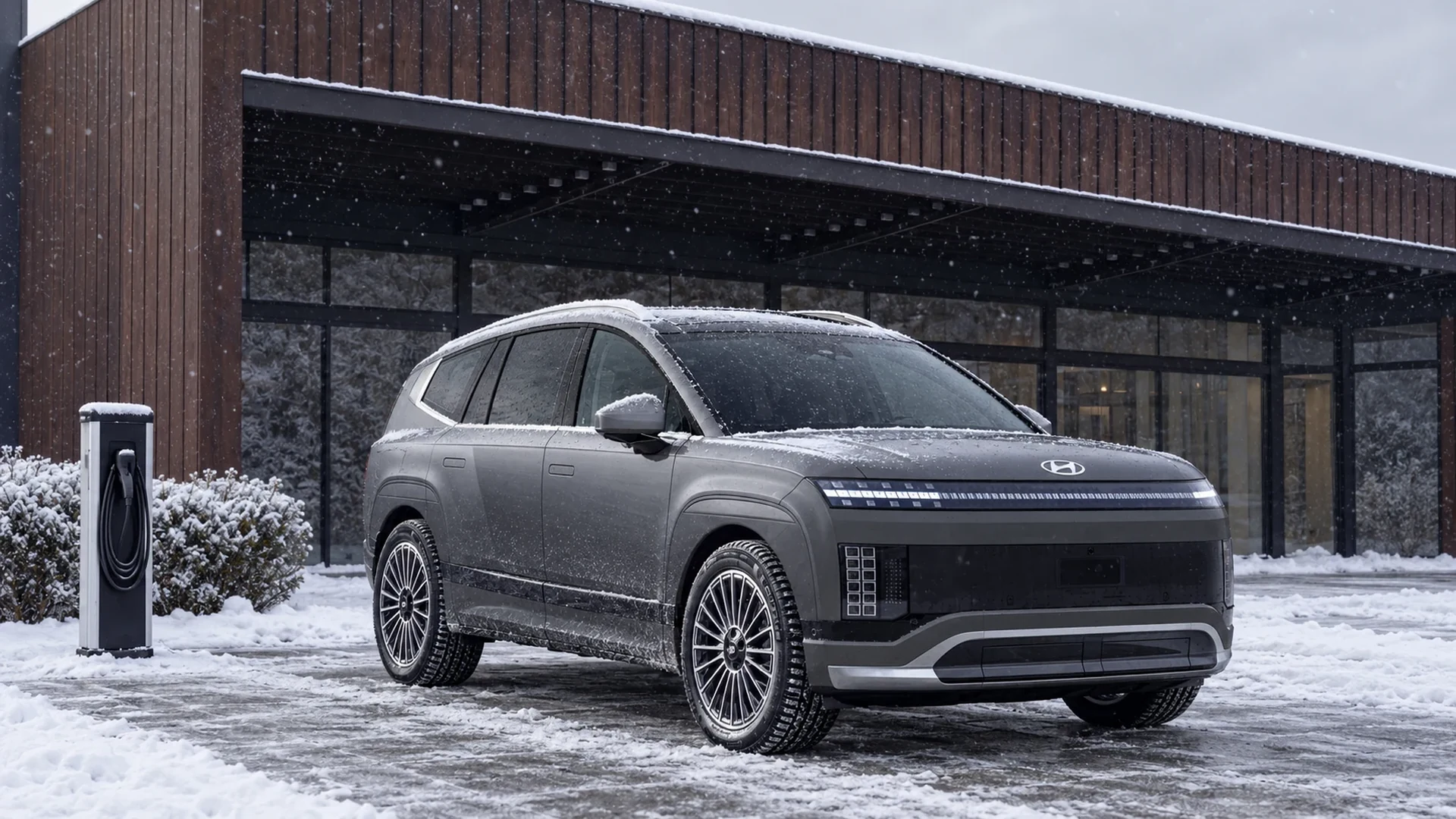
Hydro-Québec’s charging times vary with the temperature. A station at home makes overnight charging easier, including in winter, depending on the vehicle, the station and the conditions. For the effect of cold on range, see our article on winter range.
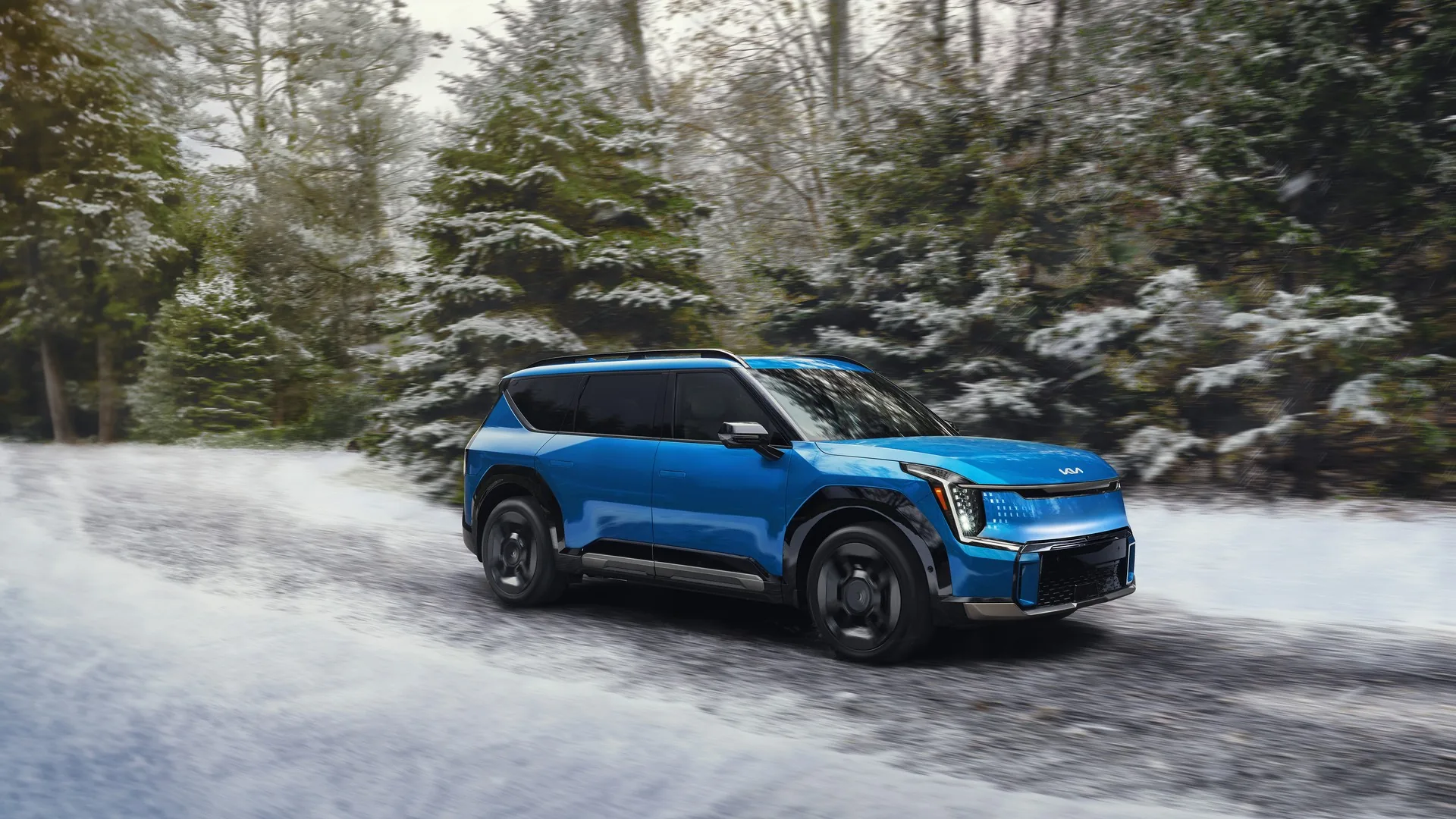
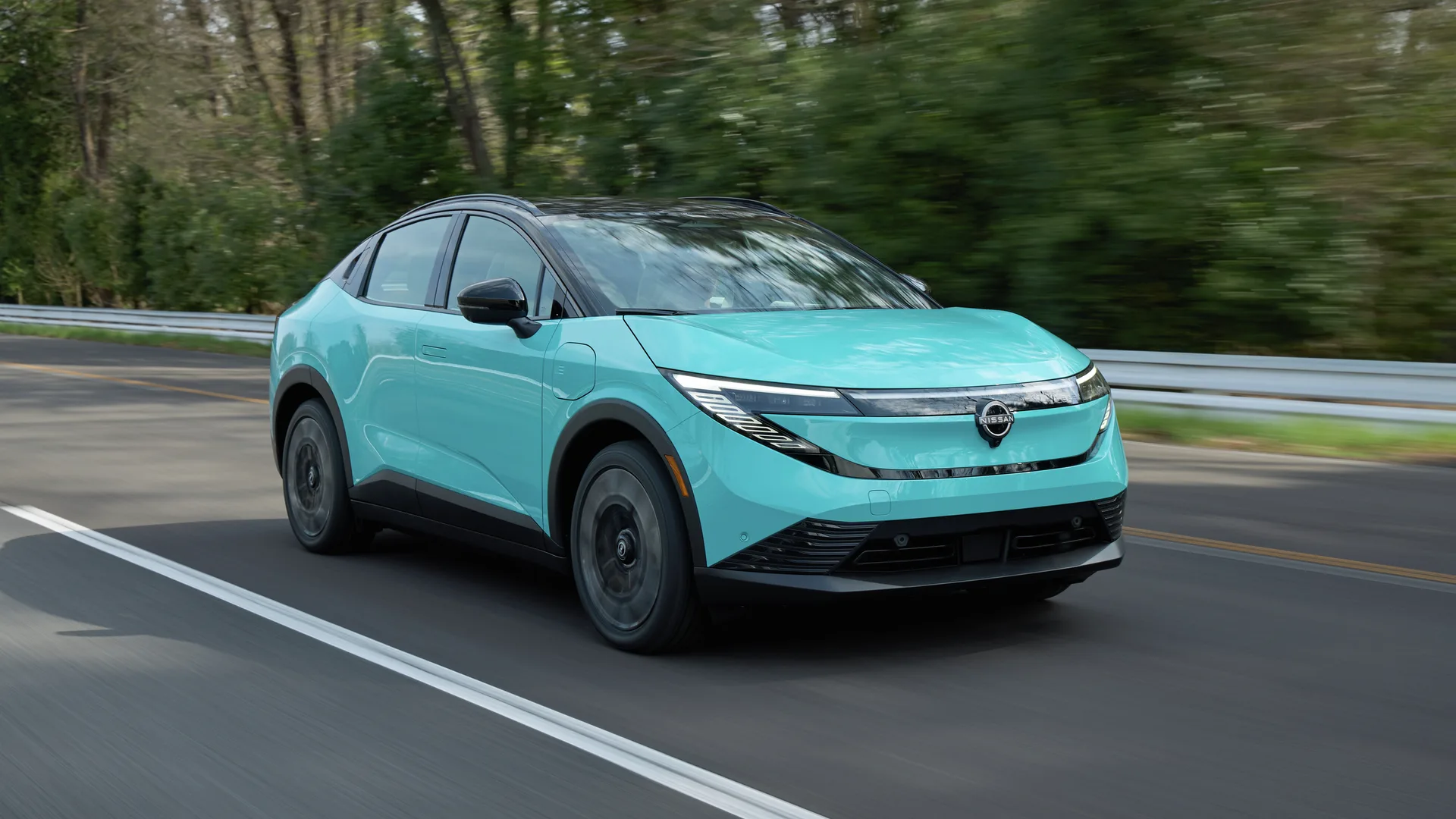
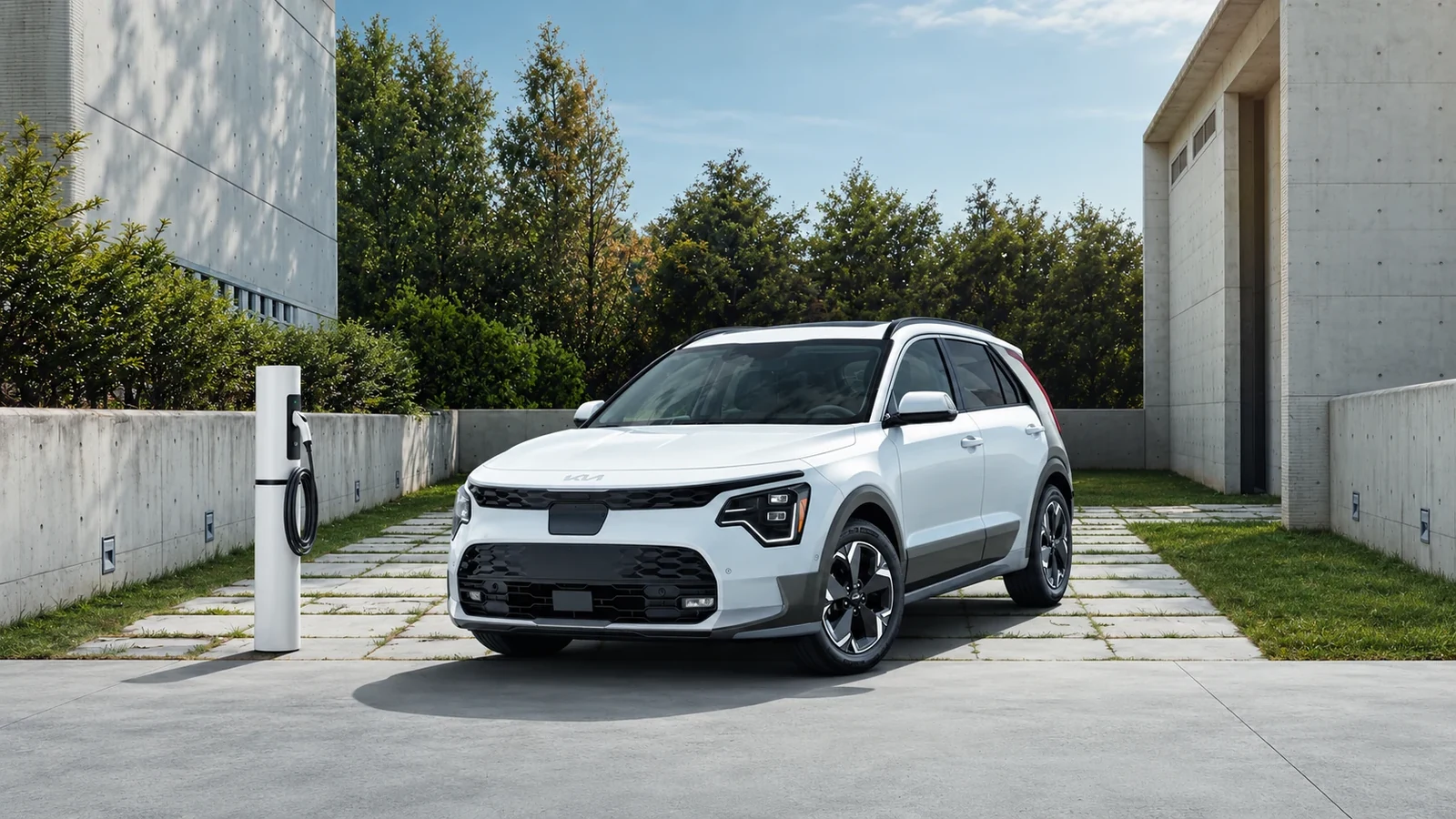
Shopping for your first electric vehicle? Our guides compare the electric Kias and present the 2027 Nissan LEAF S. The dealerships in the network can also explain the charging specific to each model before you buy.
See the new vehicles in the network Appraise my current vehicle Find my dealership
Frequently asked questions
Can I charge on an ordinary outlet?
Yes, that is Level 1 charging. It is slow: more than 8 hours for 40 km of range, according to Hydro-Québec. It may suit a plug-in hybrid or short trips. If an outlet has to be added, Hydro-Québec recommends a master electrician.
How much does a kWh cost to charge my vehicle?
At Rate D, generally 11.142¢/kWh before taxes, the second-block price in effect since April 1, 2026, according to Hydro-Québec.
Does the $600 grant cover the installation?
No. According to the Government of Quebec, only the purchase of the station counts. Electrical work, the pedestal or a new panel are not eligible.
Does my station have to be “smart” for the grant?
Yes, since April 1, 2026: only connected stations are eligible, and the model must appear on the official list.
I live in a condo or a triplex, am I entitled to the grant?
The “home station” component is aimed at single-family houses, townhouses, semi-detached houses and duplexes. People in multi-unit housing, including triplexes and fourplexes, fall under a separate component for an individual station in multi-unit housing.
Can I install the station before I have my vehicle?
Yes, but according to the Government of Quebec, you must have the vehicle in your possession before submitting the grant application, which is tied to its identification number and registration.