At a glance: the four figures
An honest calculation comes down to four numbers. Three are public and verifiable; the fourth is yours.
| What you need | Value | Where to check it |
|---|---|---|
| Price of electricity (Rate D, first block) | 7.065¢/kWh | Hydro-Québec, rate schedule in effect since April 1, 2026 |
| Price of regular gas | 195.7¢/L | Régie de l’énergie du Québec, provincial average, week of September 14, 2026 |
| Vehicle consumption | L/100 km or kWh/100 km | Natural Resources Canada, official ratings |
| Your kilometres | up to you to say | your odometer |
Natural Resources Canada publishes a useful national illustration: about 3 to 4¢/km for an electric vehicle versus 11 to 12¢/km for a four-cylinder gas vehicle. But it is calculated at 15¢/kWh and $1.50/L — two figures that are not those of Quebec in 2026. Hence the value of redoing the math with the real local rates.
See the new electric models in the network
What energy costs, on both sides
Electricity: 7.065¢ — and the trap of the second block
Under residential Rate D, Hydro-Québec charges 7.065¢ per kilowatt-hour for the first 40 kWh used per day, then 11.142¢ for the rest. These prices have been in effect since April 1, 2026.
This is the nuance that most comparisons forget. A home heated with electricity commonly exceeds 40 kWh per day in January: charging then costs not 7.065¢ but 11.142¢. It does not overturn the result, but it is worth calculating both.
Conversely, one figure that must not go into the calculation: the grid access charge, 46.154¢ per day. You already pay it, with or without an electric vehicle.
Gas: 195.7¢ per litre
For the week of September 14, 2026, the Régie de l’énergie du Québec recorded an average posted price of 195.7¢ per litre for regular gas, a weighted average for the province. That is the figure used here.
Two cautions. This price moves every week: take the current reading on the day you do your calculation. And it again includes the federal excise tax, suspended from April 20 to September 7, 2026 — a price recorded during that summer would give a skewed gap.
The method, in five lines
Take the two vehicles you are hesitating between, note their Natural Resources Canada rating, and plug in your own kilometres.
- Electric: (kWh/100 km ÷ 100) × your kilometres × $0.07065
- Gas: (L/100 km ÷ 100) × your kilometres × $1.957
- Redo line 1 with $0.11142 if your home often exceeds 40 kWh per day
- Add the maintenance you actually pay at your dealer, on both sides
- Subtract the incentives the electric vehicle qualifies for, once, at purchase
That is all. The rest — insurance, registration, winter tires — applies to both and does not separate them as long as the vehicles compared are of similar size.
Two real pairs from the network
The ratings below come from Natural Resources Canada for the 2026 model year, checked on . The calculation is based on 20,000 km per year.
| Vehicle | Official rating | Energy / year | Cost per km |
|---|---|---|---|
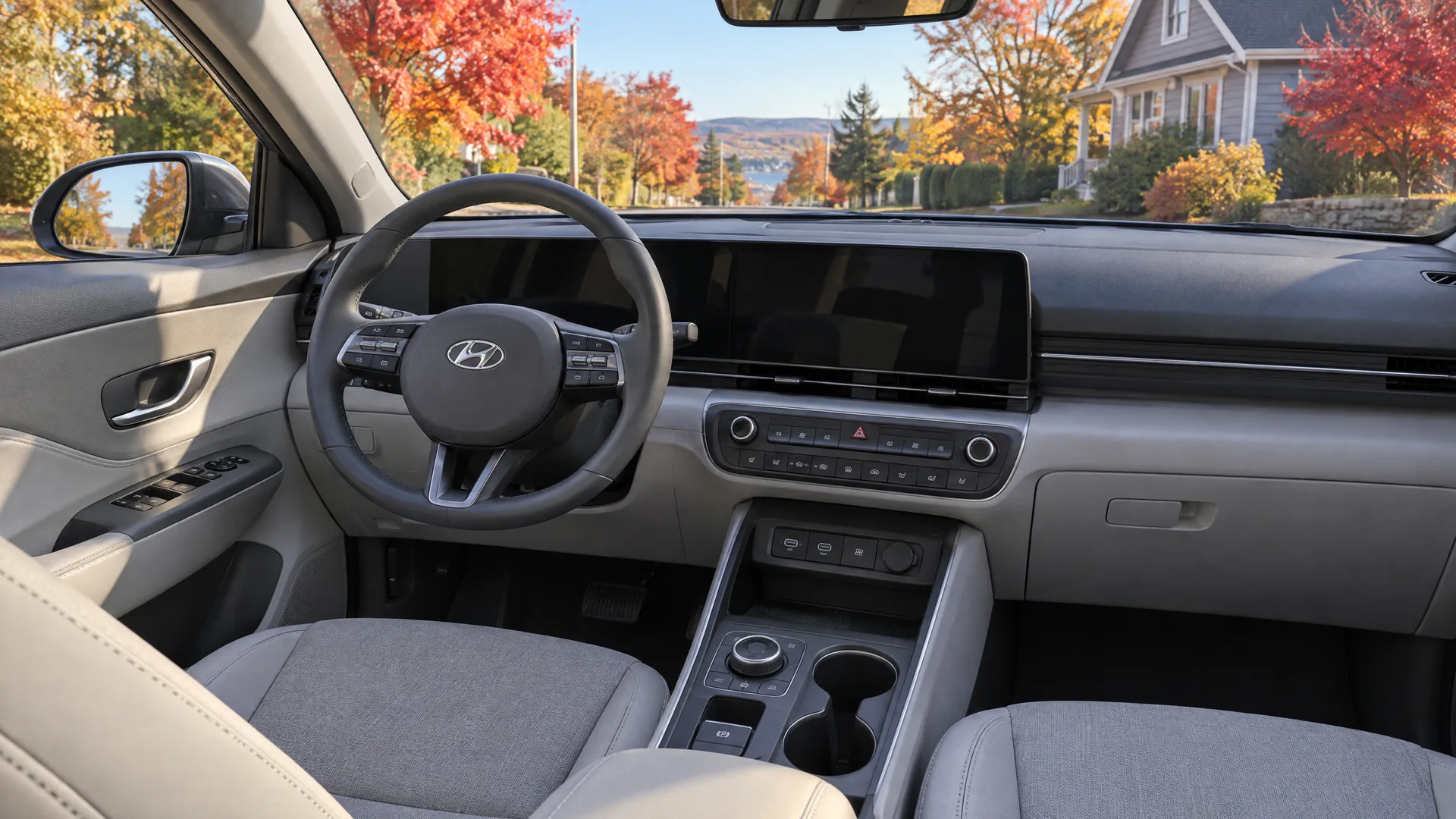
| 2026 Hyundai Kona, 2.0 L gas | 7.6 L/100 km | $2,975 | 14.9¢ |
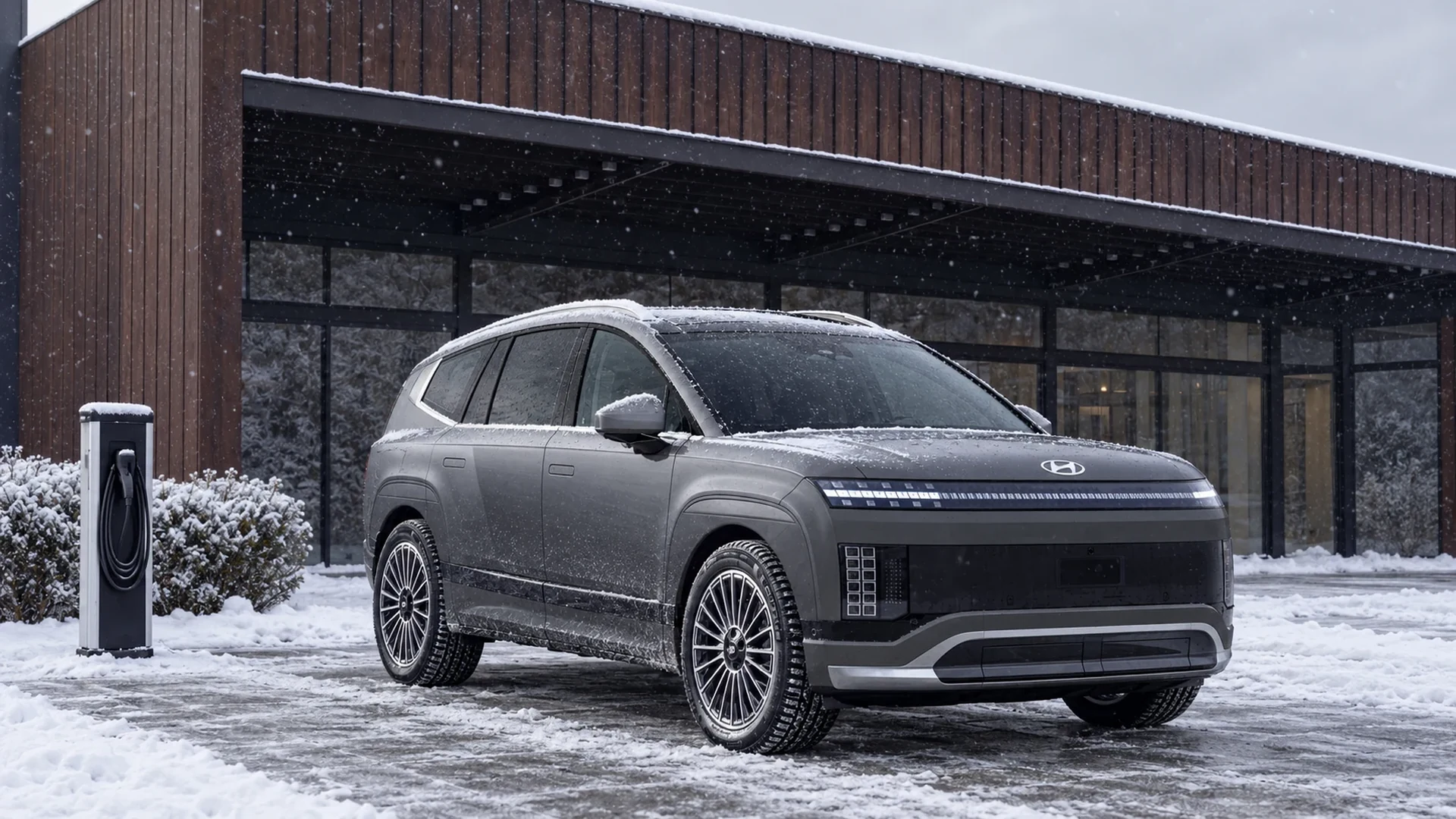
| 2026 Hyundai Kona Electric | 18.1 kWh/100 km | $256 — or $403 in the second block | 1.3 to 2.0¢ |
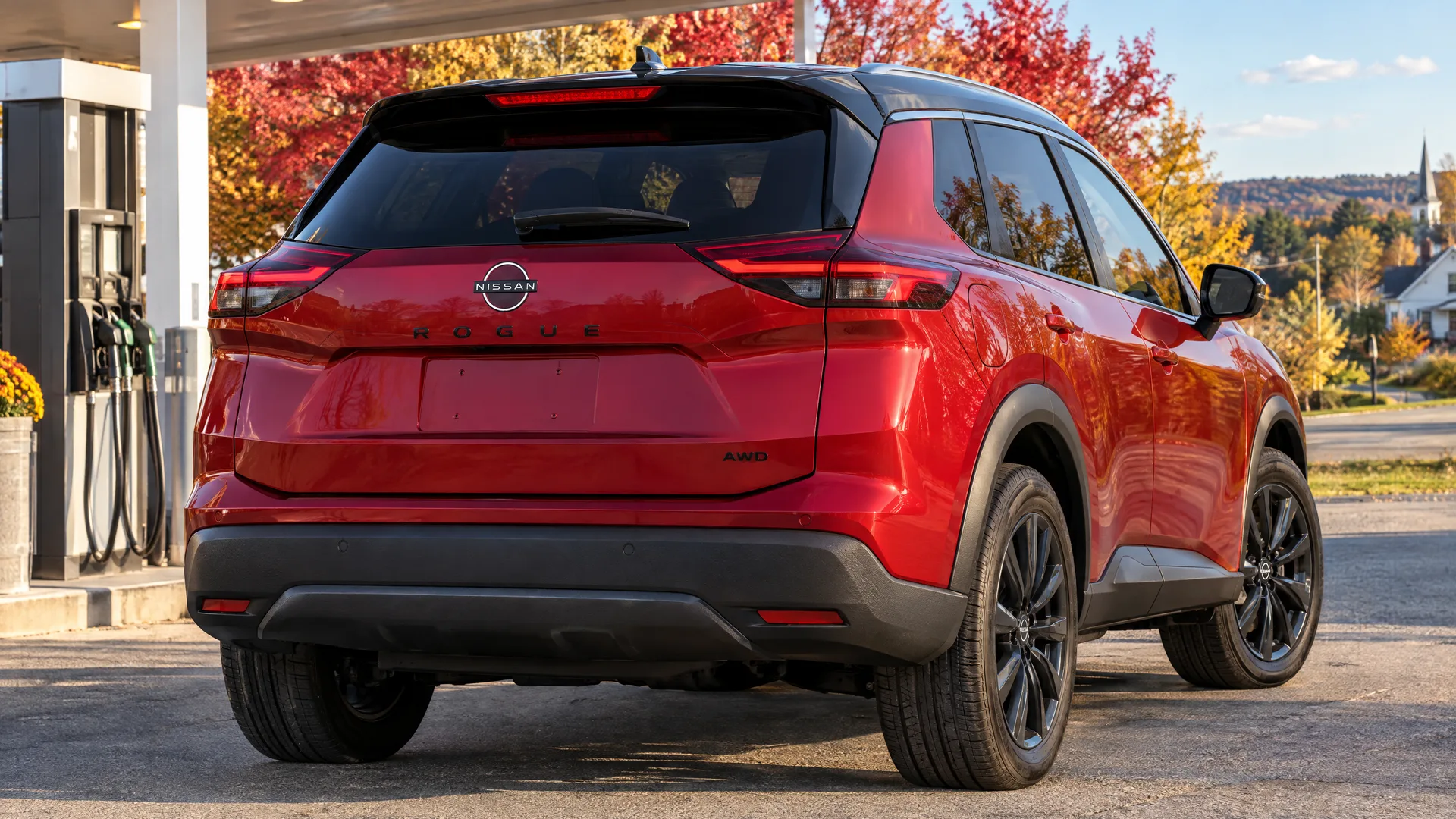
| 2026 Nissan Rogue, gas | 7.4 L/100 km | $2,896 | 14.5¢ |
| 2026 Nissan LEAF S PLUS | 17.3 kWh/100 km | $244 — or $386 in the second block | 1.2 to 1.9¢ |
On the KonaFR and the Kona ElectricFR, both at Hyundai de Magog, the annual energy gap reaches $2,719 at the first-block rate, and $2,571 if all the charging falls in the second block. Between the RogueFR and the LEAFFR, it is $2,652.
One point of honesty: the Kona and the Kona Electric are the same model, so the comparison is clean. The Rogue and the LEAF are not — Natural Resources Canada, incidentally, classes the LEAF among compact station wagons and the Rogue among SUVs. The energy gap is still real; the vehicle, though, is not the same.
And if you drive less? At 15,000 km, the Kona’s gas bill drops to $2,231 and the Kona Electric’s to $192. At 30,000 km, $4,462 versus $384. The more you drive, the more the annual gap grows — that is mechanical, and it is exactly why there is no single verdict.
The two 2026 incentives — one of them is ending
As of , two programs are in effect, and they can be combined. This is recent: the federal government had closed its previous program in March 2025.
| Program | 100% electric | Plug-in hybrid | Deadline |
|---|---|---|---|
| Roulez vert (Quebec) | $2,000 | $500 or $1,000 depending on the battery | ends December 31, 2026 |
| Electric Vehicle Affordability Program (Canada) | up to $5,000 | up to $2,500 | until March 31, 2031, or sooner if the funds run out |
Roulez vert ends on December 31, 2026: the program’s last year, after a reduction from $7,000 in 2024 to $4,000 in 2025, then $2,000 this year. What counts for eligibility is the date of registration in Quebec, not the order date — a delivery that spills into 2027 loses the incentive.
The federal program, for its part, requires that the final transaction value be $50,000 or less, except for a vehicle assembled in Canada, with no cap. Some electric models in the network fall under that threshold, others do not: it is checked vehicle by vehicle, and you should have it confirmed in writing before signing.
Maintenance: what goes away, what stays
This is the item where many unverifiable figures circulate. We will not add any: shop rates vary from one dealership to the next, and an average tells you nothing about your bill.
What is verifiable is the list. A 100% electric vehicle has no engine oil, no spark plugs, no engine air filter and no exhaust system. Regenerative braking recovers energy when slowing down, which wears the brake pads less. What stays the same: tires and rotations, brakes all the same, suspension, brake fluid, cabin filter, wipers, inspections — plus a traction battery covered by a separate warranty.
The right way to put a number on this item: ask your advisor for the maintenance schedule of both vehicles and the price of each visit. Two columns, five years. It is the only figure that will truly be yours.
When gas is still the right choice
The calculation above clearly favours the electric vehicle on cost of use. It does not settle everything, and here are the cases where you should stop before concluding.
- You cannot charge at home. This is the most decisive question, even before range. Without a permanent charger or an accessible outlet, public charging costs more and imposes a daily constraint.
- You drive little. At 8,000 km per year, the annual gap shrinks accordingly, and the purchase price gap takes longer to make up.
- You tow regularly, or you cover long distances in the regions without a planned charge.
- Cold. The official ratings are measured under standardized conditions. In extreme cold, real range drops — a gas vehicle’s consumption goes up too, but less.
In between, a third way that this calculation does not cover: the plug-in hybrid, electric day to day and gas on the road.
Compare the electric vehicles in the network Get my trade-in appraisal Talk to a dealership near me
 Watch the video on YouTube
Frequently asked questions
Are these figures still current?
They were checked on . The electricity rate is set once a year, on April 1; the price of gas changes every week in the Régie de l’énergie reading; consumption ratings change with each model year. If you are reading this later, redo the calculation with today’s values: the method does not change.
Isn’t the purchase price of an electric vehicle higher?
Often, yes — that is why the complete calculation includes the price paid, not just energy. Current prices for each trim are on the model page at the dealership, and the rebates in effect are on the offers page: they change too often to be written in an article.
Do I pay 7.065¢ or 11.142¢ for electricity?
Both, depending on the month. In summer, charging falls almost entirely in the first block. In January, in a home heated with electricity, it falls mostly in the second. Calculate both: you will have your range.
Is it better to buy before Roulez vert ends?
If the $2,000 provincial incentive weighs in your decision, the date that counts is registration in Quebec, not the order. A vehicle ordered in November but registered in January 2027 no longer qualifies. The real delivery time of the model you are after is therefore the real question to ask at the dealership.
Does an ordinary hybrid really use less?
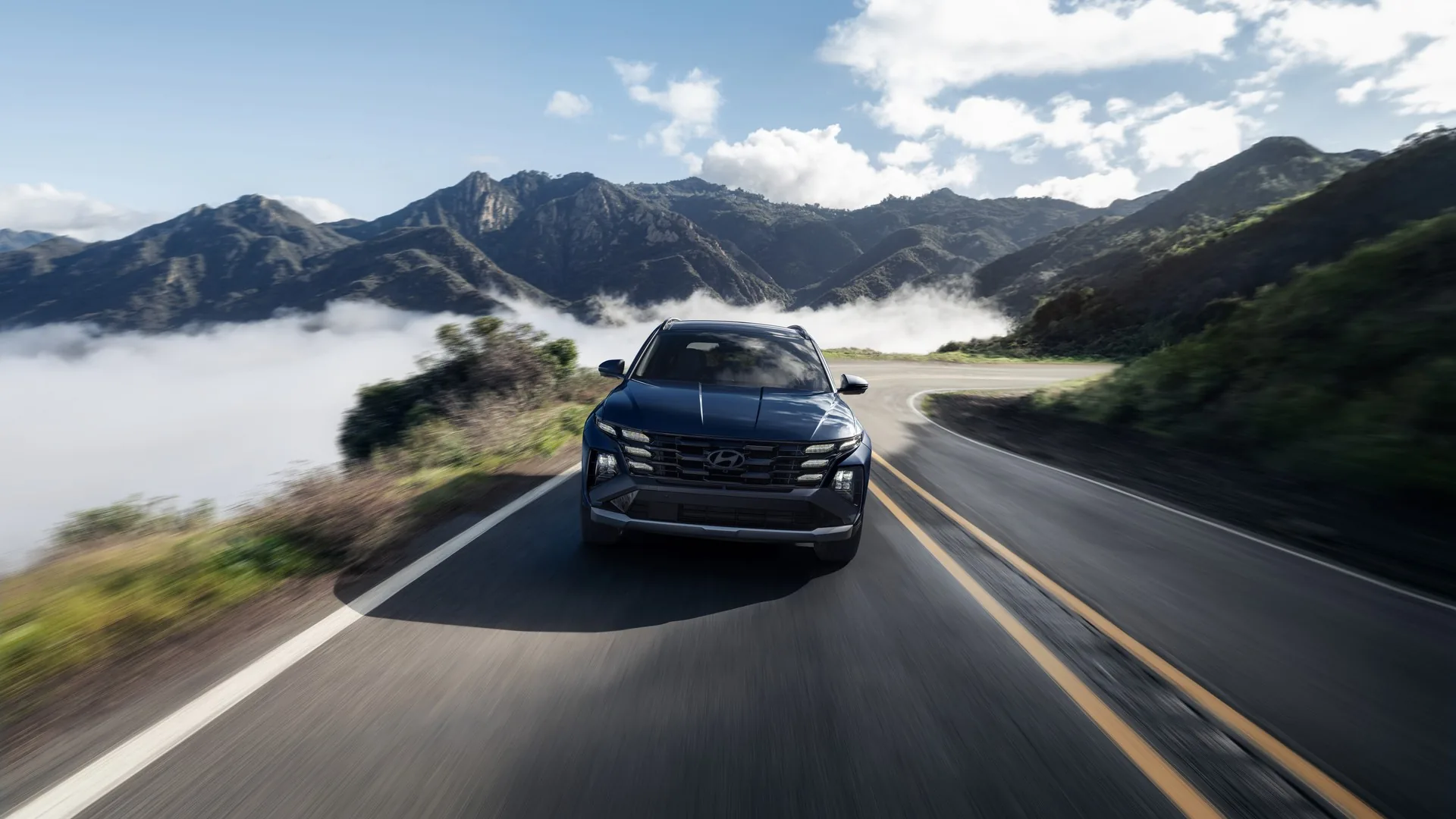
Yes, and it can be checked against the same official ratings: the 2026 Hyundai Tucson with all-wheel drive is rated 8.8 L/100 km in gas versus 6.7 L/100 km as a hybrid. Over 20,000 km at the prices of , $3,444 versus $2,622. And it does not plug in.