See the new vehicles in the network
In brief: the ranking by maximum volume
Every figure below comes from the manufacturer’s Canadian website, never from a magazine or a comparison site. Each one carries the exact configuration it corresponds to, worded here in our own words (only Kia’s labels are quoted). When that configuration is not named at the source, we say so instead of guessing it.
About prices. These are the starting prices checked on from the network’s dealership websites. Set by the manufacturers, they change without notice, and each model’s page carries the current price. When a model shows no price online, the cell stays empty rather than being filled with an estimate.
| Rank | Model | Maximum volume | Configuration | Starting at |
|---|---|---|---|---|
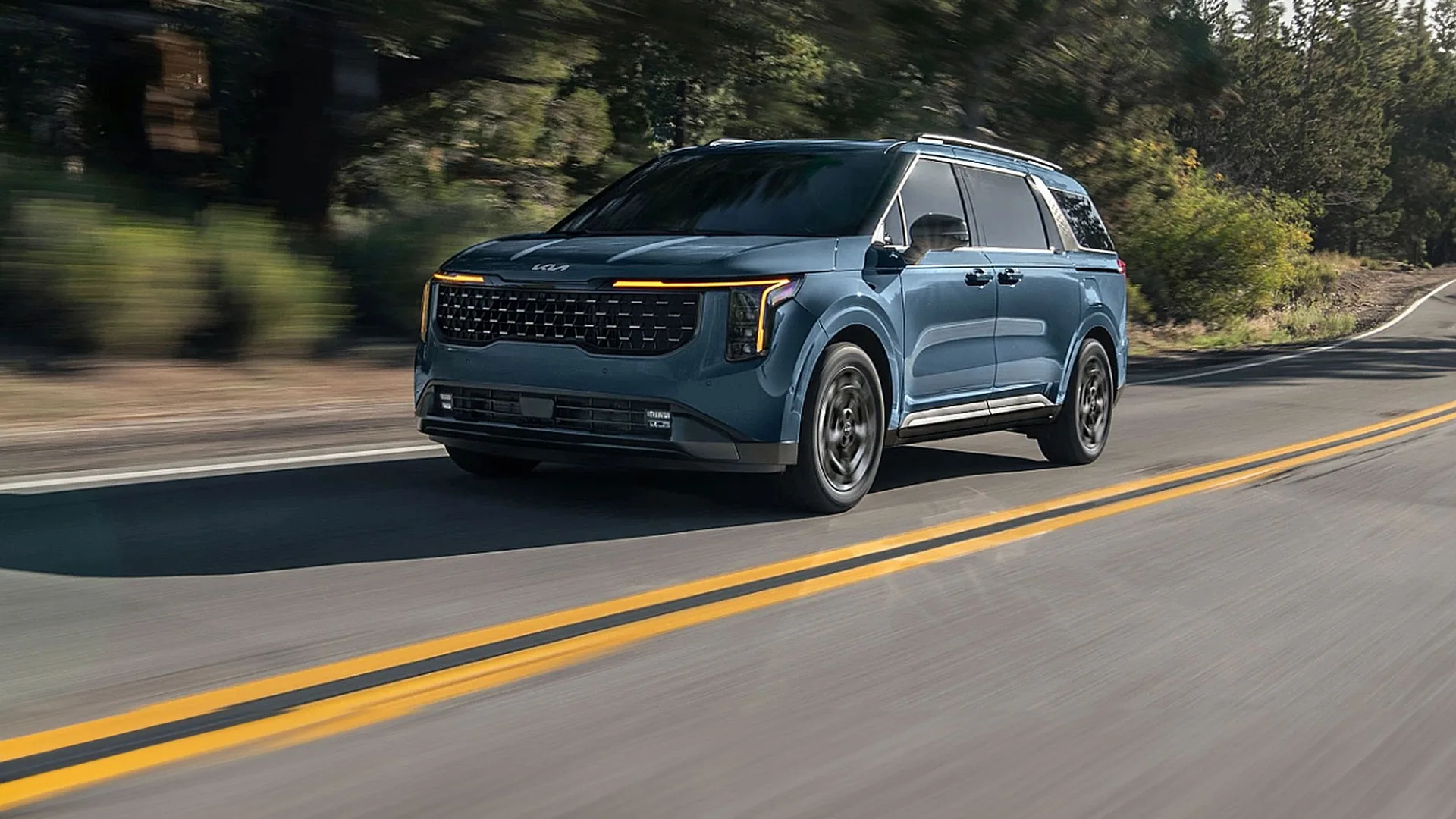
| 1 | 2026 Kia CarnivalFR | 4,110 L | Maximum volume, rows not specified | $45,451.50 (as of September 23, 2026) |
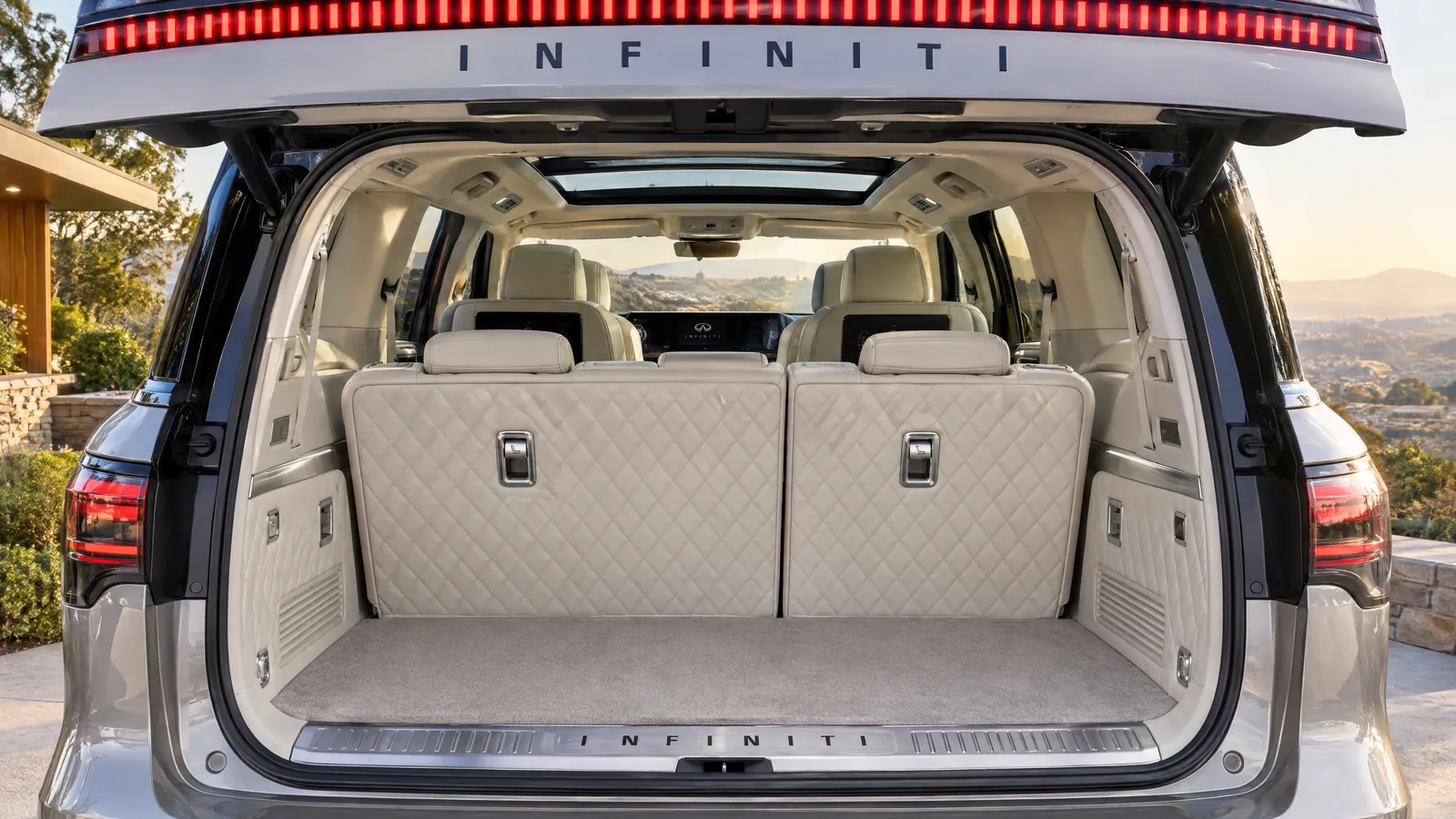
| 2 | 2026 INFINITI QX80 | 2,860 L | 2nd and 3rd rows folded | see the model page |
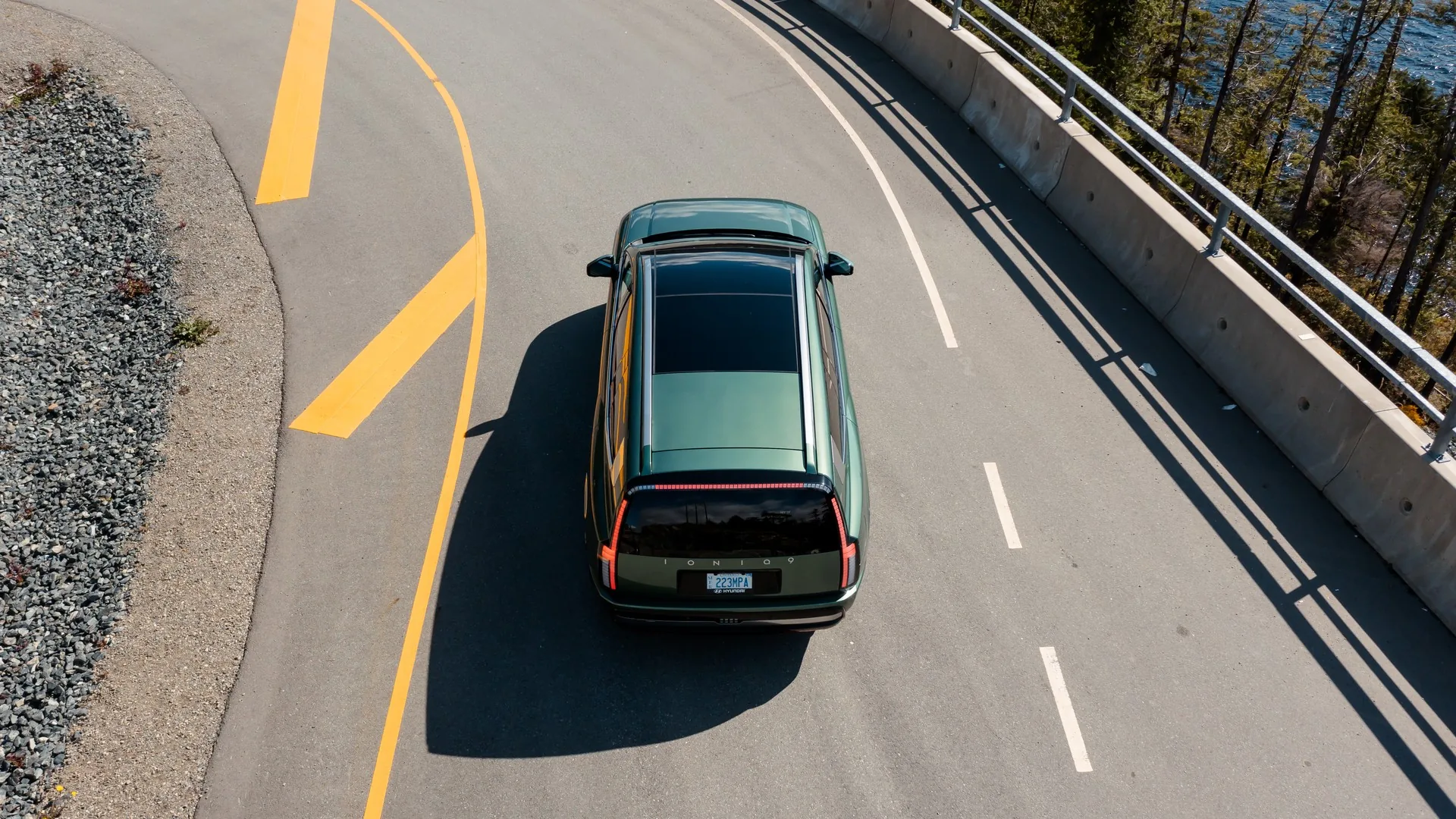
| 3 | 2026 Hyundai IONIQ 9FR | 2,462 L | behind the front seats | $63,116.00 (as of September 23, 2026) |
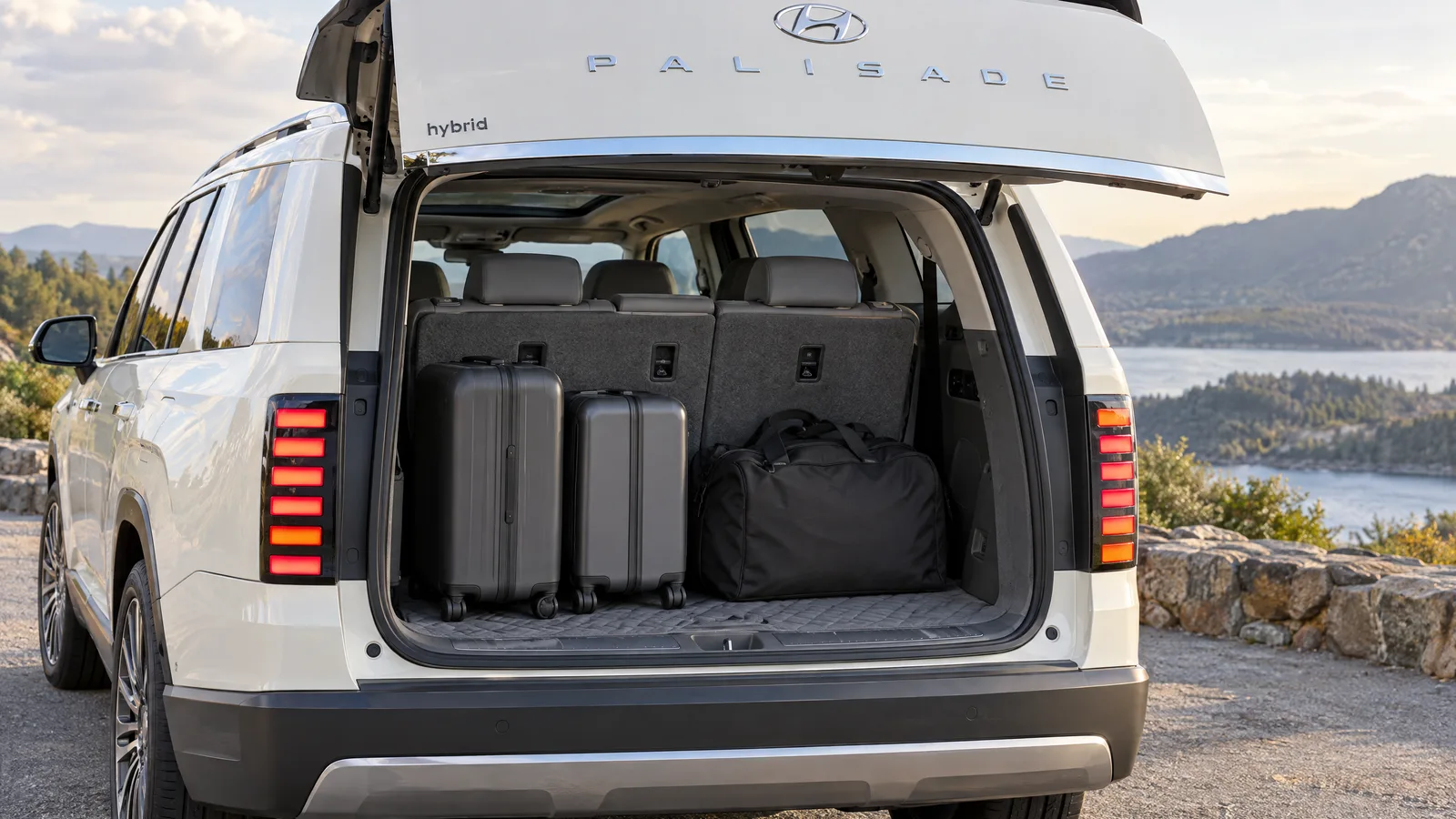
| 4 | 2026 Hyundai PalisadeFR | 2,455 L | behind the front seats | $57,020.50 (as of September 23, 2026) |
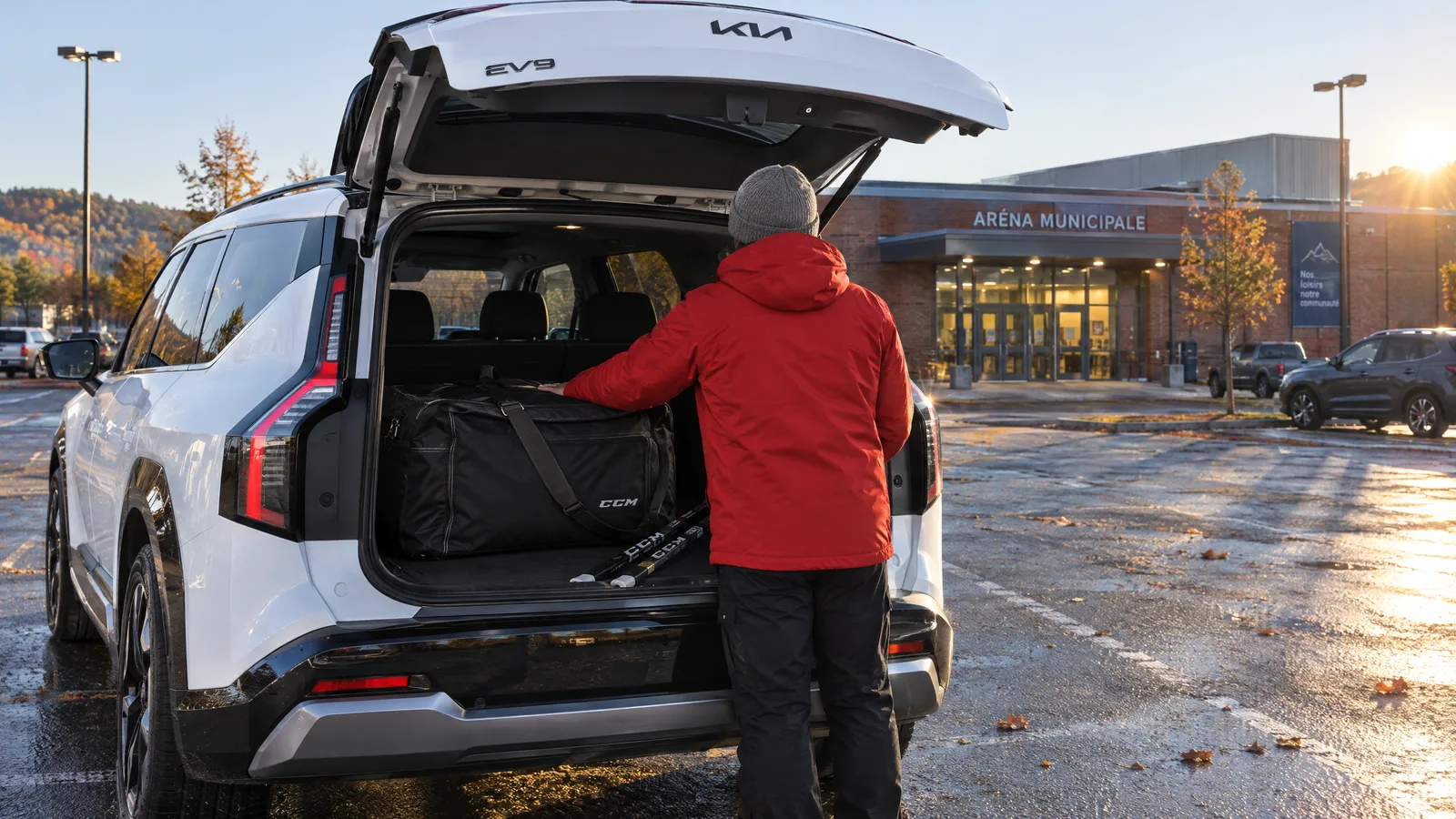
| 5 | 2026 Kia EV9FR | 2,314 L | behind the 1st row | $62,298.00 (as of September 23, 2026) |
| 6 | 2026 Nissan PathfinderFR | 2,280 L | no configuration specified | see the model page |
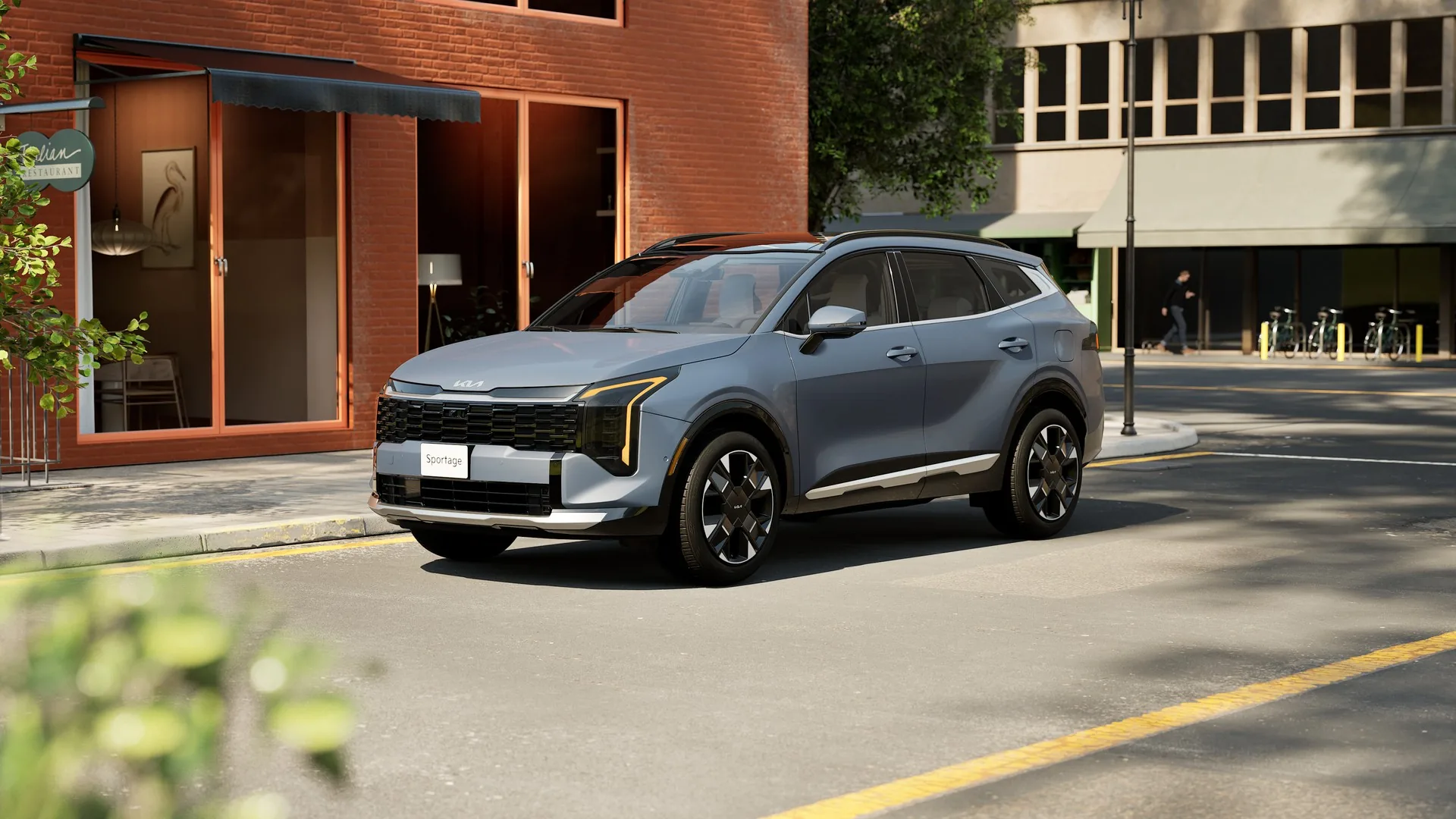
| 7 | 2026 Kia Sorento HybridFR | 2,139 L | behind the 1st row | $46,651.50 (as of September 23, 2026) |
| 8 | INFINITI QX60 | 2,135 L | 2nd and 3rd rows folded; figure contradicted elsewhere | see the model page |
| 9 | 2026 Mazda CX-90FR | 2,101 L | behind the front seats | see the model page |
| 10 | 2026 Nissan RogueFR | 2,098 L | 2nd row folded, without sunroof | see the model page |
| 11 | 2026 Mitsubishi OutlanderFR | 1,822 L | behind the front seat | $39,443.16 (as of September 23, 2026) |
The price shown includes freight and pre-delivery inspection (PDI). Taxes and registration are extra. It is the price of the model’s least expensive trim, checked on .
Two things stand out. The first: the Nissan Rogue, a two-row compact, comes out practically level with the Kia Sorento, a seven-seater. The second: at Nissan, the Rogue’s sunroof costs 34 litres, 2,064 L instead of 2,098 L. It is the same vehicle measured by the same manufacturer, so that gap is meaningful.
The figure that counts: behind the 3rd row
A maximum volume is measured with the seats folded, so with two or five fewer seats. For a family of six or seven going on vacation, the real question is: how much is left when everyone is seated? The ranking changes completely.
| Model | Behind the 3rd row |
|---|---|
| 2026 Kia Carnival | 1,139 L, published as the minimum volume |
| 2026 INFINITI QX80 | 623 L |
| 2026 Hyundai IONIQ 9 | 620 L |
| 2026 Nissan ArmadaFR | 578 L, no configuration specified |
| 2026 Kia EV9 | 573 L |
| 2026 Hyundai Palisade | 540 L |
| 2026 Mazda CX-90 | 423 L |
| INFINITI QX60 | 411 L |
| 2026 Mitsubishi Outlander PHEVFR | 362 L |
| 2026 Kia Sorento Hybrid | 357 L |
| 2026 Mitsubishi Outlander | 308 L |
| 2026 Nissan Pathfinder | not published |
The gap is enormous. The Carnival keeps 1,139 litres, its minimum volume, meaning with every seat in use, nearly double the QX80 and more than three times the Sorento Hybrid. A seven-seat SUV, for its part, leaves on average the equivalent of two or three carry-on suitcases behind the last bench seat. That is the difference between leaving as seven with the luggage and leaving as seven with a roof box.
Why these figures can’t be compared perfectly
Here is what checking page by page showed: none of the six manufacturers publishes its measurement method. We looked for the SAE J1100 standard, the industry’s usual reference, across all the pages collected: zero mentions. None of them says either whether the volume is measured up to the roof or up to the top of the seatbacks.
The honest consequence: two figures from two different brands are not provably comparable. A gap of 20 or 40 litres between two models from different brands means nothing. A gap of 1,000 litres, on the other hand, remains perfectly readable, and that is why the table is read in orders of magnitude, not to the litre.
The labels themselves don’t match. On kia.ca, the Carnival’s figures are labelled “Maximum cargo volume” and “Minimum cargo volume”, without naming a single row, while the EV9 and the Sorento are given behind the 3rd row. Hyundai and Mazda count it behind the front seats. INFINITI says 2nd and 3rd rows folded. These are probably the same configurations, but probably is not proven.
What the manufacturers don’t publish
Three gaps are worth naming, because they explain why some figures circulating online are wrong.
- Nissan Pathfinder: published in cubic feet only. The specifications sheet gives 80.5 cu ft, without saying for which configuration. The features page gives the same volume in litres, 2,280 L, again without a configuration. Neither the volume behind the 3rd row nor the one behind the 2nd is published.
- Nissan Armada: nothing on the specifications sheet. It gives the total interior volume and the fuel tank capacity, not the cargo volume. The 578 L in the table comes from the interior gallery page, as an up-to figure, without a configuration.
- Kia Carnival Hybrid: no volume published. The gas version publishes two, the hybrid none. Same body, same liftgate, and yet not a single figure. The Carnival Hybrid is offered starting at $51,397.00 (as of September 23, 2026).
Three figures widely repeated online did not survive verification, so we do not publish them: 2,447 L for the Palisade (that is the previous generation; the current page says 2,455 L); 2,701.8 L for the Armada, which cannot be found on the Nissan Canada site; and 2,129 L for the CX-90, which is the 2025 figure while the 2026 page says 2,101 L.
Finally, a contradiction we do not settle: for the INFINITI QX60, the specifications sheet gives 2,135 L with the seats folded, while an article on the INFINITI Canada blog mentions 2,159 litres. Twenty-four litres apart, two official pages from the same brand. The blog does not date its figure: it may refer to an earlier model year.
Which size for which use
You carry people AND luggage at the same time. The minivan wins, and by a wide margin. Behind its third row, the Carnival offers roughly what a mid-size SUV offers behind its second. The trade-off is that it only comes in front-wheel drive.
You need seven seats and all-wheel drive. There, the QX80, the IONIQ 9, the EV9, the Palisade and the Pathfinder become the candidates, with the Sorento Hybrid and the Outlander in a more compact size. The third row serves mostly as a backup.
You are two or four people and often carry long items. Look at floor length rather than volume. The Rogue lists 1,828 mm between the liftgate and the front seats, with the bench seat folded. No litre figure tells you whether an 8-foot board fits.
 Watch the video on YouTube
Frequently asked questions
Are these prices still current?
They were checked on from the network’s dealership websites. These are starting prices set by the manufacturers, subject to change without notice. The model’s page carries the current price, and it is the one that prevails.
Why do some models have no price in the table?
Because their dealership websites don’t show one. We leave the cell empty and point to the model page rather than publish an estimate.
Why isn’t the Nissan Armada in the first table?
Because Nissan Canada does not publish its maximum cargo volume. It is in the second table with the only figure the brand publishes, and a note that the configuration is not specified. A large SUV missing from a ranking does not have a small cargo area: it has one that has not been publicly measured.
What does a litre of cargo space represent?
A milk crate holds about 30 litres. A standard carry-on suitcase, around 40. A junior hockey bag, between 80 and 120 depending on the model. The Carnival’s 1,139 litres of minimum volume are therefore worth roughly ten hockey bags, and volume says nothing about the shape of the cargo area, which often decides the rest.
Browse the new vehicles in the network See current offers Appraise my current vehicle Choose my dealership