In brief
AWD (all-wheel drive) and all-wheel drive are the same thing: a system that can send power to all four wheels and divides it by itself, without you having to do anything. The classic 4x4, or four-wheel drive (4WD), as Hyundai Canada describes it, sends identical power to both axles, and the driver is the one who engages it. Some systems sold under the 4x4 name do, however, work automatically. For winter on the road, Hyundai Canada considers all-wheel drive preferable to front-wheel drive or rear-wheel drive. It does not replace winter tires, mandatory in Quebec from December 1 to March 15.
| Term | What it means | Example in the network |
|---|---|---|
| All-wheel drive, AWD | All four wheels can be driven; the system watches the road and adjusts torque on its own | i-Activ all-wheel drive (Mazda), HTRAC (Hyundai) |
| 4x4, four-wheel drive, 4WD | In its classic form: identical power to both axles, engaged by the driver; to be avoided on dry pavement | Designed first for deep snow and off-roading |
| Full-time all-wheel drive | All four wheels receive power at all times | 4MATIC permanent all-wheel drive (Mercedes-Benz) |
| Variable or on-demand all-wheel drive | Runs mostly on two driven wheels and sends power to the other axle when needed | 4MATIC variable all-wheel drive (Mercedes-Benz) |
| Dual-motor electric all-wheel drive | All-wheel drive relies on two electric motors | e-4ORCE (Nissan ARIYA) |
See the models in the network with standard all-wheel drive
All-wheel drive and 4x4: what changes
Both systems can turn all four wheels. What sets them apart is how the power is shared, and who decides.
The manually engaged 4x4 sends identical power to both axles and locks the speed of the front and rear wheels together, explains Hyundai Canada in its guide to traction systems. It does not activate on its own: the driver engages it. This locking is a problem in a turn on a dry, hard surface, where each wheel has to turn at a different speed. Hyundai therefore strongly recommends not activating it on dry pavement. According to Hyundai Canada, the manually engaged 4x4 is made for snow, ice and off-roading: mud, dirt, rocks. It is also generally heavier, and a 4x4 vehicle generally uses more fuel, all else being equal.
All-wheel drive monitors conditions continuously and adjusts torque between the axles accordingly; according to Hyundai Canada, many systems can also meter power wheel by wheel. Modern systems can drive only the front or rear wheels when the road is good, to save fuel, then call on all four wheels as needed. Since power is not locked between the axles, it suits road driving well, including in turns.
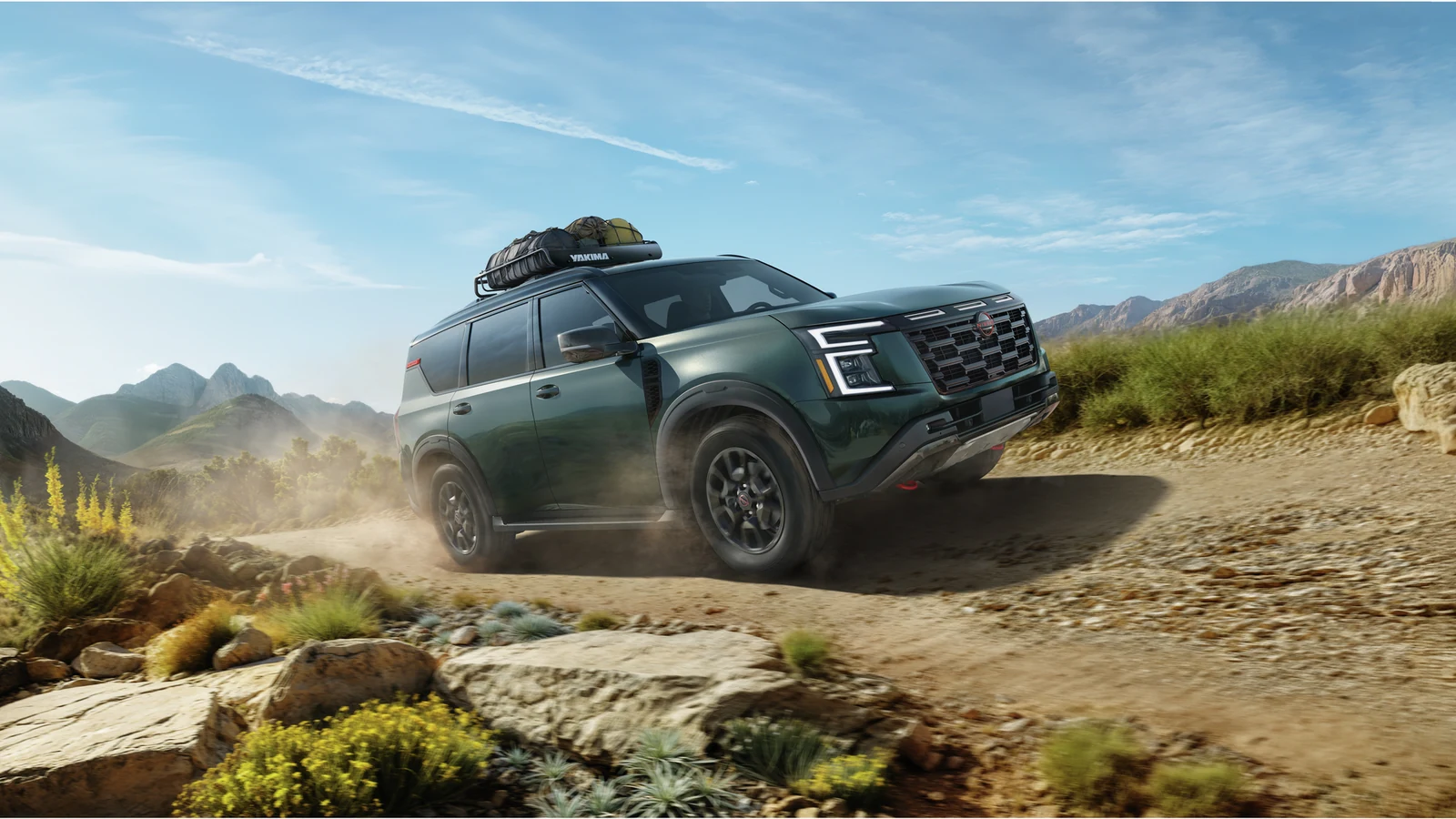
AWD, 4WD, 4x4: read the label with care
Acronyms do not always follow the manual’s definition. Two examples gathered on October 4, 2026:
- On its French-language CX-5 page, Mazda Canada shows a mention meaning “4WD standard” under each trim, even though the system is called i-Activ all-wheel drive and works automatically.
- Nissan Canada speaks of the Pathfinder’s “Intelligent 4x4 system.”
The commercial name is therefore not enough to know how a system behaves. Two questions to ask at the dealership: does the system engage by itself or with a button? Can it be left engaged on dry pavement?
Full-time or on demand: two ways of working
Not all all-wheel drives work the same way. Mercedes-Benz Canada gives a good example, because it describes two different 4MATIC systems:
- 4MATIC variable all-wheel drive automatically shifts from front-wheel drive on the most stable roads to an equal split of power between front and rear when conditions worsen. Mercedes associates it with high fuel efficiency.
- 4MATIC permanent all-wheel drive is always active, with a fixed torque split. When it detects slippery conditions, it redistributes power to the wheel on each axle that is turning the slowest.
Other brands try to combine the two approaches. Mazda writes that i-Activ all-wheel drive is active at all times and monitors vehicle dynamics in real time, unlike systems that react only when a wheel slips. Hyundai describes HTRAC as a system that runs in front-wheel or rear-wheel drive when conditions allow, and sends torque to all four wheels as needed.
For our more complete article on this system, see the Mercedes-Benz 4MATIC system explainedFR.
The systems of the network’s brands
Five manufacturers in the network describe their system on their Canadian website, gathered on October 4, 2026. The full list of models that have it as standard is in our article on standard all-wheel drive in the network.
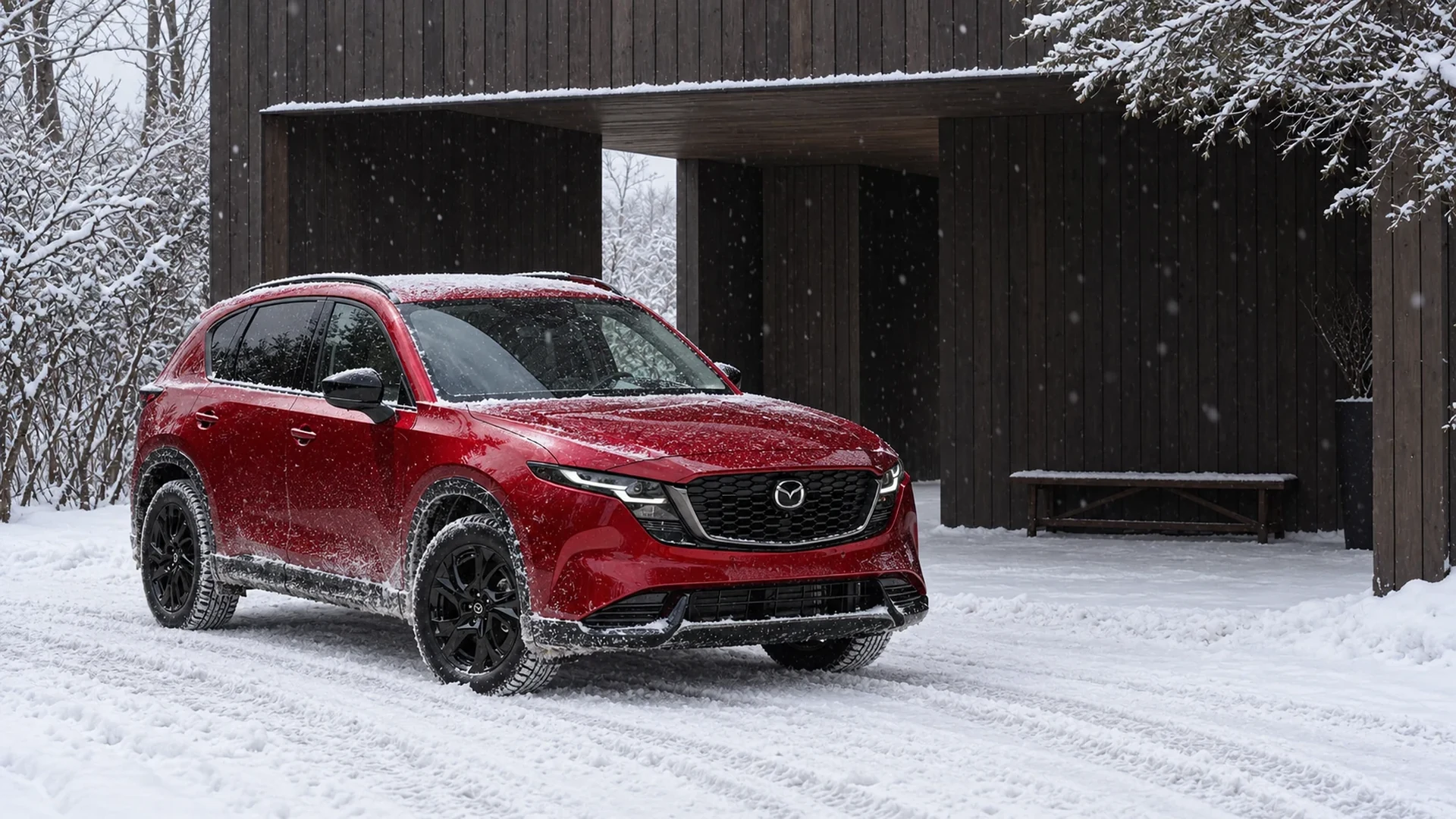
Mazda: i-Activ all-wheel drive
Mazda Canada indicates that all its compact SUVs, including the CX-5, are equipped with i-Activ all-wheel drive as standard. The system detects variations in load on the wheels, even ones the driver would not notice, and automatically adjusts the torque split.
See the Mazdas with i-Activ all-wheel drive at our dealerships: Sherbrooke · Granby · Magog · Saint-Hyacinthe
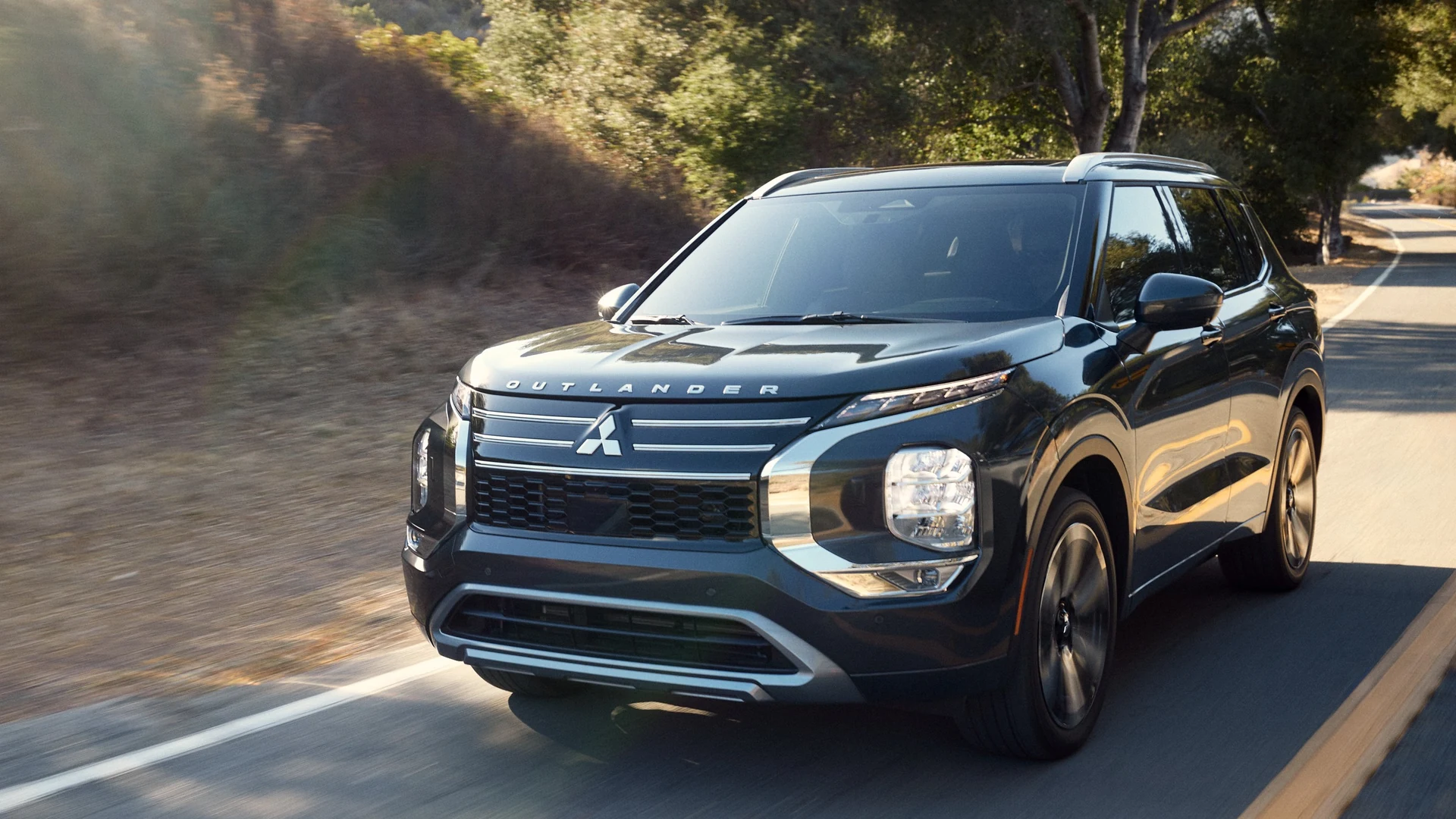
Mitsubishi: Super All-Wheel Control (S-AWC)
S-AWC is one of the most advanced all-wheel drive systems in the industry. Mitsubishi developed it from its rally experience, on the Lancer Evolution, then brought it to its SUVs. It integrates vehicle information and sends instructions to each wheel, continuously, according to Mitsubishi Canada: it manages acceleration, cornering and braking together, instead of reacting only when a wheel slips.
Its particularity: active yaw control (AYC). The system distributes force not only between front and rear, but also between the left and right wheels. In a snowy curve, the vehicle follows the intended line better, which inspires confidence when the road changes without warning.
The Outlander, the Outlander PHEV and the Eclipse Cross offer a Snow mode, according to Mitsubishi Canada. On the Outlander PHEV, two electric motors, one at the front and one at the rear, provide the all-wheel drive: force reaches the wheels instantly, with no driveshaft between the axles.
See the Mitsubishis with S-AWC at our dealerships: Granby · Drummondville
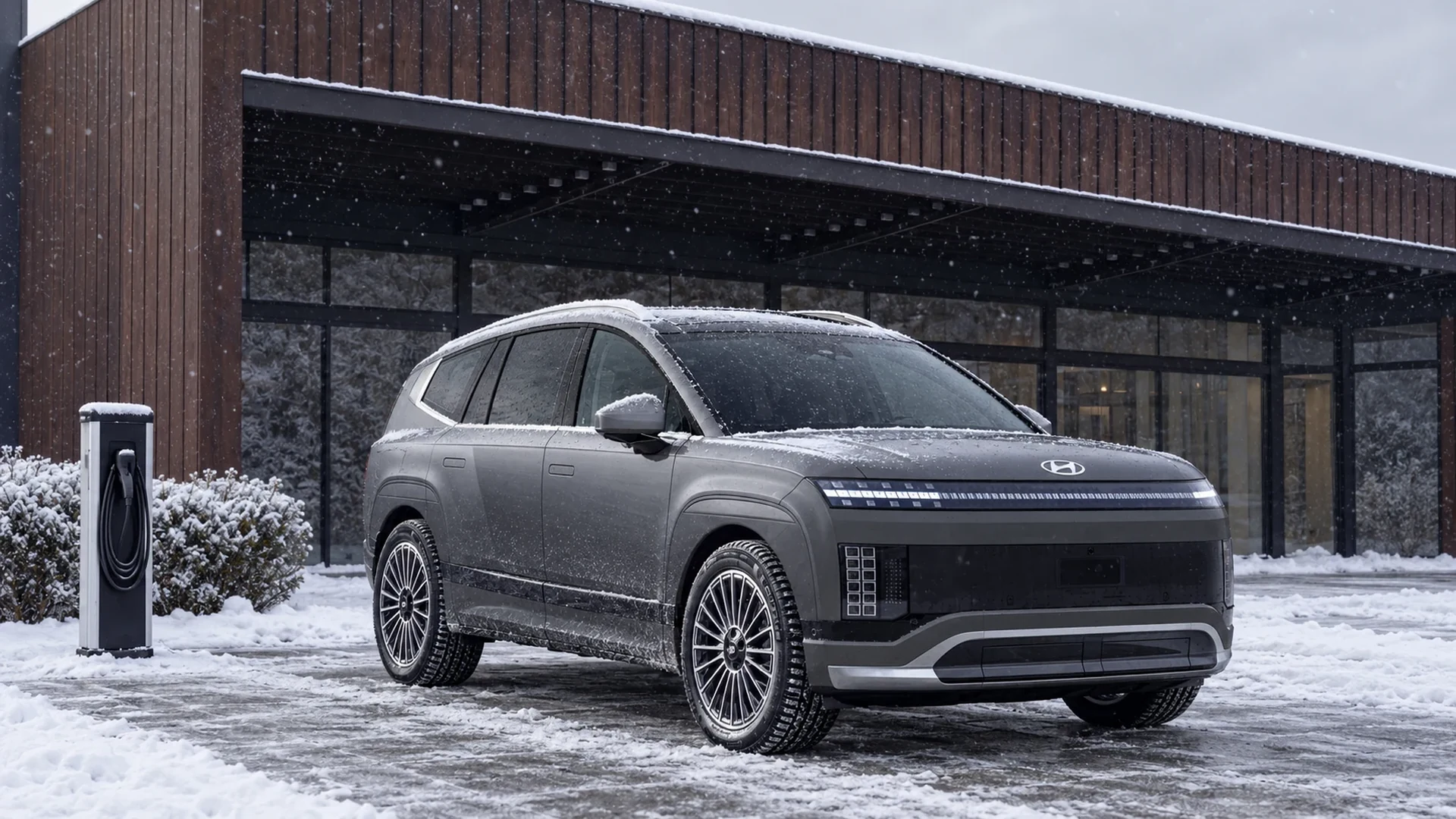
Hyundai: HTRAC
The name stands for “Hyundai TRACtion.” According to Hyundai Canada, the system monitors more than 50 vehicle parameters more than 100 times per second to calculate each wheel’s torque. Depending on the model and trim, Mud, Snow and Sand terrain modes are added. Hyundai indicates that all trims of the Tucson and the Palisade are equipped with it.
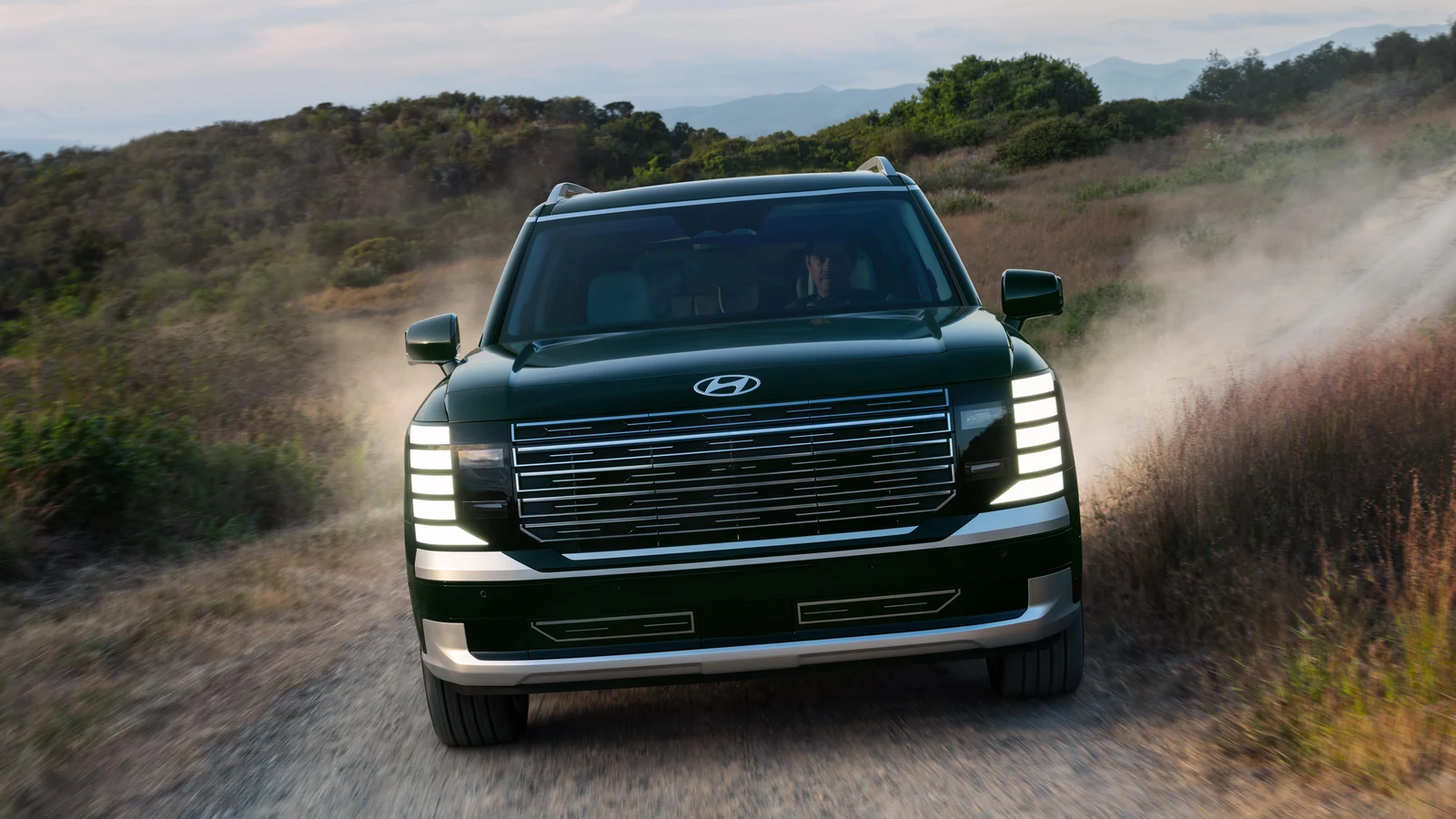
See the Hyundais with HTRAC at our dealership: MagogFR
Mercedes-Benz: 4MATIC
Depending on the model, the brand offers the variable or the permanent version described above, and 4MATIC Performance versions for the Mercedes-AMG models.
See the Mercedes-Benz 4MATIC models at our dealership: Sherbrooke
Nissan: e-4ORCE on the ARIYA
The ARIYA is offered in front-wheel drive or with the dual-motor e-4ORCE all-wheel drive, which Nissan Canada aims at winter and difficult road conditions. It is an example of electric all-wheel drive: it relies on two motors.
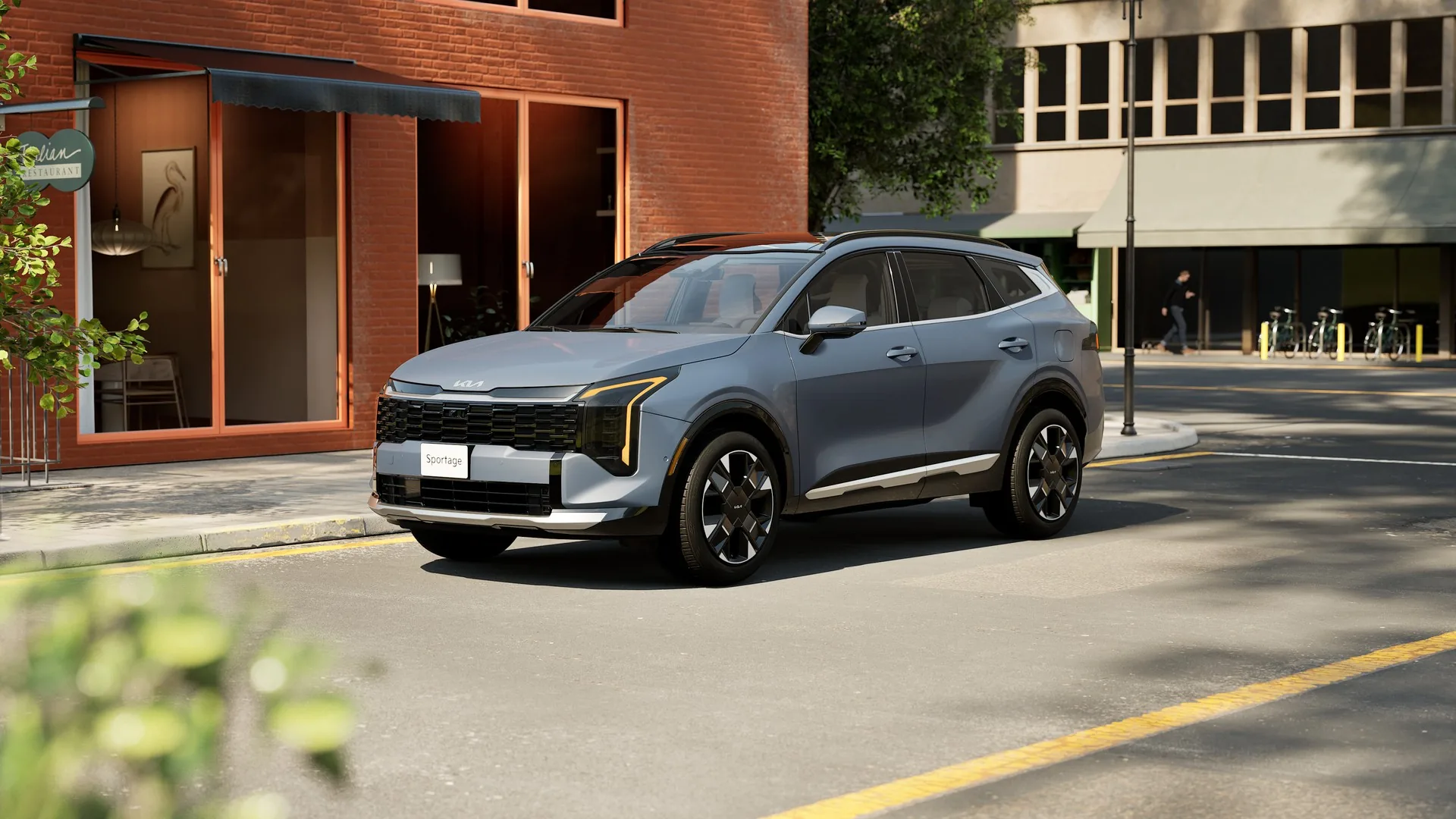
Kia, Genesis, Volvo and INFINITI are not detailed here. For Kia and INFINITI, our article on standard all-wheel drive specifies the names; for the others, the dealership will confirm the system on each trim.
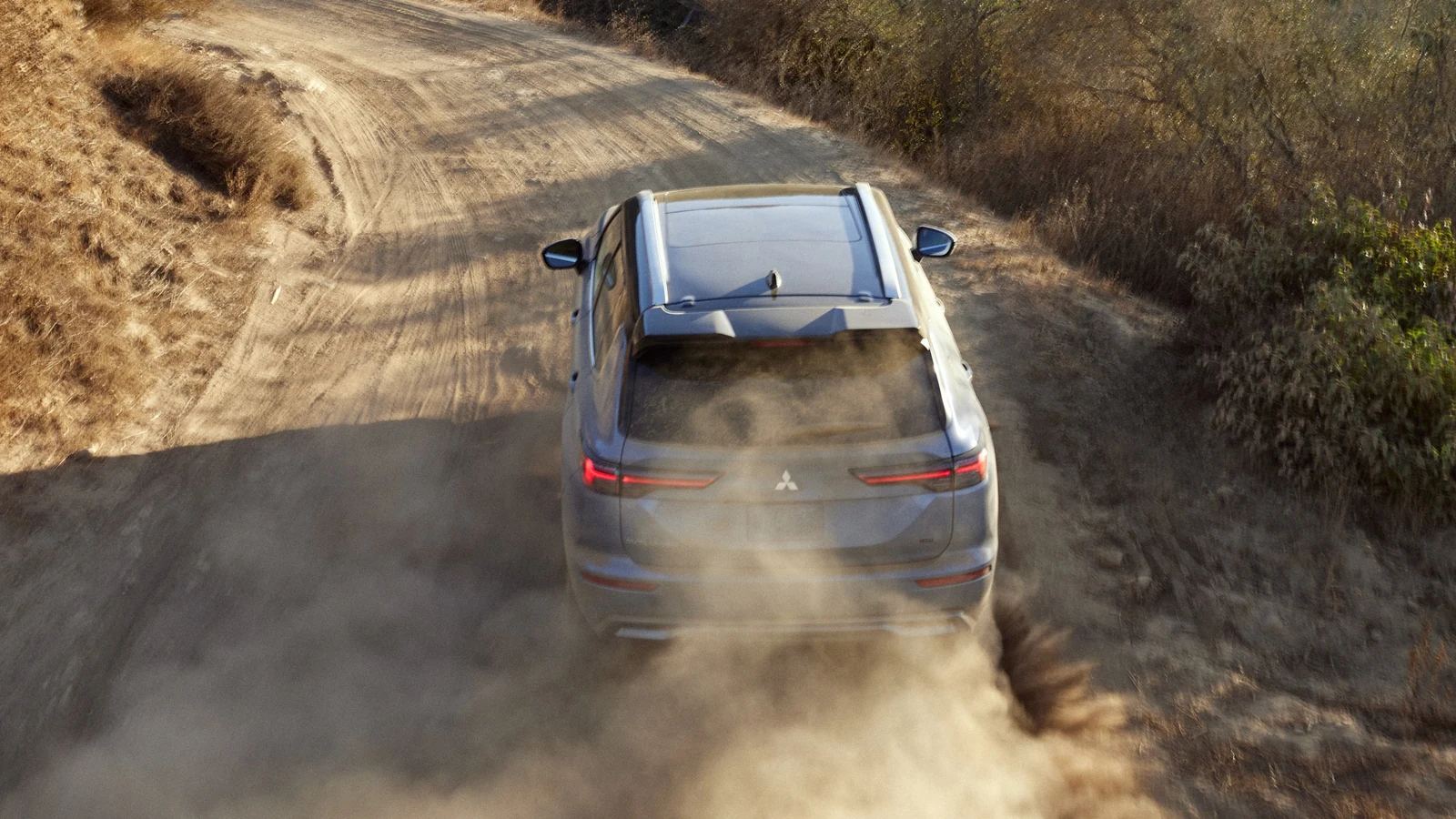
See the Nissans with all-wheel drive at our dealerships: Sherbrooke · Granby · Saint-Hyacinthe · Drummondville · Victoriaville
Which one to choose for winter in Quebec?
For most drivers who travel on cleared roads, in the city as in the country, all-wheel drive is the logical choice. Hyundai Canada considers it preferable to front-wheel drive or rear-wheel drive in snow, because the extra traction helps keep control of the vehicle. It requires no action: it works when a wheel starts to slip, or before, depending on the system.
The manually engaged 4x4 keeps its usefulness for deep snow, uncleared roads and off-roading. If you do not need it, the extra weight and fuel consumption bring you nothing day to day.
In both cases, one rule does not change: traction does not replace winter tires. Hyundai says so in its guide. In Quebec, they are mandatory from December 1 to March 15 on motorized road vehicles registered in Quebec, with a few exceptions such as heavy vehicles, and a compliant tire carries the mountain and snowflake pictogram, or studs. A fine of $200 to $300 is provided for in case of an offence.
Three questions to guide you:
- Is your driveway or street sloped, or cleared late in the morning? All-wheel drive will help you mostly when pulling away and going uphill.
- Do you drive on private roads, country roads or trails that nobody clears? Look at a system capable of real off-roading, and ask whether it engages manually.
- Is your current vehicle front-wheel drive? With good winter tires, it remains usable; all-wheel drive will mostly help you move forward where it slips today.
Browse the new vehicles in the network Choose my dealership Appraise my current vehicle
Frequently asked questions
Are AWD and all-wheel drive the same thing?
Yes. AWD is the abbreviation of all-wheel drive. Each brand adds its own commercial name: i-Activ, HTRAC, S-AWC, 4MATIC, e-4ORCE.
Is a 4x4 better than all-wheel drive in winter?
Not on a cleared road. The manually engaged 4x4 is designed for deep snow, ice and off-roading, and Hyundai Canada recommends not activating it on dry pavement. For a city and highway winter, automatic all-wheel drive is simpler to live with.
Can a 4x4 be left engaged on dry asphalt?
Hyundai Canada strongly advises against it for systems that lock both axles: in a turn, the driveline is stressed in ways that can hurt handling and damage the vehicle. Your model’s owner’s manual is the authority.
Are winter tires mandatory even with all-wheel drive?
Yes. The requirement from December 1 to March 15 applies to motorized road vehicles registered in Quebec, whatever their traction, including leased vehicles. Heavy vehicles and a few other cases are exempt.
Can an electric vehicle have all-wheel drive?
Yes. Several electric vehicles are offered in a dual-motor version. At Nissan, the ARIYA is offered with dual-motor e-4ORCE all-wheel drive; other versions are front-wheel drive.
What system does the 2026 Mazda CX-5 have?
i-Activ all-wheel drive, standard on all trims, with the 2.5 L Skyactiv-G engine, according to Mazda Canada.