Our answer in 20 seconds
- City driving, five seats: the RVRFR.
- Five seats and a small trailer: the Eclipse CrossFR.
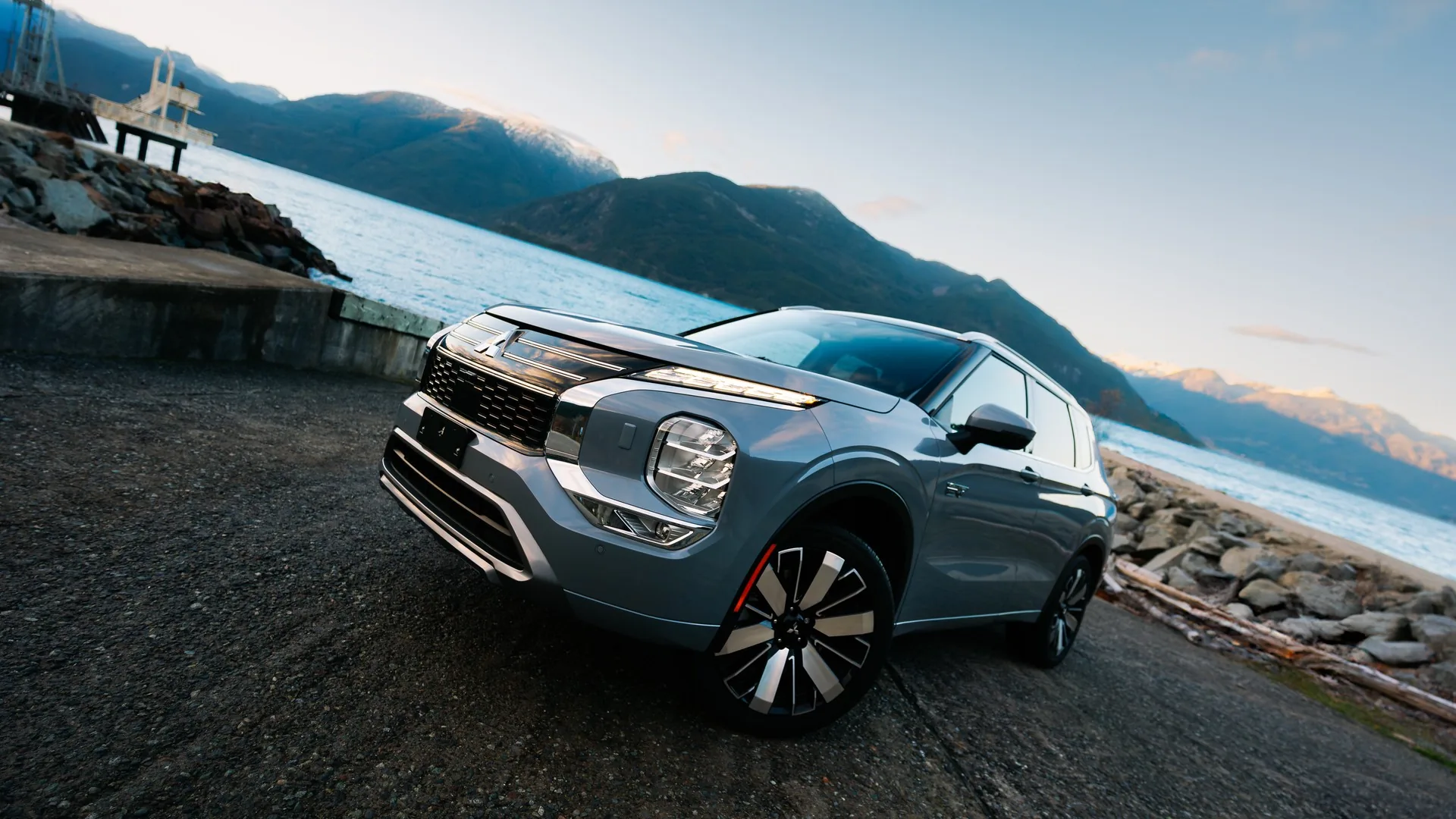
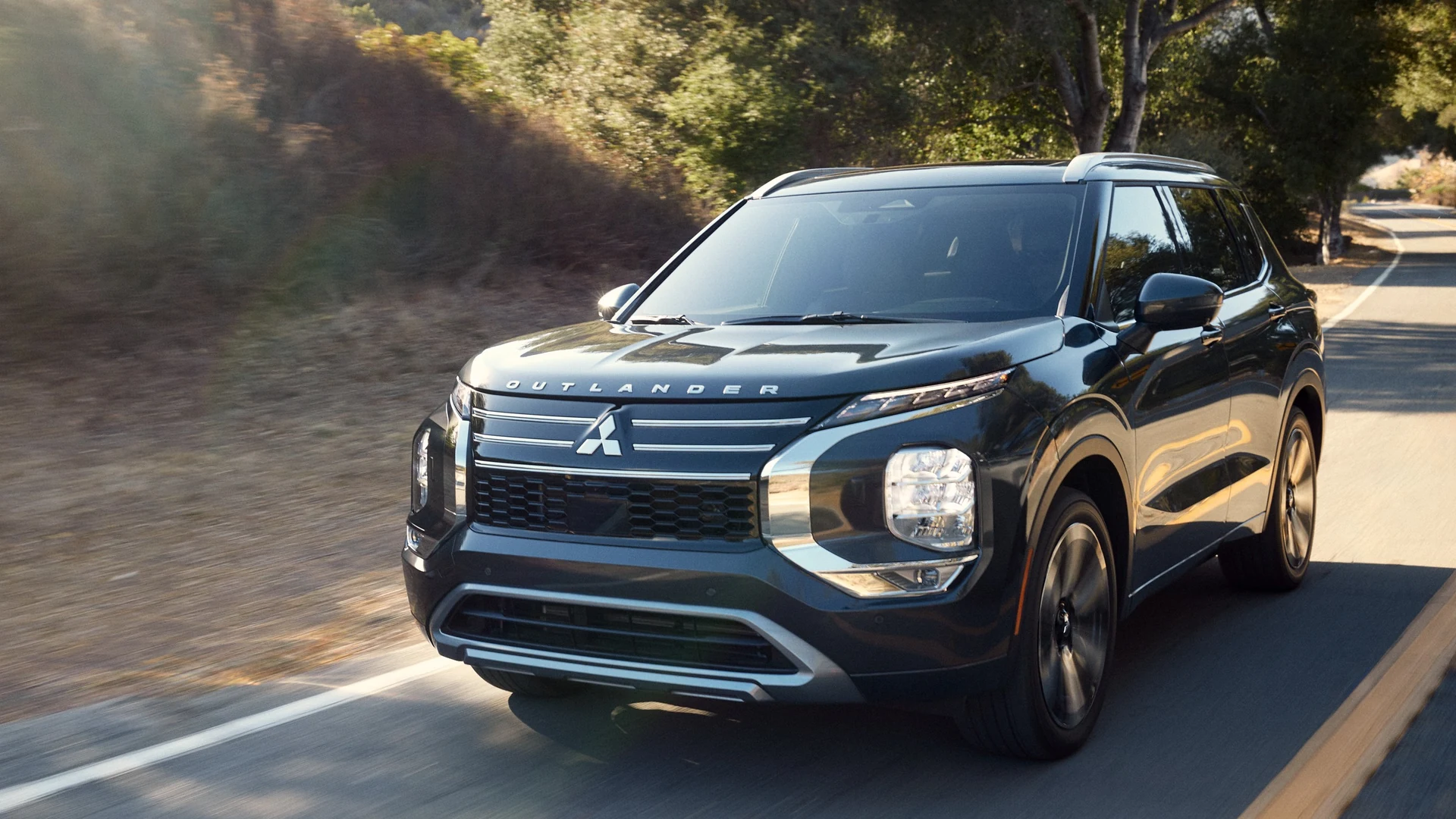
- Two more seats, without regular charging: the OutlanderFR.
- Two more seats, with charging every day: the Outlander PHEVFR.
| Model | Seats | Drivetrain | Towing | Plug |
|---|---|---|---|---|
| RVR | 5 | Front-wheel drive or AWC | Not published | No |
| Eclipse Cross | 5 | S-AWC | 680 kg with five, 907 kg with two | No |
| Outlander | 5+2 | S-AWC | 907 kg | No |
| Outlander PHEV | 5+2 | S-AWC | 680 kg | Yes |
Sources: Mitsubishi Canada model pages, 2026 model year, checked on .
RVR or Eclipse Cross: front-wheel drive or S-AWC
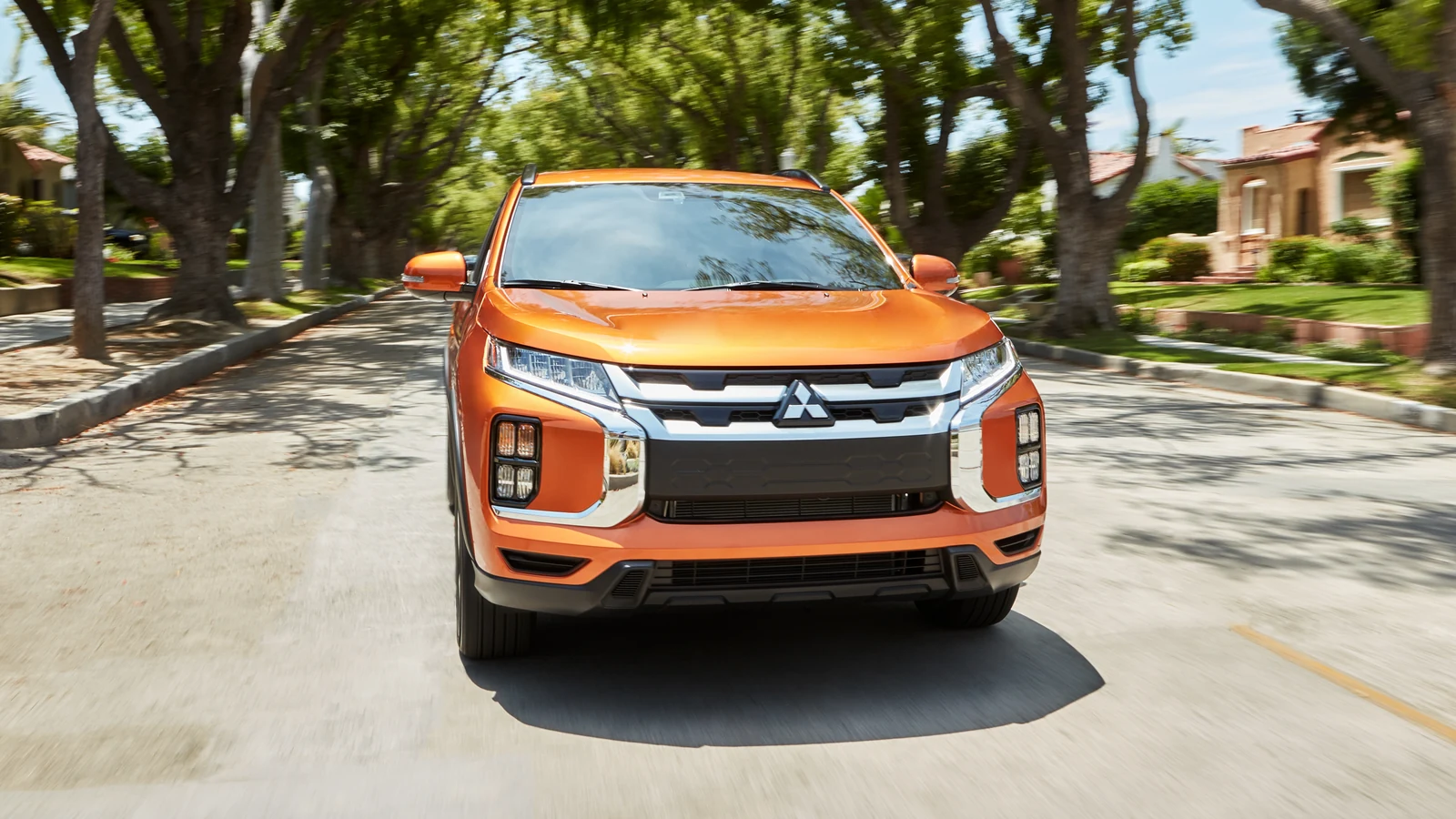
The RVR measures 4.37 m; the Eclipse Cross, 4.55 m. Those 18 cm matter in a tight parking spot. The cargo volumes are close: 614 litres behind the RVR’s rear seat, against 663 in the Eclipse Cross. The rest is decided under the hood and between the wheels.
Our verdict. City driving with no trailer: RVR ES, with good winter tires. Sloped driveway or a road that ices over: RVR SE AWC. Small trailer: Eclipse Cross, the only one of the two with a published capacity.
The RVR keeps naturally aspirated engines: a 2.0 L making 148 hp on the ES, a 2.4 L making 168 hp from the SE up. The ES comes in front-wheel drive; every other RVR has AWC. Combined rating from Natural Resources Canada: 8.8 L/100 km in front-wheel drive, 9.4 with the 2.4 L. Mitsubishi Canada publishes no towing capacity.
The Eclipse Cross moves to the 1.5 L turbo making 152 hp and 184 lb-ft, still with S-AWC. It uses 9.3 L/100 km and tows 680 kg with five people on board, 907 kg with two.
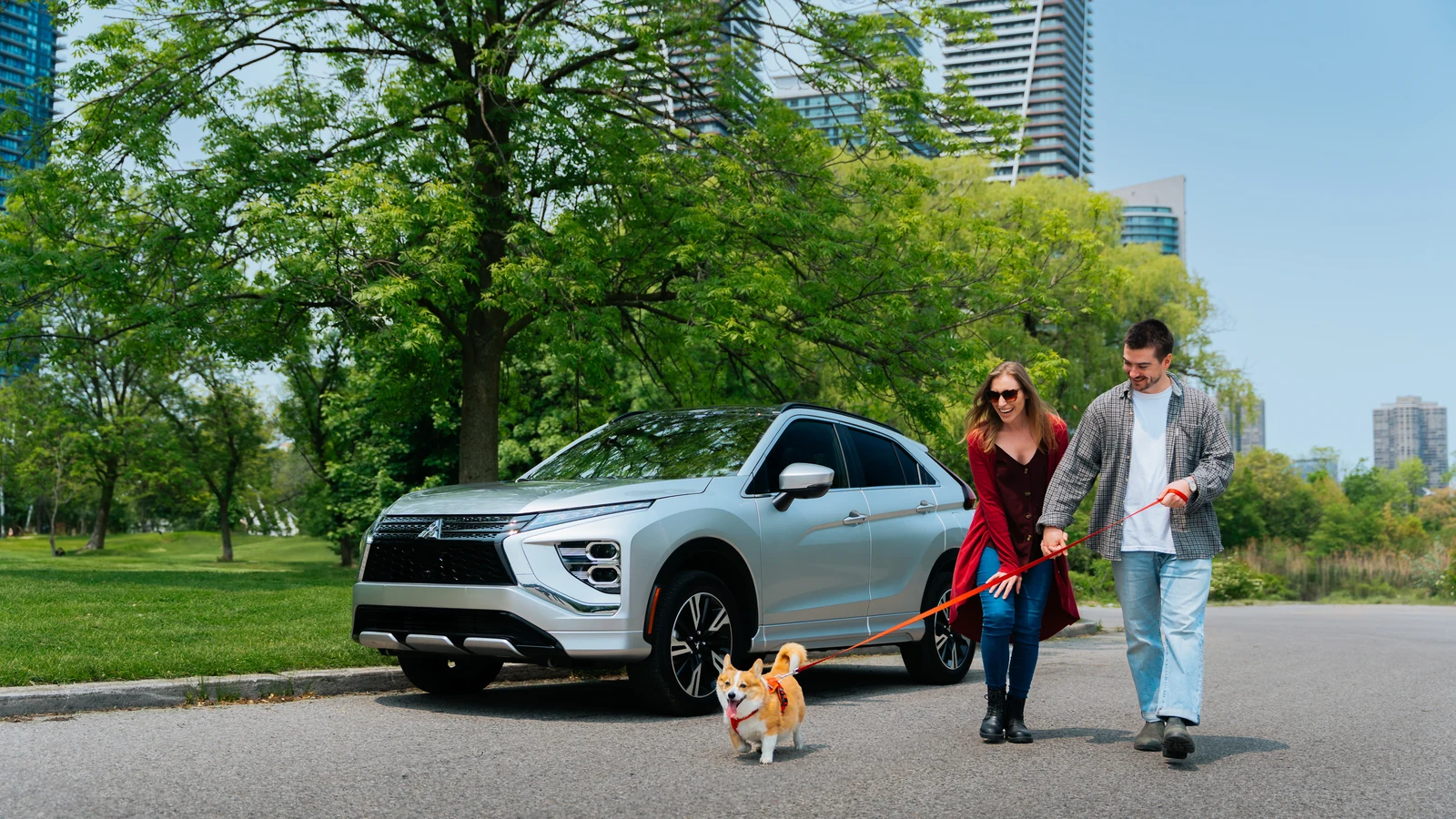
Too tight with five people and the hockey bags? The Outlander, with the third row folded, offers 866 litres: more than 200 more than the Eclipse Cross.
Outlander or Outlander PHEV: your charging decides
Seven seats in a 5+2 layout and standard S-AWC on both. If you often travel with seven, first check access to the third row and the cargo space with all the seats up. The powertrain comes next.
Our verdict. Without regular charging: the Outlander, nothing to plug in and 227 kg more at the hitch. Short trips and charging every day: the PHEV. On long distances between two charges, its electric advantage melts away.
More details in our article on the Outlander PHEV.
The Outlander gets a 1.5 L turbo making 174 hp and 206 lb-ft, backed by a 48-volt mild hybrid system that never plugs in. It uses 8.7 L/100 km and tows 907 kg.
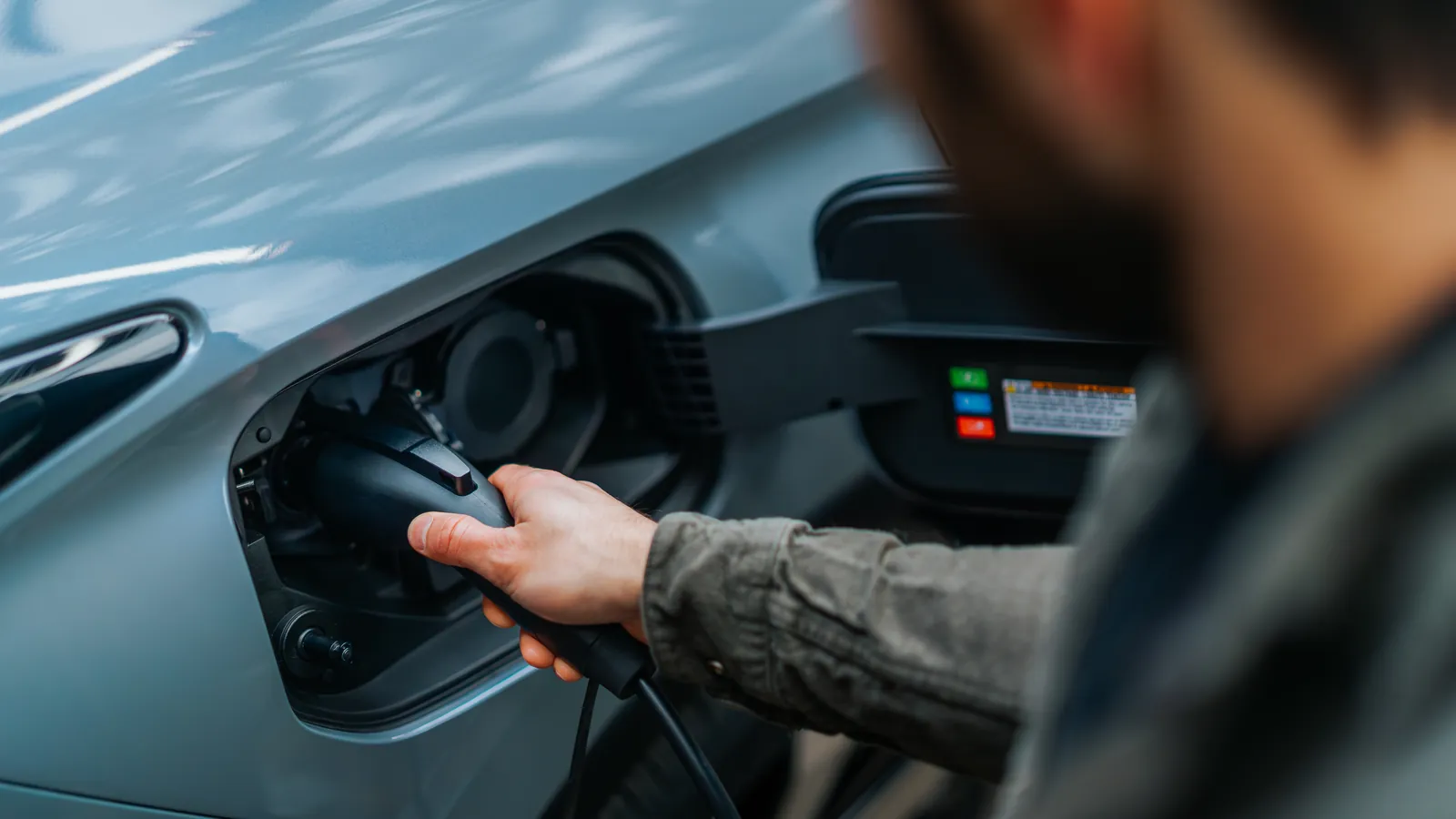
The Outlander PHEV combines a 2.4 L, two electric motors and a 22.7 kWh battery. Natural Resources Canada rates it at 72 km on electricity, then 8.6 L/100 km as a hybrid.
A full charge takes about 16.5 hours on an ordinary 120 V outlet, against 6.5 hours on a 240 V charger. To top up with electricity overnight, 240 V is more practical. On a CHAdeMO fast charger, it reaches 80% in about 29 minutes (PHEV specifications page). It tows 680 kg.
With seven on board, 308 litres remain in the Outlander and 362 in the PHEV: it is on the test drive, with your luggage, that the choice is made.
S-AWC: the rally heritage, useful in the corners
Born in rallying on the Lancer Evolution, as Mitsubishi Canada points out, Super All-Wheel Control (S-AWC) coordinates traction, braking and stability. It sends traction to the wheels with the most grip and brakes a wheel when needed: in a snowy corner, it helps the SUV hold the line you are aiming for. To choose, remember this: the RVR’s All-Wheel Control (AWC) gives you all-wheel drive; the S-AWC on the Eclipse Cross and both Outlanders also manages handling in corners.
The dial offers three modes on the Eclipse Cross (Normal, Snow, Gravel), six on the Outlander and seven on the PHEV, where no driveshaft links the axles: each one has its own electric motor. To compare with the network’s other brands, see our guide to all-wheel drive for winter.
The same warranty for all four
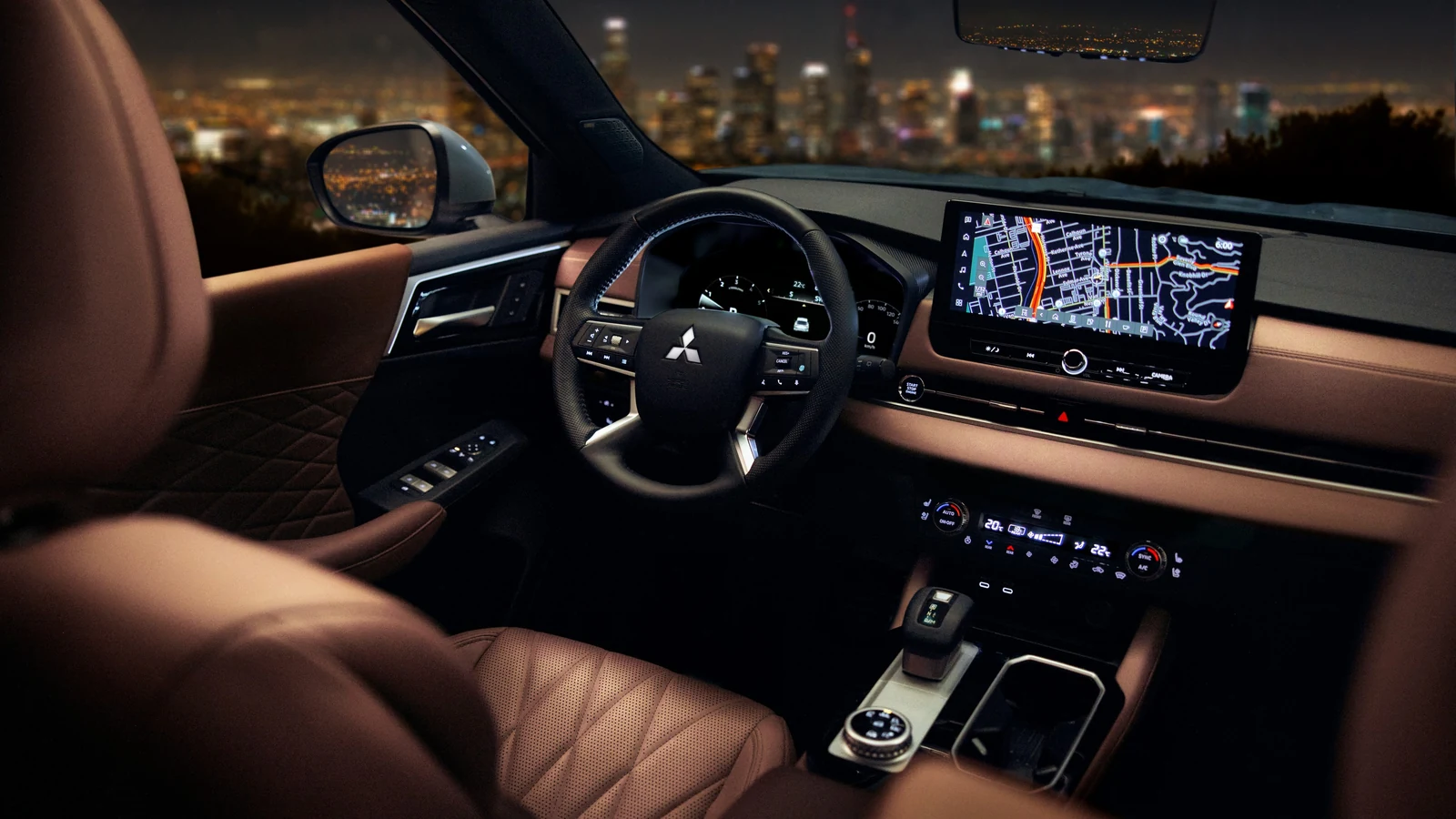
All four have the same Mitsubishi Canada warranty: 10 years or 160,000 km on the powertrain, 5 years or 100,000 km on the vehicle and 5 years of roadside assistance with no kilometre limit. The PHEV’s battery is covered for 10 years or 160,000 km.
Frequently asked questions
2027 RVR: what’s new?
The engines and the cargo space stay the same: Mitsubishi Canada lists the 2027 RVR with the 148 and 168 hp engines, 614 litres of cargo space and six trims, from the front-wheel-drive ES to the GT AWC.
Can the PHEV recharge its battery while driving?
Yes. Charge Mode uses the gas engine to fill the battery, and it burns gas to do so. It serves to keep electricity for later, for example to arrive in town in electric mode; it does not replace the plug.
Is the Eclipse Cross electric?
No. The Eclipse Cross compared here has a 1.5 L turbo gas engine.
Compare your two finalists
Ask for the price of your two finalists, then test-drive them back to back. For the Outlander, seat the kids in the third row and bring your usual luggage.
Our Mitsubishi dealerships: Granby · Drummondville
Get my priceFR Book my test driveFR Get my trade-in appraisal